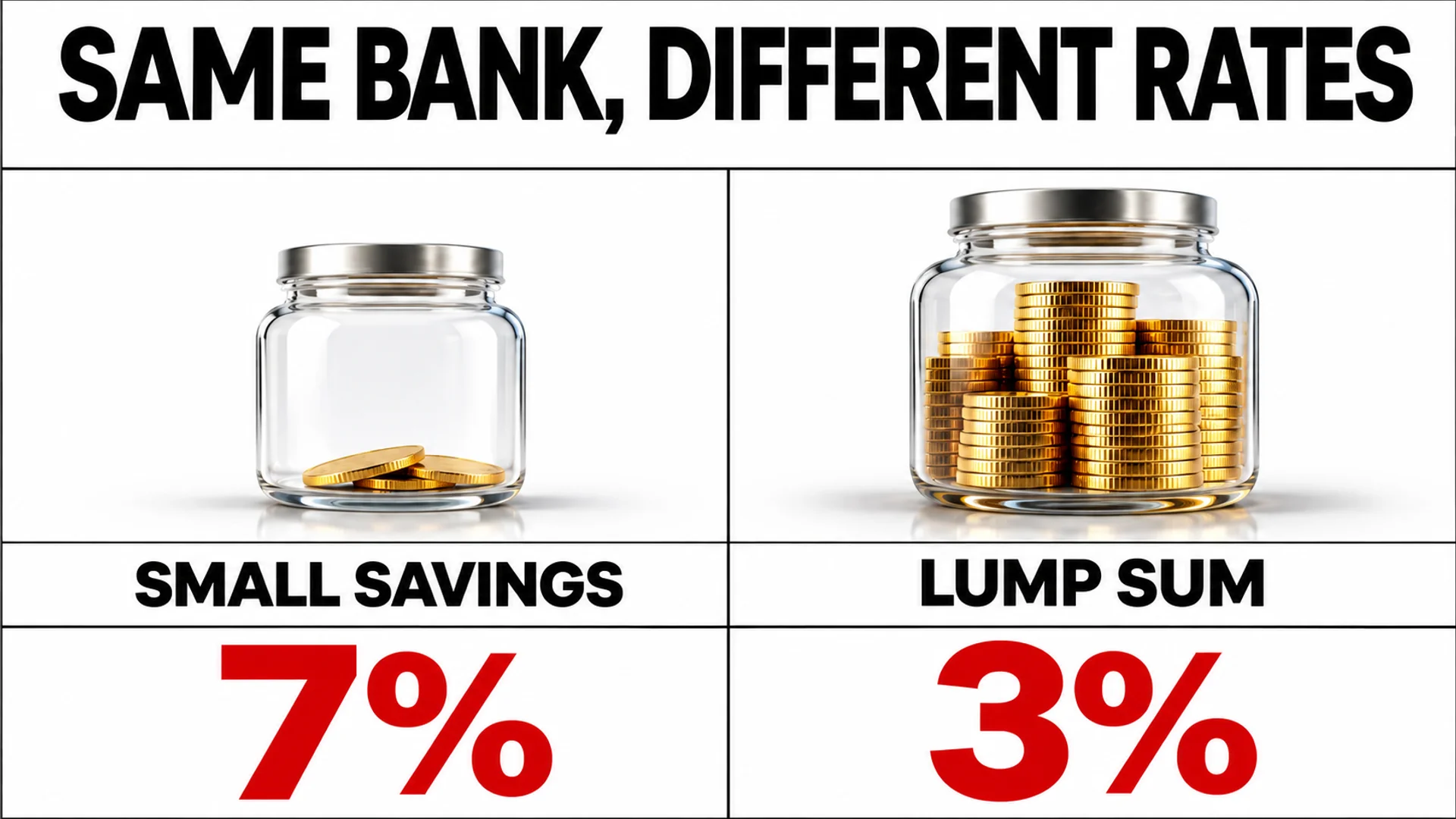
"Interest rates are going down, so should I buy stocks now? Or should I hold onto more cash and wait?"
With recent news of interest rate cuts, many investors are losing sleep. Deposit rates are trending downward while stock market volatility is increasing, leaving many feeling lost about which way to dance.
To get straight to the point, now is a time to move beyond the binary thinking of "cash versus stocks" and instead engage in "strategic asset allocation" to read where the flow of capital is heading. If you read this article to the end, you will gain a compass to guide you through this uncertain market.
Market Uncertainty: Why is it so stressful right now?
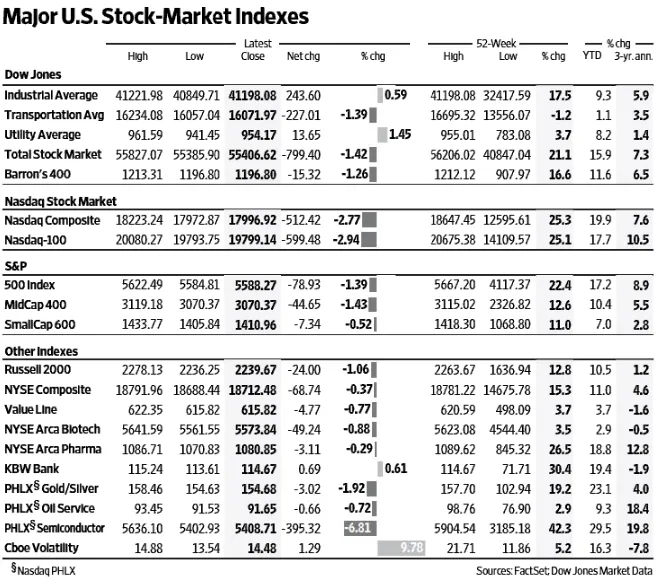
Looking at the recent market feels like riding a rollercoaster. Volatility, where prices climb only to suddenly plunge, has become a daily occurrence. Why is this happening?
The biggest reason is the movement of global capital. In particular, the movement of Japanese government bond yields is unusual. As Japan, which has supplied low-interest capital to the world for a long time, attempts to normalize its policy and raise interest rates, money that was staying in Japan is either returning to its home country or spreading out to other countries with higher yields (including emerging markets like Korea).
These macro changes are the main culprits driving market volatility. When combined with inflation issues, investors find themselves caught between experts shouting "Cash is trash" and cautious voices saying "Wait and see."
A textbook approach—assuming stocks rise simply because interest rates fall—is now dangerous. This is a period that requires sophisticated analysis capable of calculating the sensitivity of interest rate fluctuations to each asset class.
The Two Faces of Interest Rate Cuts: Between Optimism and Caution
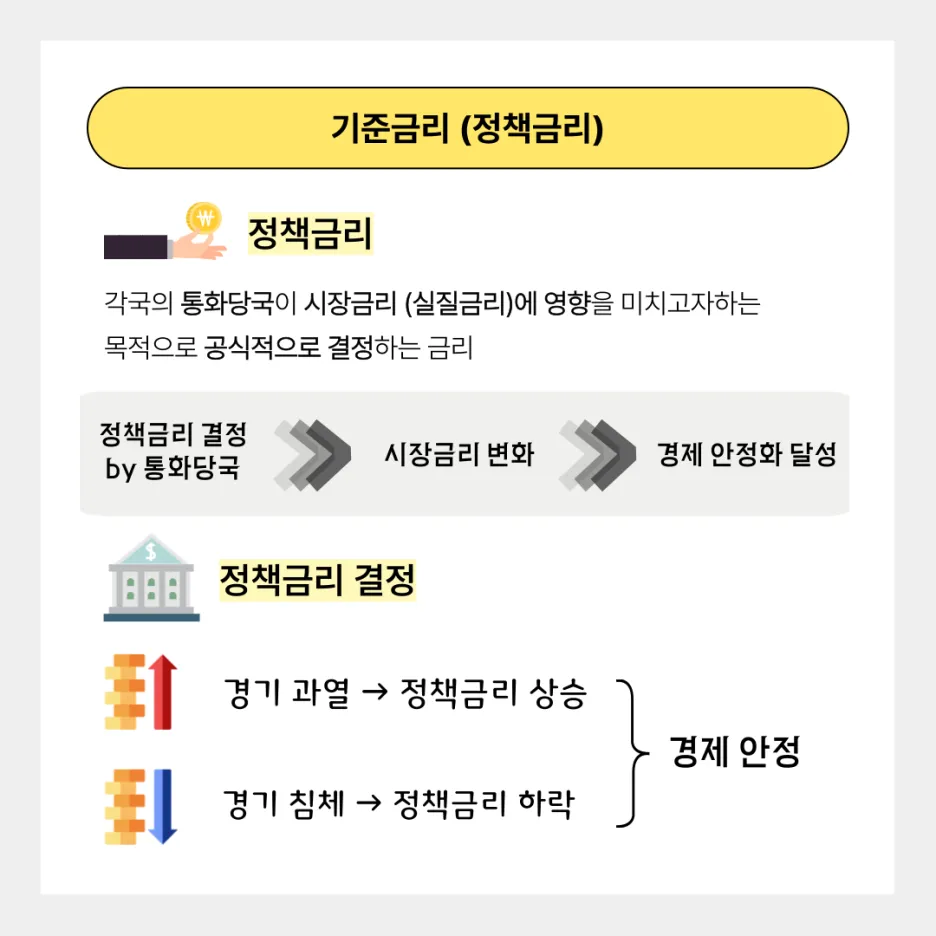
Perspectives on the interest rate cut phase are largely divided into two paths.
1. "Expect a 'Beautiful Landing'"
According to analyses from Kiwoom Securities and iM Securities, there is high expectation for a "soft landing," where the economy avoids recession while inflation is contained. Particularly in the case of the U.S., household consumption and corporate activities remain robust, leading to forecasts that interest rate cuts will play a positive role in supporting moderate economic growth. An optimistic scenario exists where the S&P 500 could reach new highs, driven by factors such as AI technology boosting productivity and a rebound in U.S. manufacturing.
2. "Prepare for Volatility with a Selective Approach"
On the other hand, Samsung Securities and Samsung Asset Management advise a more cautious and clever attitude. The era where all stocks rise just because interest rates fall is over. We are now in an era of "selection and concentration." Instead of blindly riding theme stocks, one must pick stocks with solid fundamentals, such as companies showing tangible improvement in earnings or companies evolving into the "Agentic AI" stage—AI that can judge and execute on its own.
Ultimately, while it is true that a massive wave of interest rate cuts is rolling in, you must decide in advance which boat to board to avoid being swept away.
Is Cash Really 'Trash'? The Core of Strategic Asset Allocation
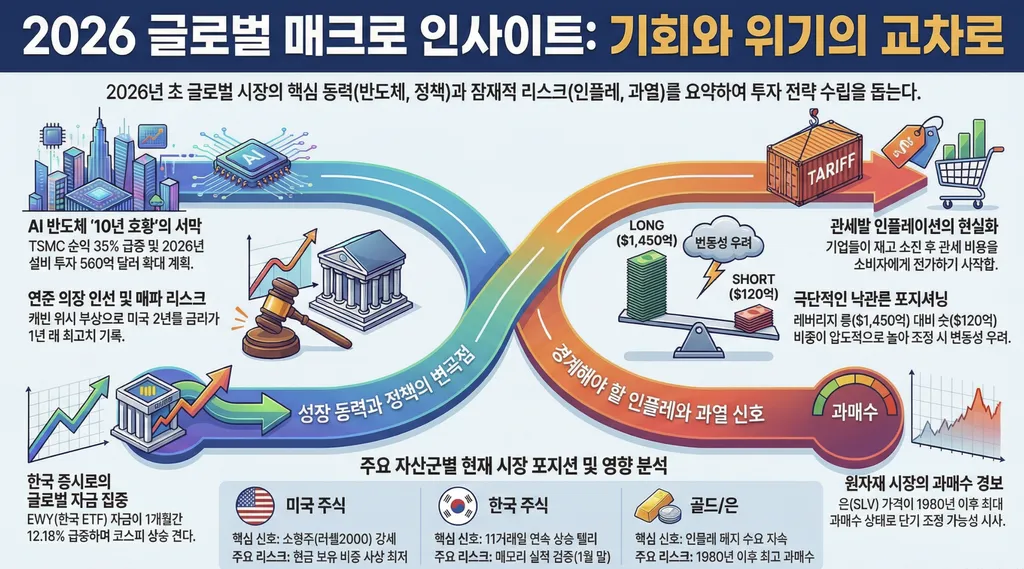
When investment giant Ray Dalio said "Cash is trash," he was warning about the declining value of currency in an era of inflation. This is because as prices rise, the purchasing power of the cash you hold is gradually eroded. However, that does not mean you should pour all your money into stocks.
What we should focus on now is the "reallocation of funds." According to Hana Securities, the money recently exiting bank deposits is not simply sitting idle; it is moving toward MMFs (Money Market Funds) and other vehicles in search of yield. This means investors are not just holding cash, but are maintaining a "ready state" to secure liquidity while simultaneously seeking higher returns.
So, what strategy should we establish?
- Balance Growth Stocks and Value Stocks: You should appropriately mix growth stocks that benefit from interest rate cuts with value stocks backed by solid earnings.
- Select Stocks Based on Earnings: Companies like KCC, SK Chemicals, and OCI, which Samsung Securities highlighted for having facility expansions or certain contract achievements, can have strong momentum during an interest rate cut phase.
- Utilize Alternative Assets: To defend against inflation, it is also wise to include a portion of alternative assets such as gold, silver, or Bitcoin in your portfolio.
If you are considering increasing stock holdings, the key is not to buy the "entire market," but to buy "companies whose profits will definitely increase." Conversely, if you are considering holding cash, instead of simply leaving it in a bank account, you need "strategic waiting"—using MMFs to defend your yield while looking for opportunities.
Conclusion: Is Your Portfolio 'Ready'?
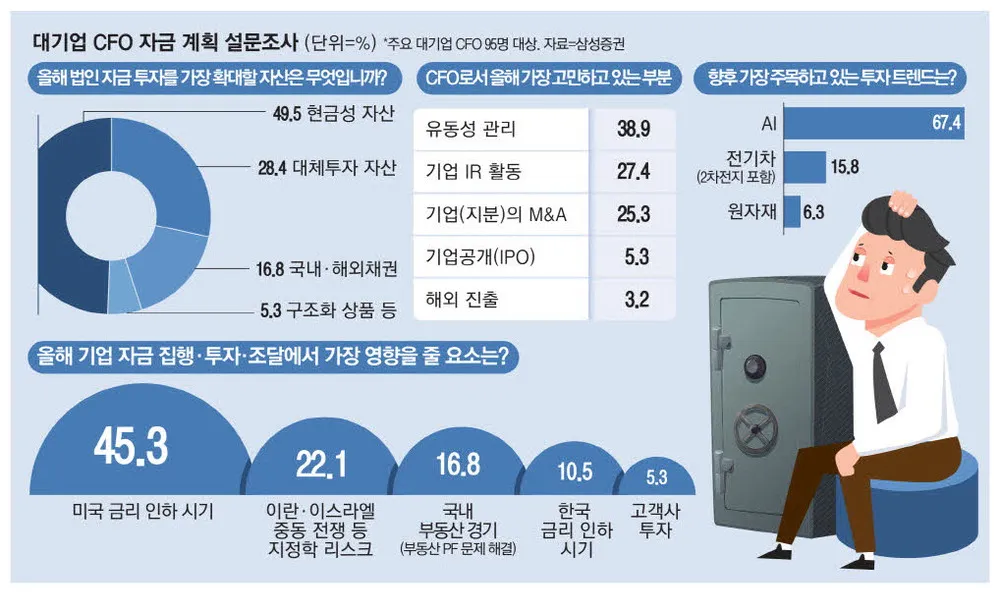
To summarize today's content:
We are at an inflection point where the macro trend of interest rate cuts is beginning. While the market is seeking upward momentum in anticipation of an economic soft landing, macro risks like Japanese interest rate volatility still exist. Therefore, rather than unconditional stock buying or unconditional cash holding, sophisticated diversified investment considering corporate fundamentals and asset classes will determine success or failure.
Instead of being swayed by short-term price fluctuations, focus on the direction in which central banks are turning their policies and whether the companies you own are actually making money. Developing the eye to find "true value" amidst market noise is the most profitable investment.
What preparations are you making right now? Are you considering an aggressive increase in your stock weight, or are you holding cash and waiting for the next opportunity? Please share your strategy in the comments!
References
- 2026 자산배분 전략 - 하나증권 · hanaw.com
- 저금리 시대 전망 및 금융투자업 대응전략 - 자본시장연구원 · kcmi.re.kr
- 한국 주식시장전망과 전략 I 2026년5월 I - 삼성증권 · samsungpop.com
- 2025년 글로벌 연간전망: 뷰티풀 랜딩 - 키움증권 · bbn.kiwoom.com
- 26년 금융시장 전망 - House View & Mega Trend - 삼성자산운용 · samsungfund.com
- 2025년 4분기 전망 - iM증권 · imfnsec.com
- "현금=쓰레기" 인플레 시대, '대가' 조언에 갸우뚱...그럼 어디 투자해요? · mt.co.kr
- 2026 자산배분 전략 - 하나증권 · hanaw.com