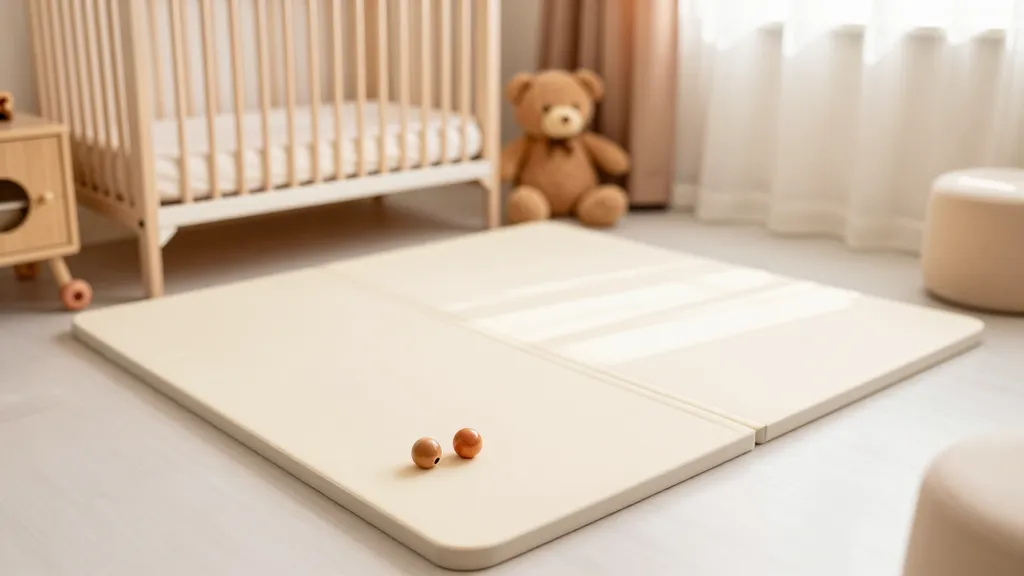
"Are the mats and furniture my child uses truly safe?"
For new parents holding their baby for the first time, this is likely a question they ask themselves every single day. A child's skin is much thinner than an adult's, and because they put everything they touch into their mouths, the living environment we provide is directly linked to their health.
As safety standards have become even more stringent entering 2026, there is an increasing number of cases where parents face disappointment after choosing products based solely on the "eco-friendly" label. In this article, based on the latest expert data and strengthened legal standards, we will provide practical strategies on how to smartly create a non-toxic playroom for your child.
The Hidden Trap of 'Eco-Friendly'
We are often relieved to see the word "Green" or a green label. However, this is where the first caution is needed. Recent studies have revealed that a significant portion of eco-friendly products distributed in the market fall under "Greenwashing," which misleads consumers.
In fact, according to investigations in the US and Canada, more than 95% of products claiming to be eco-friendly fell into the category of greenwashing by providing unclear evidence or ambiguous information. The same applies to South Korea. Although the Ministry of Environment has an Environmental Label Certification system, the number of certified products applied to the clothing, shoes, and household goods we encounter in daily life is smaller than one might think.
In particular, you must verify whether the "non-toxic" advertisement has undergone actual scientific verification. You must clearly distinguish whether it simply means environmental pollution was reduced during the manufacturing process, or if it means the product is harmless to the human body when touched by a child.
Therefore, when choosing a product, do not be fooled by simple marketing terms; instead, develop the habit of checking for officially recognized certification marks and objective ingredient data. It is much wiser to ask "Which ingredients were not detected?" rather than simply believing the term "eco-friendly."
Mats and Furniture: Check the 'Real Name' of the Materials
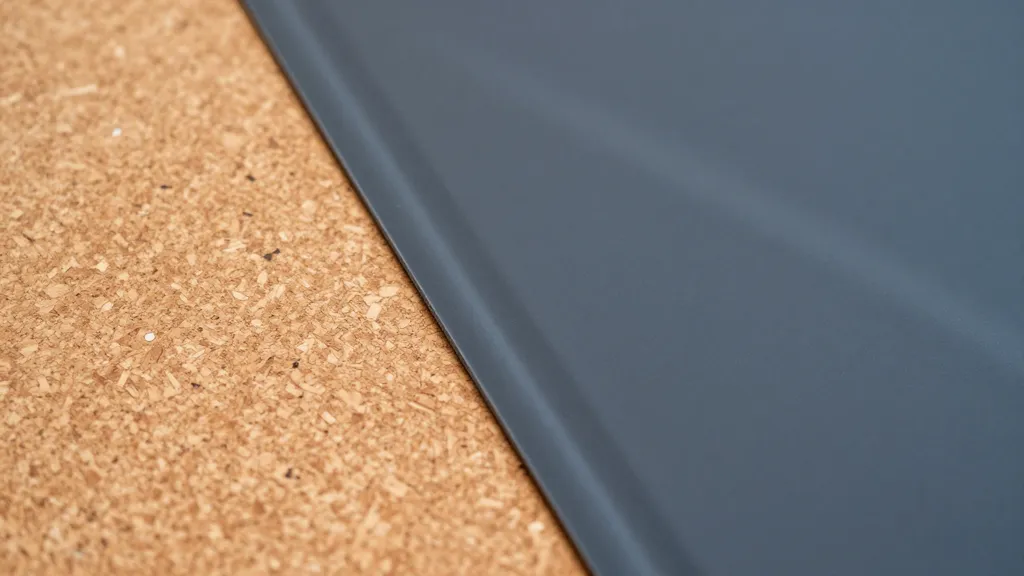
The place where children spend most of their time is the floor. Many parents purchase mats to prevent their children from falling, but what is easily overlooked here is the toxicity of the materials.
The material to be most wary of is PVC (Polyvinyl Chloride). The 'Phthalates' used to increase the flexibility of PVC mats are dangerous substances that go beyond simple skin irritation to disrupt the endocrine system. In particular, if pregnant women or infants are exposed to these substances, it can have negative effects on fetal developmental toxicity or neurological development, necessitating extreme caution.
When choosing a mat, you must now ensure it is a Non-PVC product. Products using natural rubber, cork, or specially processed safe materials serve as much safer alternatives.
The same applies to furniture. The key to determining a piece of furniture's lifespan is the chemical substances contained in the wood and adhesives. Here, we encounter the terms E0 and E1 grades.
Furniture grades are divided by the amount of formaldehyde emission. Generally, it is known that E1 grade or higher is usable, but if it is a space for a child, the story is different. Considering the strengthened safety standards of 2026, selecting eco-friendly furniture of E0 grade or higher, which has extremely low formaldehyde emissions, is the absolute basic step in completing a non-toxic playroom.
Between Fire Prevention and Health: How to Make a Balanced Choice

When decorating a child's space, you may encounter an unexpected obstacle: flame-retardant materials. As policies emphasizing flame-retardant performance for building safety have strengthened recently, flame retardants are increasingly used as a necessity in furniture and insulation.
This leads parents to a dilemma: "Isn't it safer if it doesn't burn easily?" Yes, it is certainly important from a fire prevention perspective. However, the problem lies in 'organophosphorus flame retardants,' the chemical substances used to create them.
According to some studies, certain flame retardant components are known to cause hormonal imbalances or brain development disorders. In other words, one must find a sophisticated balance between safety from fire (flammability resistance) and safety of indoor air quality (eco-friendliness).
Therefore, when choosing furniture or wallpaper for a child's room, rather than simply believing the claim "it doesn't burn easily," you should simultaneously check whether the product avoids harmful flame retardants (e.g., brominated flame retardants) and whether the formaldehyde emission is below the standard limit. As the government and related agencies are moving toward precisely evaluating the biological toxicity of such harmful substances, it is wise to keep an eye on these latest certification trends.
5 Practical Checklists for Our Home Playroom
Based on the complex information reviewed above, here is a summary of the 5-step strategy for decorating a non-toxic playroom that you can apply to your home right now.
-
Prioritize checking the mat material Make sure it is a Non-PVC product. Only mats using natural materials or certified safe materials can protect a child's respiratory system and skin.
-
Furniture grade must be 'E0' or higher When purchasing furniture, always ask the seller, "Is this E0 grade?" Formaldehyde can be fatal to children's immunity.
-
Question the truth of 'eco-friendly' labels Do not feel relieved just because there is a green logo. Develop the habit of checking if it has received national certification (such as Environmental Label Certification) and if there are specific ingredient detection results.
-
Check the flame retardant ingredients If flame-retardant materials are used for fire prevention, you must check if they contain harmful chemicals (such as brominated ones). Finding the balance between safety and health is key.
-
Utilize professional installation and maintenance If wooden doors or furniture in your home are damaged due to moisture, do not use just any paint. Recently, many premium eco-friendly paints have been released that offer good moisture resistance with almost no odor. It is also a good idea to restore them using eco-friendly materials with professional help.
The First Step Toward Healthy Growth
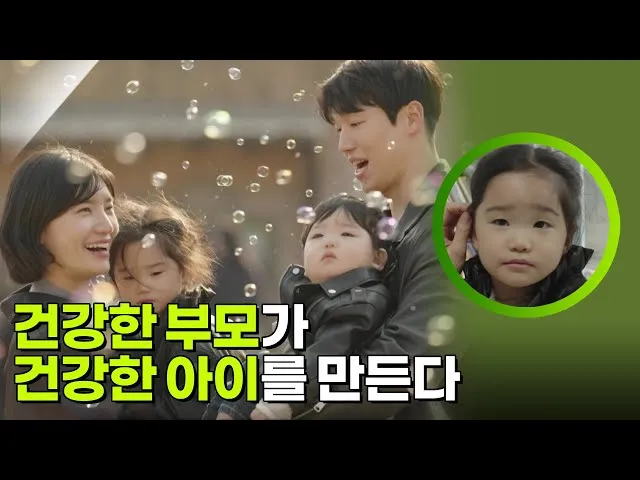
Creating a space for a child is more than just arranging pretty furniture. It is the most important environmental investment that determines a child's early-life health.
As we have seen today, the mats or furniture we choose carelessly can either be a poison to the child or a sturdy shield. In the environment of 2026, where regulations are tightening and information is overflowing, the greatest weapons parents can possess are a 'critical eye' and 'thorough ingredient verification.'
At first, terms like E0 grade or Non-PVC may feel unfamiliar and difficult. However, by the time you become accustomed to these standards, you will have gifted your child the safest little universe in the world.
What is the most difficult part of decorating your playroom? Please share your experiences or questions in the comments! By thinking together, we can create a safer environment.
What are your thoughts?
References
- 어린이집·유치원의 안전성 확보를 위한 공간환경 조성 방안 · repo.kicce.re.kr
- 친환경 가구가 인기인 이유와 E0, E1 등급의 의미 매거진 - AGAPEGAGU · agapegagu.com
- ESG Q&A(1) : 친환경제품, 믿을 만한가? - 네이버 블로그 · m.blog.naver.com
- 물 먹은 화장실 나무문 노루페인트 팬톤프리미엄 페인트로 시공 ... · instagram.com
- 아기 매트 소재별 유해성 총정리. Non-PVC등 안심 소재는! - Naver Blog · blog.naver.com
- 유독물질 나오는 난연제 권장하는 대한민국 국민 건강 위협 한다 · kienews.com
- 환경표지 인체접촉제품군 인증기준 검증강화 방안 마련(Ⅱ) 연구용역 ... · keiti.re.kr
- 소비자제품안전규제 개선방안 연구 - 한국소비자원 · kca.go.kr