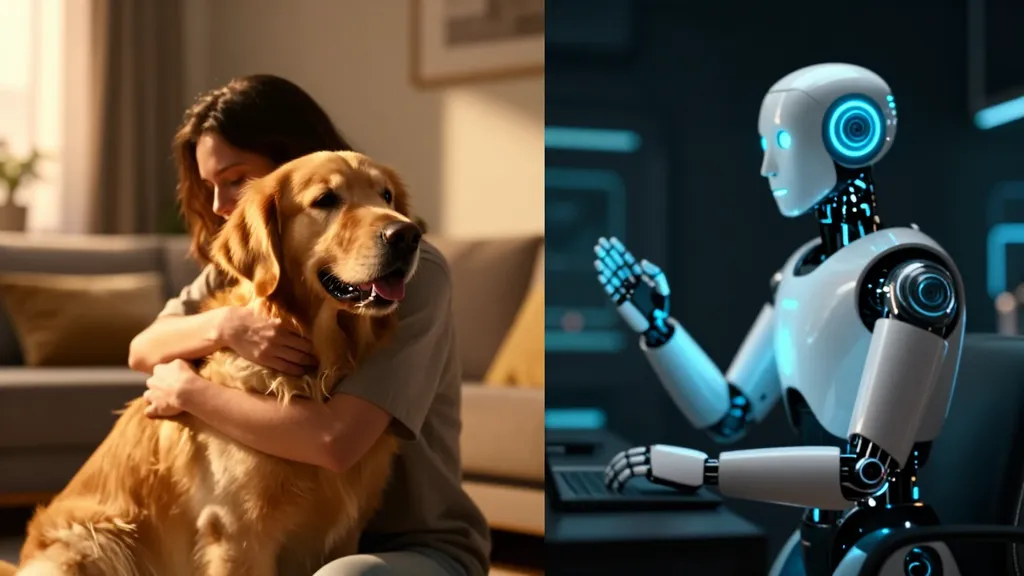
In an era where loneliness has become part of daily life, we long for someone's warmth. But have you ever wondered whether that subject should be a living, breathing puppy or an AI robot that perfectly understands your words?
With recent technological advancements, AI reading and responding to human emotions is no longer just a story in movies. Services like ChatGPT or Replika provide us with emotional solace, and even companion robots like 'Luna' attempt to fill the void left by pets by even going for walks with us.
Can we truly form a deep bond with machines, similar to the one we share with living beings? Today, we will delve deeply into the emotional connection between AI dogs and real dogs through scientific evidence and the latest technological trends.
The Warmth of Life: The Bond with a Dog That the Brain Remembers
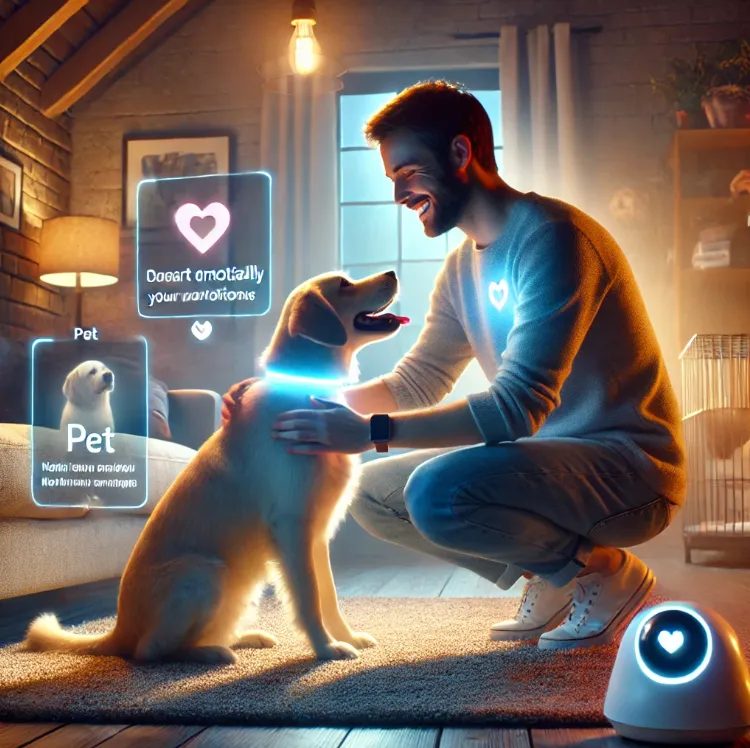
The touching emotion we feel when we pet a dog is not just in our heads. It is the result of a very sophisticated biological chemical reaction occurring within our bodies.
According to research from the South African Life Sciences Institute, amazing changes occur in our brains when humans and dogs interact. When hugging or making eye contact with a dog, levels of hormones such as Oxytocin, Dopamine, and -endorphin surge in both humans and dogs.
Oxytocin is often called the 'love hormone' and is the substance released when forming bonds between a mother and her child. As this hormone is secreted, we form a deep relationship of trust with the dog. Additionally, as levels of Cortisol, the stress hormone, decrease, we achieve emotional stability.
What is particularly interesting is that this interaction is not limited to humans. Dogs also gain physiological stability as their dopamine and prolactin levels rise through interaction with humans. In other words, interacting with a pet is not a one-sided service, but a reciprocal healing process where two living beings change each other's brains.
In fact, research by the Korean Society of Industrial Technology has scientifically proven that interaction with a pet dog lowers depression in the elderly and improves their quality of life. Physical contact, such as walking and brushing their fur, serves as a powerful non-pharmacological treatment beyond simple pleasure.
Digital Companions: The Perfect Emotional Tailored Service Provided by AI
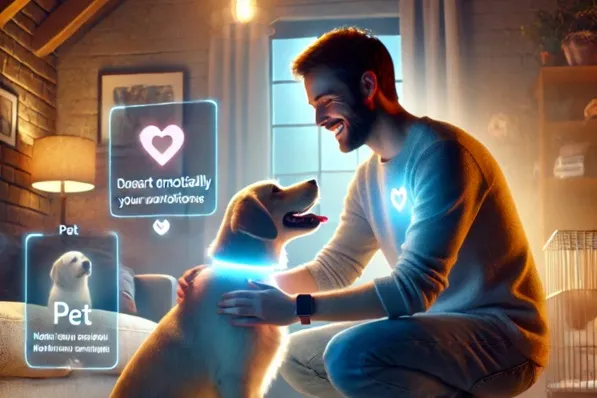
If so, can AI not catch up to this powerful biological connection? Recently emerged companion robots are evolving in very clever ways to target human loneliness.
The greatest charm of an AI dog lies in its 'predictability' and 'ease of management.' To raise a real puppy, one must deal with potty training, walks, feeding, and above all, the sad parting known as 'death' (Pet Loss Syndrome). However, AI robots are different.
Models such as China's 'Luna' or Japan's robot for dementia patients, 'Paro,' are equipped with advanced language models like ChatGPT, allowing them to recognize user emotions and display over 1,000 different facial expressions. If a user speaks in a sad voice, the AI responds with words of comfort.
The point to note here is the 'efficiency of connection.' AI does not get tired. It listens to my stories 24 hours a day and responds in the way I want. While a real dog might bark or cause trouble regardless of my mood, AI provides a strictly user-centered, customized connection.
Particularly in super-aging societies, AI becomes an excellent alternative for the elderly with dementia or those experiencing social isolation. This is because, like robots such as 'Hyodol' that remind users to take medication, they can provide both emotional support and practical help simultaneously. From a technical standpoint, interaction with AI can be defined as 'optimized comfort based on data.'
The Essence of Connection: Is it Identity, or the Emotion I Feel?
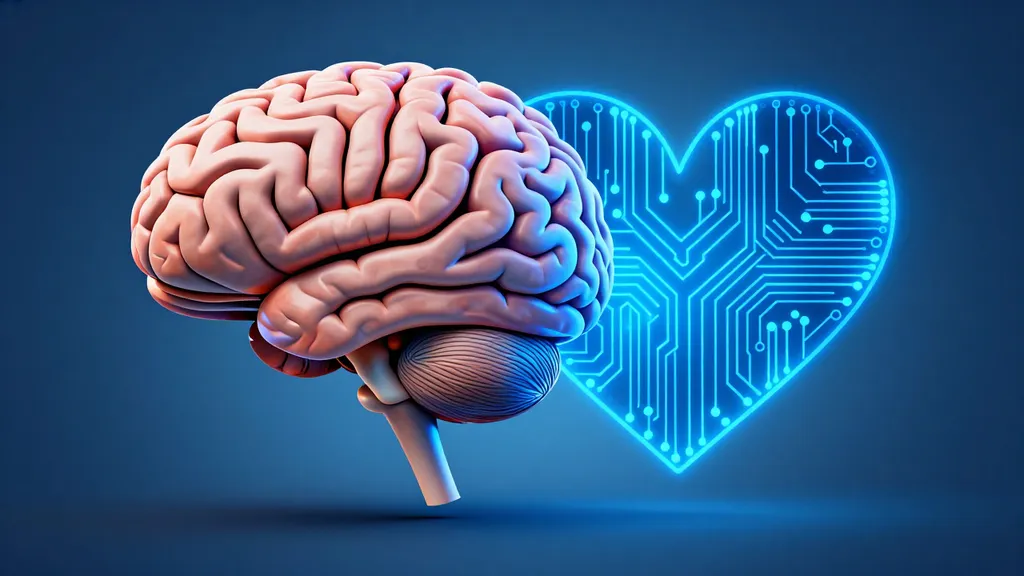
Now, let's return to the most central question: "With whom can we form a deeper bond, an AI or a dog?"
To answer this, we must redefine 'connection.' If we define connection as 'changes in biological hormones and physical contact,' then naturally, the real dog is overwhelmingly superior. The vivid feeling of oxytocin surging and heart rates stabilizing is an area that an AI made of silicon and circuits finds difficult to imitate.
However, if we define connection as 'the emotional fulfillment I feel,' the story changes. As technology researcher Kim Jae-kyung suggests, what is more important than who the object of connection is, is "what I feel."
For some, a conversation with an AI chatbot that perfectly reads their mind can provide much deeper comfort than a real puppy that doesn't listen. While some feel a sense of emptiness when they realize the counterpart is a machine, others find they can pour out their emotions freely thanks to the AI being a 'safe presence' that allows them to escape the stress of human relationships.
There are several realistic limitations and considerations here:
- Limitations of AI: AI is ultimately at the stage of 'simulation,' predicting and providing the responses humans want. There is a risk that it may end up as 'self-projection,' much like looking into a mirror, rather than a meeting with a being that possesses a true self.
- Limitations of Real Dogs: Living beings come with management costs and responsibilities. Furthermore, as technology advances and the price of AI robots gradually decreases while ease of management increases, the position of 'real dogs' may become even more precarious.
- Ethical/Security Issues: AI robots collect the user's daily data. While this provides convenience, it simultaneously poses serious security issues regarding personal information leakage.
Ultimately, we must bridge this gap through our 'ability to be human.' What is required of humans in the AI era is not simple data processing, but a humanistic sensibility to enjoy ambiguity and connect deeply with the world. We should utilize AI as a tool, but we must also be able to ask questions that seek the 'true meaning of life' without being submerged in the convenience that technology provides.
Conclusion: What Kind of 'Connection' Do You Need?

In conclusion, whether the bond with an AI dog or a real dog is deeper depends on the user's situation and purpose.
Interaction with a living being provides biological healing that directly changes our bodies and brains. On the other hand, interaction with AI provides emotional optimization and convenience perfectly tailored to an individual's needs.
The important thing is not the dichotomous debate of whether AI will replace humans. As technology becomes more advanced, we must possess the wisdom to judge and choose for ourselves, "What kind of connection do I need right now?"
Sometimes, we may need the rugged connection of running with a puppy while stepping on the soil, and sometimes, we may need the calm conversation shared with an AI during a quiet night.
What fills your heart most warmly? The warmth of a living being, or the digital comfort of something that understands you perfectly?
Please share your thoughts in the comments!
References
- 사람과 인공지능의 교감, 사람과 사람의 교감만큼 깊을 수 있을까? · campaigns.do
- 세상과 깊게 교감할 수 있는가? - AI 시대 누가 미래를 이끄는가 · wikidocs.net
- '아이보' 로봇의 장례식을 통해 본 AI 로봇 상용화 시 고려할 점 · sktenterprise.com
- 인간은 로봇과 감정을 공유할 수 있을까? · blog.naver.com
- 반려동물 대신 반려로봇… 대화 나누고 산책도 같이 · v.daum.net
- 반려견과의 교감을 활용한 동물교감치유 프로그램이 활동적 ... · kci.go.kr
- 인간과 애완 동물 (개)의 관계에 대한 상호작용 연구 · m.blog.naver.com
- 칼럼 - 또 하나의 가족, 반려동물과 정신건강 · mentalhealth.go.kr