"Wow, isn't this a real Ghibli animation?"
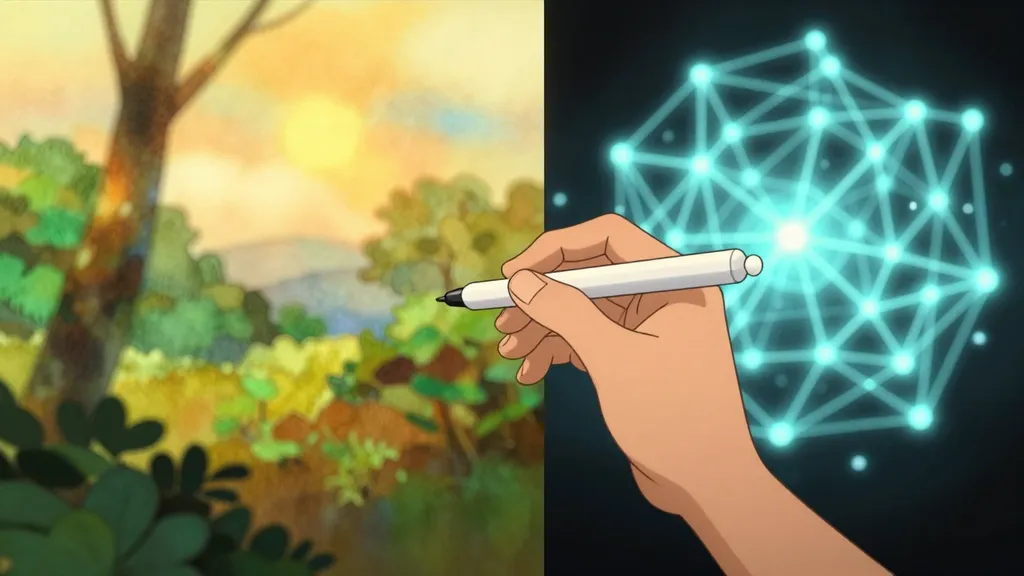
Recently, when scrolling through KakaoTalk or Instagram, we frequently encounter images that elicit such exclamations. This is because simply inputting a few lines of text can result in imagery that perfectly reproduces the warm colors and ink-wash-like backgrounds characteristic of Studio Ghibli.
To get straight to the point, the current craze for 'AI animation' is more than just a technological wonder; it is a precursor to a massive storm that is shaking the very definition of creativity and the boundaries of copyright.
Technology has already reached a level where it can 'replicate' human styles. Paradoxically, however, the more perfectly a style is replicated, the more we must ask why the unique touch of a human artist is so desperately needed, and where the limits of legal and ethical responsibility lie.
The Ghibli Shock: Imitation of Style or Expansion of Creativity?
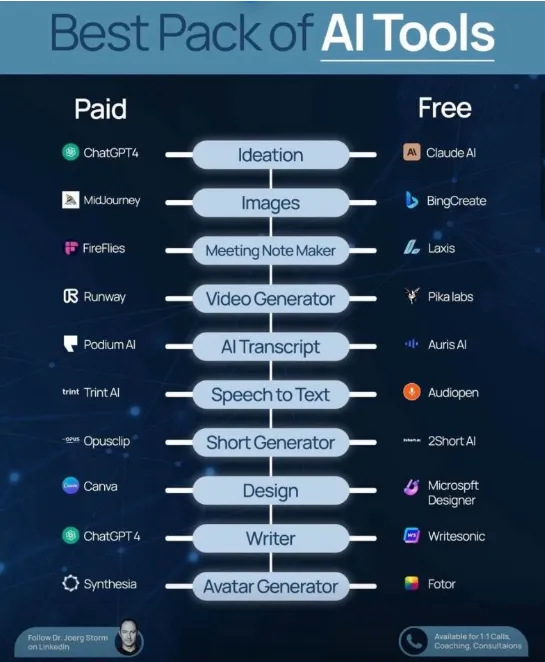
As of 2026, the term 'Ghibli Shock' has emerged within the content industry to describe this phenomenon. This is because generative AI, such as ChatGPT, learns from vast amounts of data to implement the worldviews of director Hayao Miyazaki with startling accuracy.
Here, we must pose a very sharp question: Is the act of creating an image simply by inputting a prompt like "Ghibli style" truly an act of free creation?
Although copyright law operates on the principle of protecting specific 'expressions' rather than 'styles' themselves, the problem is that the boundary is extremely blurry. If an AI excessively learns the original character proportions, background details, and unique directing techniques of a specific studio to produce a result, there is a high risk that this could be considered a reproduction of the original work or a derivative work, rather than mere inspiration.
In fact, Director Hayao Miyazaki has expressed strong rejection toward AI animation, calling it an "insult to life itself." This represents the instinctive fear of creators regarding technology substituting 'style'—which contains human soul and philosophy—with a combination of data.
Netflix's Decision and the Emergence of AI Studios
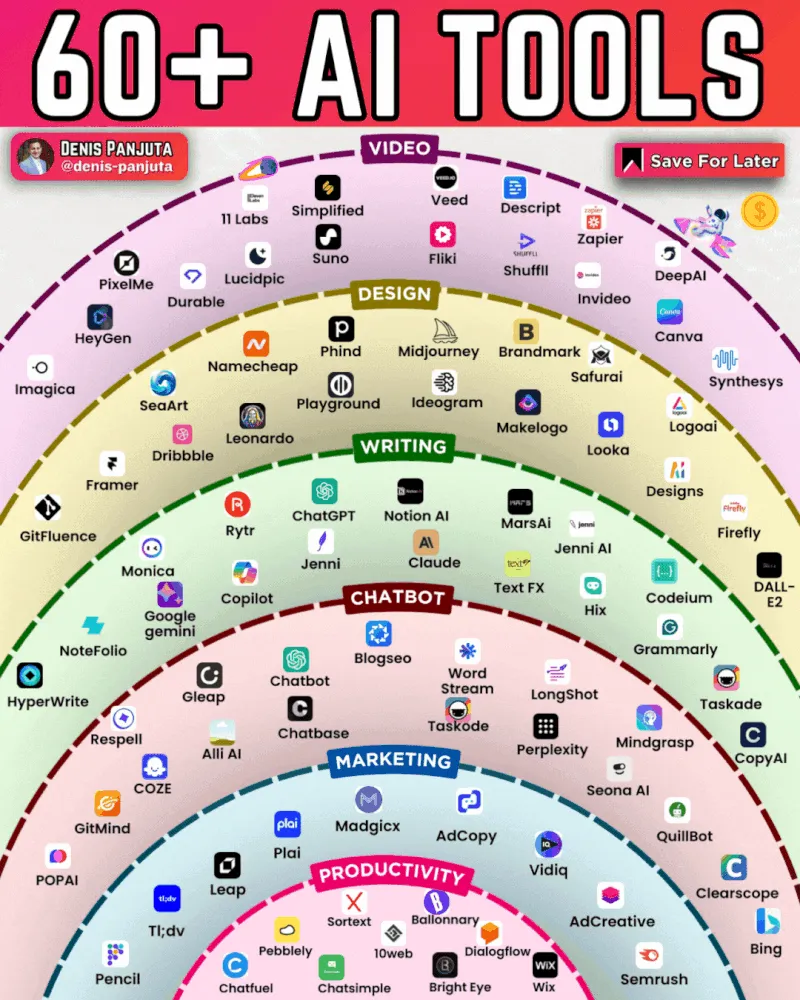
The flow of technology does not stop. As of May 2026, the global content giant Netflix is making a very radical move. News has surfaced that they are pursuing a strategy to compose their in-house animation production studio entirely of AI.
This attempt to minimize human artist intervention and produce animation through pure AI algorithms is evaluated as an innovative model that can push the productivity of the content industry to its limit and drastically reduce labor costs.
However, at this point, we must look at the shadow hidden behind the name of 'efficiency.' When a massive corporation like Netflix begins to churn out content through AI, the skilled techniques and unique sensibilities of human artists accumulated over decades may lose their place.
What are we forgetting in this technology-centered modern society? As the question posed by Antiegg suggests, we must deeply reflect on whether we are becoming so immersed in the speed of technological development that we are losing the essence of 'human agency.'
2026: Changed Legal Rules and the Importance of 'Creation Logs'
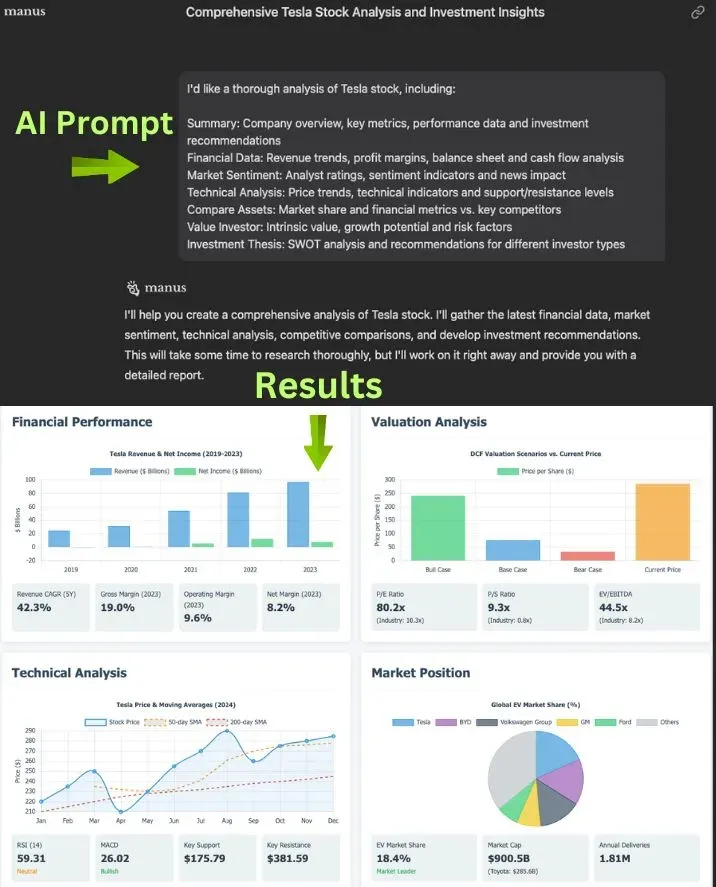
Amidst this chaotic situation, laws and institutions are moving quickly. The strengthened regulations being implemented from 2026 onwards no longer view AI-generated content merely as 'interesting pictures.'
The biggest change is the 'Mandatory Labeling of AI-Generated Content.' Now, when uploading AI videos to YouTube or Instagram that could be mistaken for reality, you must include a watermark indicating it is an 'AI-generated product.' Failure to comply will result in actual legal sanctions, such as fines of up to 30 million KRW.
Furthermore, the conditions for receiving copyright protection have become more stringent. You cannot hold a copyright based solely on a prompt like "Draw this in Ghibli style."
The key is 'substantial human contribution'.
If you use AI as a tool to set the composition and then elaborately modify the generated image or add layers, you can claim copyright for that 'contributory modification.' To prove this, you must maintain a 'Creation Log,' which includes everything from your prompt input history to the step-by-step work process of your modifications. Data has now become more than just a result; it has become legal evidence that proves human effort.
Nevertheless, Why is the Human Touch Still Needed?
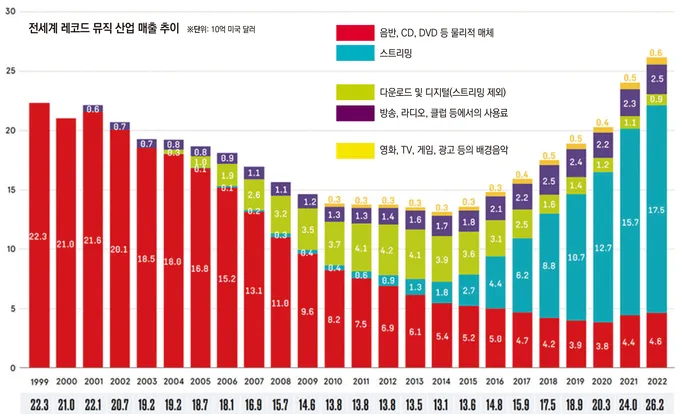
No matter how much technology advances and how perfectly AI mimics human style, there is a realm we can never abandon. That is 'intended imperfection' and 'contextual narrative'.
AI calculates the statistical probability of data to create the 'most plausible' image. However, a human artist sometimes breaks the rules, sometimes intentionally twists them, and creates that 'decisive touch' that moves the audience's heart.
The reason Ghibli animations move us is not simply because the colors are beautiful. It is because we can feel the reverence for life contained within the backgrounds and the philosophical agony within every movement of the characters. AI can draw in a 'Ghibli style,' but it cannot learn and implement the 'reverence for life' that Hayao Miyazaki felt through data.
Ultimately, AI should not be an entity that replaces human creativity, but rather 'the most advanced brush' that realizes human imagination into reality. True technological advancement will be completed when technology does not take away human agency, but exists as a partner that helps humans conceive even greater imaginations.
In Summary: Balancing Technology and Humanity
Today, we have looked into the copyright controversies, technological changes, and evolving legal guidelines brought about by AI animation.
- The Danger of Style Imitation: AI excessively learning a specific artist's original style carries a high possibility of copyright infringement.
- Legal Response and Responsibility: As of 2026, labeling AI-generated content is mandatory, and copyright protection can only be granted if there is specific human contributory modification.
- The Value of Humans: While technology can increase productivity, it is ultimately human philosophy and intention that breathe life into a work.
Technology is an unstoppable flow. However, to ensure we do not lose our way within that flow, we must constantly examine our 'ethical attitude' and 'creative agency' in using technology.
What do you think? Which are you more drawn to: a perfect Ghibli-style image drawn by AI, or a flawed image where the artist's struggle can be felt?
Please share your thoughts in the comments!
References
- '누가 봐도 지브리잖아'…카톡 사진, 저작권 괜찮을까[AI오답노트] · view.asiae.co.kr
- | 첨단 기술이 잊어버린 것에 대하여 진정한 발전을 위하여 ... - Instagram · instagram.com
- [분석] 챗GPT發 '지브리 쇼크', AI 그림 저작권 논쟁 격화... 창작의 자유 ... · ipmaxlaw.com
- 5월 3주차 AI 주요뉴스 모음.zip 이번 주 요약 1. 넷플릭스 AI 스튜디오 · instagram.com
- 생성형 AI 저작권은 어디까지 인정되나: 2026년 각국 규제와 데이터 ... · koreabizreview.com
- AI 창작물 저작권 인정 불가...수익 배분 둘러싼 법적 공방 가속화 · newskorea.ne.kr
- 2026년 강화된 'AI 생성 콘텐츠' 표기 의무 및 저작권 가이드 · hedeos81.tistory.com
- 인공지능 그림 저작권 논란과 2026 저작권법 개정안 - TILNOTE · tilnote.io