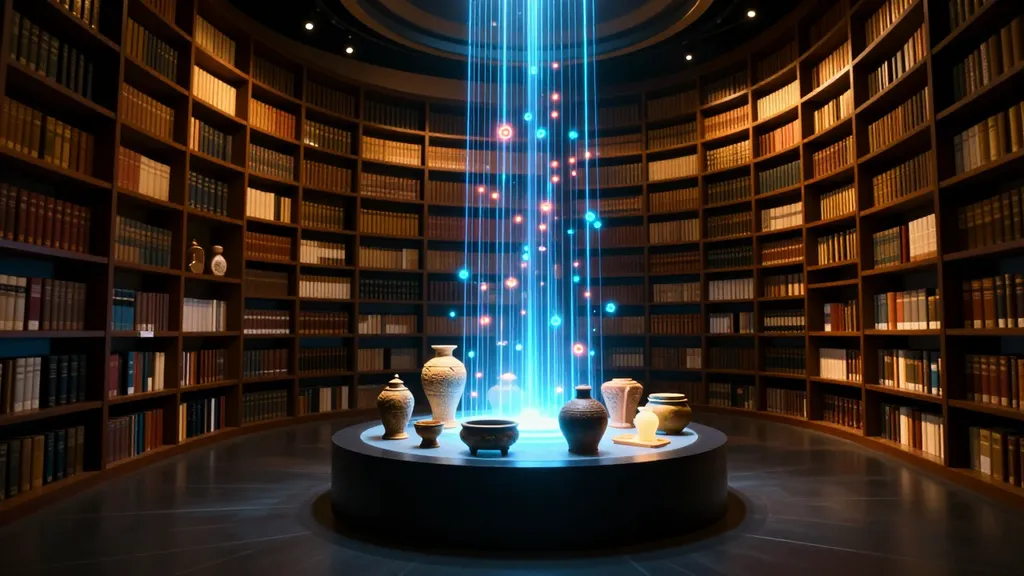
What if the digital footprints we carelessly leave behind today turn out to be nothing more than unreadable, broken fragments of data to our descendants 100 years from now?
Even at this very moment, data is exploding, yet the method to fully preserve and transmit the "breath of history" contained within that data remains a massive challenge. In the year 2026, we are moving past the era of simple storage and standing on the threshold of "Intelligent Archives" combined with AI and Cloud technology.
Today, I would like to share an in-depth discussion about the AI Archive—not merely a warehouse for stacking records, but a living organism that connects the past and the future.
1. Vanishing Memories: Why 'Digital Preservation' is Urgent Now
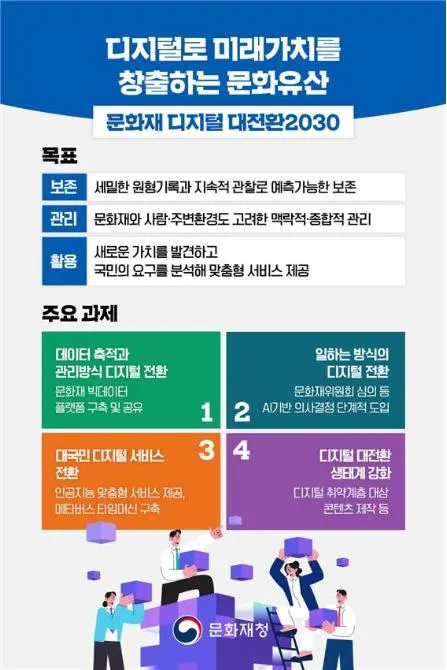
Records are the memories of an era and the evidence of history. As Curator Eun-hye Cho of the National Archives of Korea emphasized, protecting records is equivalent to protecting our past.
Ironically, however, we live in an era where we have more records than ever before, yet we simultaneously live in the most vulnerable era for record-keeping. While paper documents fade and decay over time, digital data can instantaneously become "unreadable trash" once the lifespan of the storage medium ends or the file format becomes obsolete.
For instance, what if the latest document formats we use in 2026 cannot be opened in the computing environment 50 years from now? This is precisely why we must move beyond simply "copying" data and intensely contemplate strategies such as Migration to respond to changes in the technical environment and Emulation to implement virtual environments.
Preserving records is not simply a technique for repairing old paper. It is a highly meticulous and sophisticated task that must maintain data integrity while conveying the original context.
2. Korea vs. Japan: Two Paths for Electronic Record Management Strategies
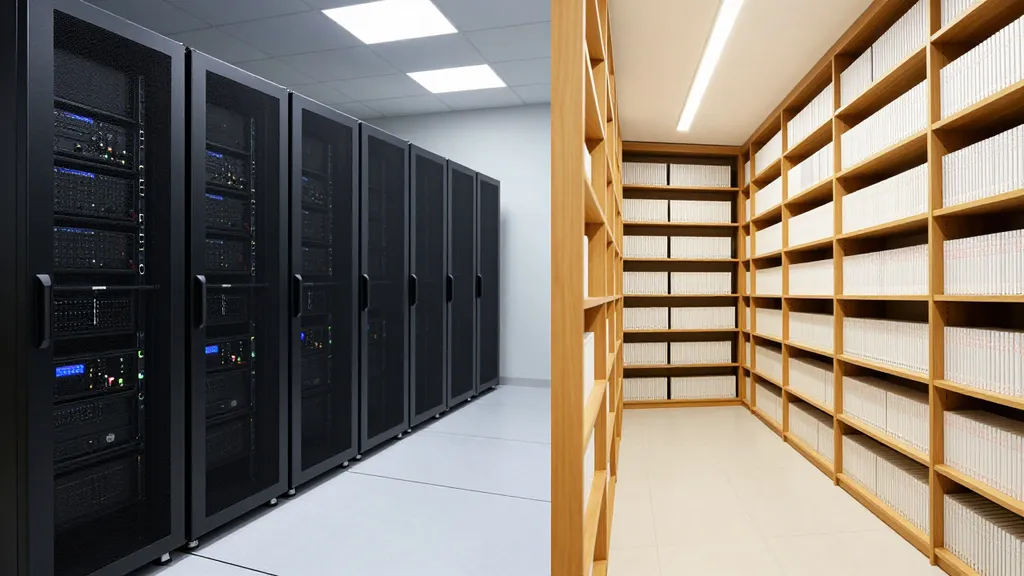
National-level record management is directly linked to a country's administrative credibility. According to recently published research, Korea and Japan are taking different, yet complementary, strategies for record management in the digital age.
Korea emphasizes flexibility and scalability. By actively adopting cloud computing technology, Korea is striving to manage vast amounts of electronic records in an integrated manner without the constraints of physical space. Cloud-based systems possess immense strengths in terms of real-time accessibility and data backup. The core lies in building an infrastructure where the public and private sectors can share and utilize information rapidly.
On the other hand, Japan's JKSARM system focuses on "trust and standards." From the beginning, Japan has focused on ensuring the legal validity of electronic documents and standardizing metadata. In particular, it is designed to strengthen the Audit Trail function to prove the authenticity of records, ensuring they possess strong evidentiary power in legal disputes.
Ultimately, the direction Korea must take is clear. We must utilize Korea's strength in cloud-based flexible infrastructure while combining it with robust security protocols and standardization mechanisms, as seen in the Japanese case. Technology alone is not enough. A world-class record management system is completed only when technological advancements are combined with institutional frameworks.
3. AI: Awakening 'Stuffed Past' into 'Living Data'
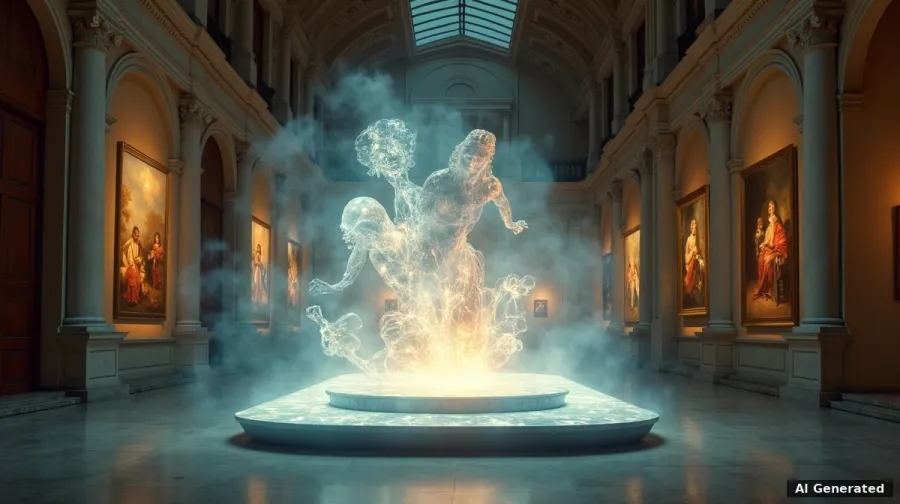
Now, let's talk about the most interesting part: Artificial Intelligence (AI). Until now, archives have often been compared to "museum storage rooms." Although they hold precious materials, they were "stuffed pasts" kept tightly locked away, far removed from the public.
However, the AI technology of 2026 is awakening these sleeping records and transforming them into living data. As researcher Keun-tae Kim of the Yulgok Institute of Korean Studies suggested, records must now transition into objects for intelligent utilization.
How is this possible?
- Revolution in Digital Readability: AI can autonomously learn and read cursive styles or modern mixed Korean-Chinese script that is difficult for humans to read. The moment difficult ancient documents are converted into digital text, data finally becomes searchable "information."
- Knowledge Graph: Instead of simply storing files, AI builds a "Knowledge Graph" that organically links people, places, and events. When a specific person's diary is connected to the geographical information of that time through AI, we can understand the context of history in three dimensions.
- Immersive Content: By utilizing Generative AI, we can experience real-time conversations with historical figures. This means record heritage is not just a boring subject of study, but a source of interesting K-content (IP).
Of course, there are precautions. There is a risk that AI might distort history or provide biased perspectives during the learning process. Therefore, the construction of a Smart Archive that can verify this and the role of an expert-centered control tower have become more important than ever.
4. The Technical Foundation for a Sustainable Archive
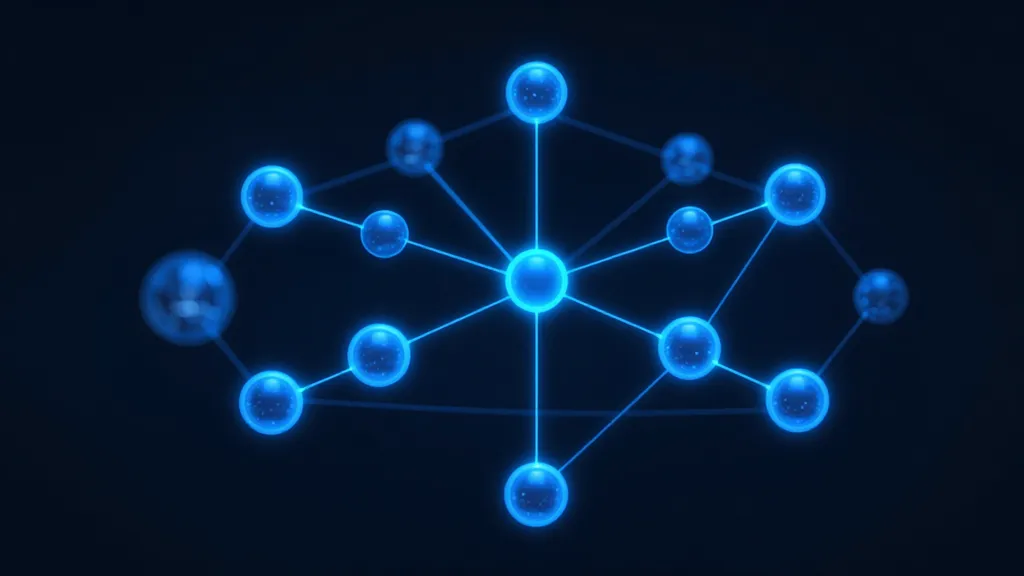
Then, how can we maintain this massive digital archive permanently? In academia, new designs based on the international standard, the OAIS (Open Archival Information System) Reference Model, are being discussed.
The goal is not merely to pile up data, but to create a sustainable ecosystem so that the system does not become obsolete over time. To achieve this, three core principles are emphasized:
- Technical Independence: Data must be readable in any environment without being dependent on specific hardware or software companies.
- Authenticity Verification: A strong security system is needed, utilizing technologies like blockchain, to prove that data has not been forged or altered in the process.
- Open Disclosure: Rather than formats monopolized by specific companies, open standard formats should be adopted so that anyone can check and use the technical specifications.
When such a technical foundation is established, institutions like the National Library of Korea can perform their roles as "Digital Resource Repositories" beyond simple storage facilities, thereby protecting national digital sovereignty.
5. Preparing for the Future: The Meeting of Education and Practice
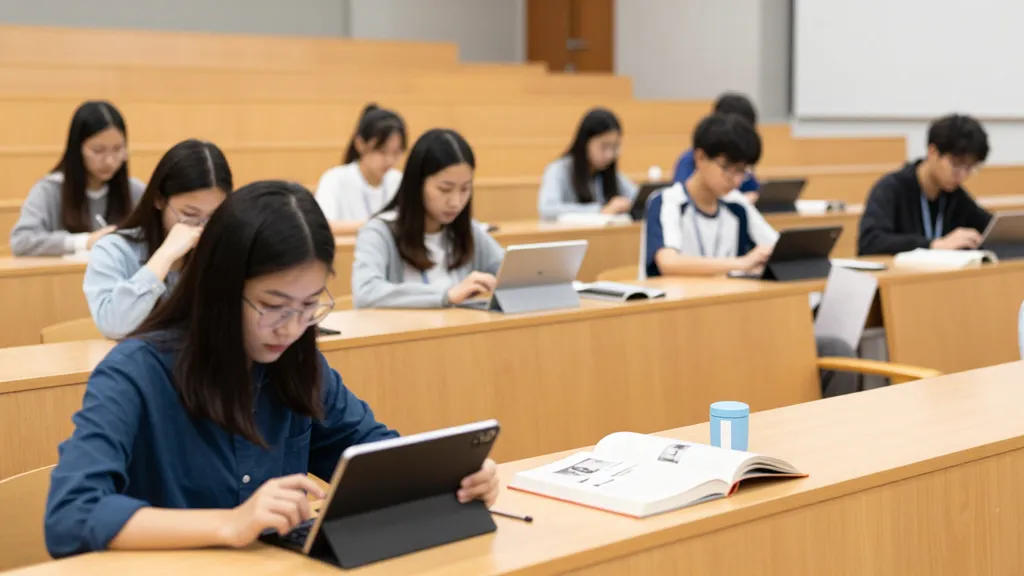
These changes have already begun in the realm of academia. Looking at the 2026 curriculum of Seoul National University of Science and Technology, the combination of technology and humanities is clearly visible.
Through the "Civilization and Philosophy" lecture, students are encouraged to reflect on modern Korean history from a philosophical perspective, while the "Records in the Digital Age" course teaches practical archival methodologies required in the era of data explosion. There is a movement to foster talents who possess both digital literacy and humanistic insight as much as technical proficiency.
Ultimately, the future archive expert must be an engineer who handles data and, at the same time, a humanist who reads the context of history.
Closing: Records are a Compass Toward the Future
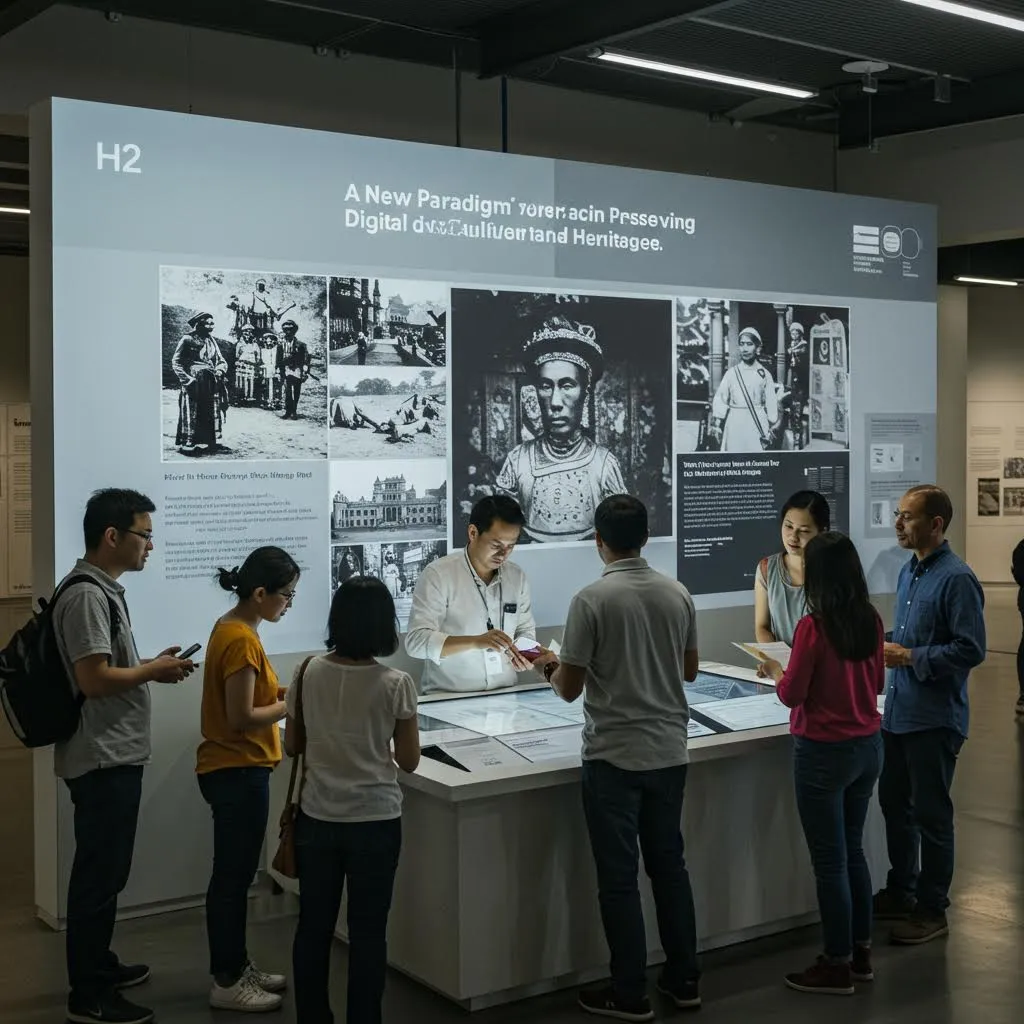
As we have seen, the AI Archive of 2026 is evolving beyond a simple data storage into an intelligent infrastructure that makes human memory come alive.
When the flexibility of the Cloud, the rigor of Japanese-style standardization, and the intelligent utilization of AI are combined, we will finally be able to fully preserve the past and convert it into an asset for the future. Records are not stuffed relics, but the most powerful compass telling us where we came from and where we must go.
I hope that technical and institutional efforts will not cease so that every single digital record we leave today can be transmitted to future generations without distortion.
Among the numerous digital data we leave behind, which do you hope remains as the most important legacy for your descendants 100 years from now?
I am curious to hear your thoughts. Please feel free to share your opinions in the comments!
References
- 국가 전자기록 관리전략에 관한 비교 연구 - JKSARM · accesson.kr
- 조은혜 국가기록원 학예연구사 “기록은 한 시대의 기억… 역사 지키는 ... · instagram.com
- [Life]AI 시대의 기록유산, '박제된 과거'에서 '살아있는 데이터'로 거듭나야 · m.kwnews.co.kr
- 2026 교육과정 - 서울과학기술대학교 · seoultech.ac.kr
- 전자기록물 장기보존 정책(안) (요약) - 국가기록원 · archives.go.kr
- [논문]디지털 아카이브의 영구적 보존을 위한 개념적 모형 설계에 관한 ... · scienceon.kisti.re.kr
- 디지털자원의 장기보존전략 및 인프라 구축 방안 연구 · oak.go.kr
- 디지털 아카이브의 영구적 보존을 위한 개념적 모형 설계에 관한 연구 · accesson.kr