We've heard news of AI writing code so often that it's becoming tedious, but it's hard to find an agent that delivers the "code that runs perfectly according to my intention" that we actually want.
What if there were an agent that goes beyond simply generating code and instead plans, tests, and delivers results like a seasoned senior engineer?
Today, in 2026, we will dive deep into the world of agentic coding and the Superpowers framework, which is shifting the AI coding paradigm from "simple generation" to "autonomous engineering."
1. Why has AI coding been "all talk and no action" until now?

The AI coding assistants we have experienced so far have mostly remained "chat-based assistants." If you ask a question, they throw code at you, but they take no responsibility for whether that code fits the entire project context, whether it passes tests, or whether it follows a maintainable structure.
This approach, often called "Vibe Coding," can be highly productive when the code happens to work by luck, but it quickly falls into a swamp of errors as soon as things get even slightly complex. This is because AI often skips step-by-step verification or writes code by making rough guesses about the user's intention.
The Superpowers framework emerged specifically to solve this problem of "unreliable automation." The core of this system lies in forcing the AI to "follow engineering procedures" instead of simply saying "write some code."
It is designed not just to create code, but to go through a process of extracting requirement specifications (Spec), designing the architecture, and performing TDD (Test-Driven Development) by writing tests first. It acts like a meticulous senior team lead providing detailed guidance to prevent junior engineers from making mistakes.
2. The Core of Superpowers: Implanting "Intelligent Procedures" into Agents
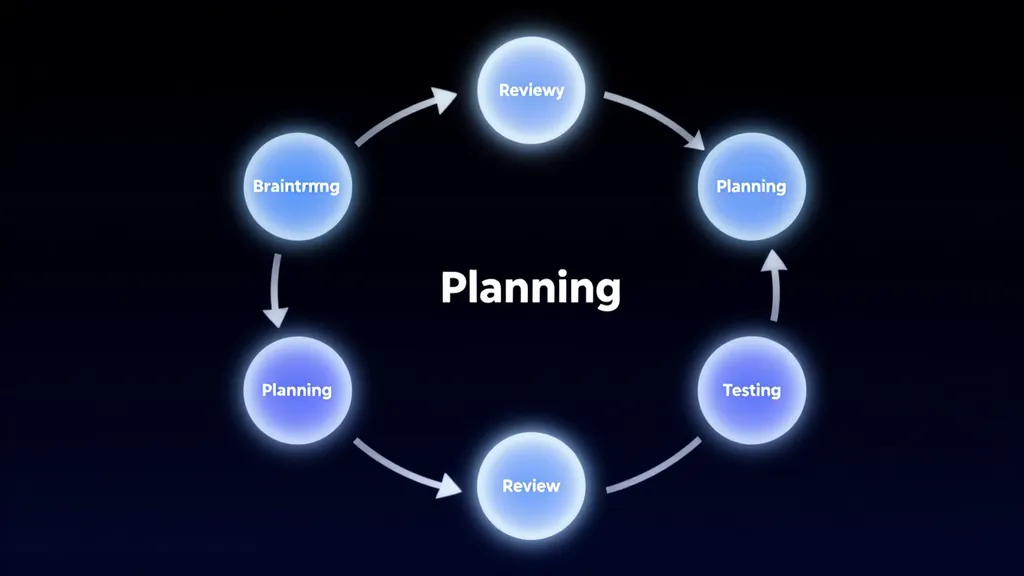
The biggest feature that distinguishes Superpowers from existing tools is its Enforced Workflow. To prevent agents from writing code haphazardly, it forces them to go through the following sophisticated steps:
🧠 Prioritizing Brainstorming and Design
Before writing any code, the agent must undergo a Brainstorming stage to refine ideas through dialogue with the user. After clarifying the user's intent, it presents small-scale designs and can only proceed to the next step after receiving the user's "Sign-off." This process prevents the AI from running wild in the wrong direction.
🛠️ Isolated Environments and Granular Planning
Once the design is approved, the agent uses Git Worktrees to create a clean workspace isolated from the existing code. The key here is breaking down the plan into very small pieces. It decomposes tasks into tiny units of 2 to 5 minutes each, creating an execution plan that includes exact file paths and verification methods for every single step.
🤖 Subagent-driven Development
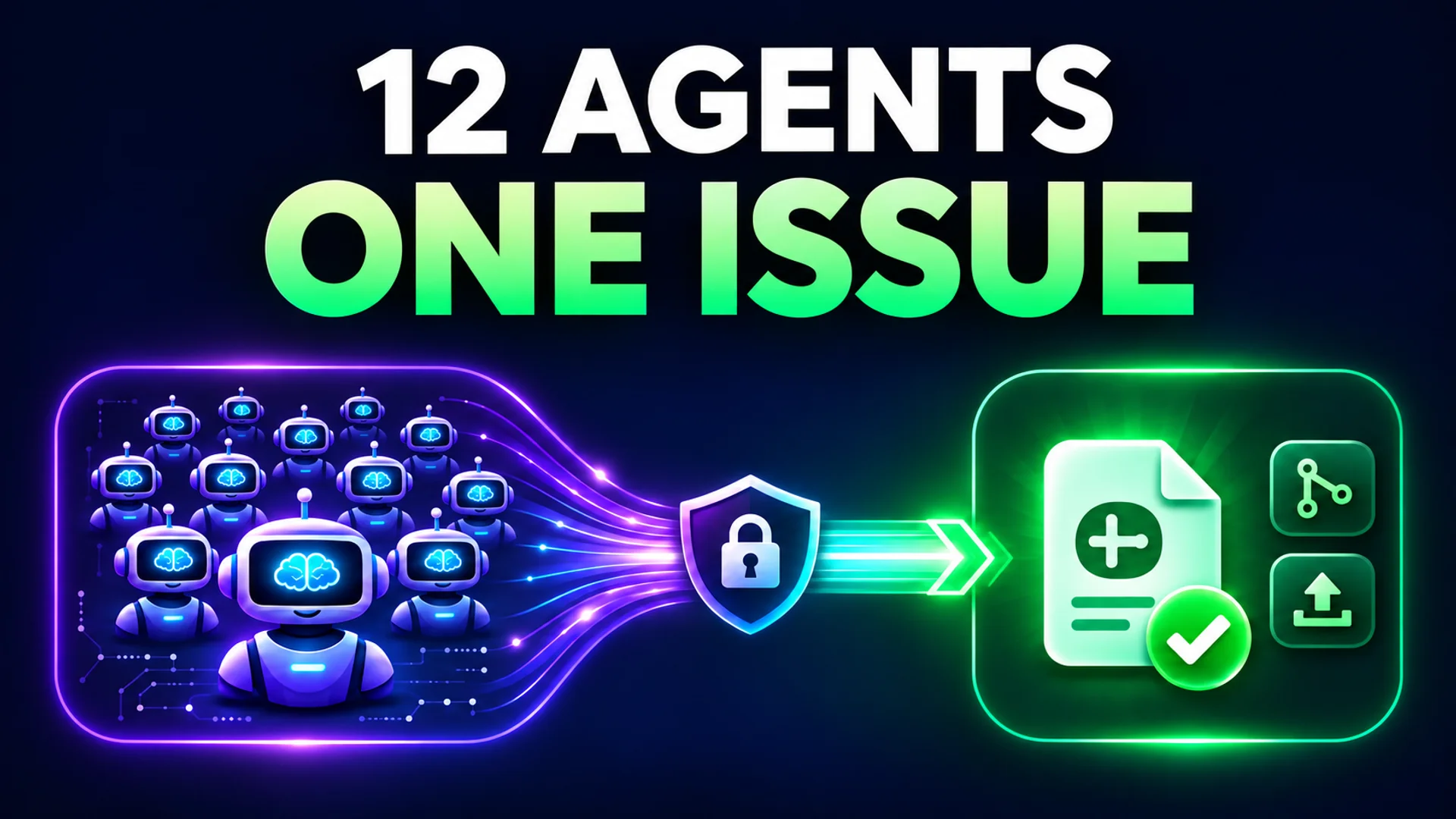
The most innovative part is the utilization of Sub-agents. While the main agent manages the entire project, separate sub-agents are deployed for each detailed task.
- Task Execution: Sub-agents implement specific features.
- Double Review: A separate review process operates to ensure the implemented code adheres to the specifications and meets quality standards.
This approach prevents the main agent's context from being contaminated by complex tasks. When using advanced models like Claude, it grants the ability to perform tasks autonomously for up to 2 hours without user intervention.
✅ Strict TDD and Code Review
Superpowers strictly adheres to the Red/Green TDD pattern. It enforces a cycle of first confirming that the test fails, writing the code, and then refactoring once the test passes. If there is a serious issue with code quality, the agent will stop its work itself and request a code review from the user.
3. Installation and Environment Setup: Adding "Superpowers" to Your Tools
Superpowers is designed to be used in various AI coding environments without being tied to a specific tool. As of 2026, here is a summary of the installation methods centered around the most popular tools.
- Claude Code: This is the ultimate combination. By adding the marketplace via the
/plugin marketplace add obra/superpowers-marketplacecommand, you can immediately use the core skills of Superpowers. - Cursor: It can be installed through the agent chat window or the plugin marketplace, making it a preferred method for many developers currently.
- GitHub Copilot CLI & Factory Droid: You can add the registry and install it via the corresponding commands.
- Gemini CLI & OpenCode: Gemini installs extensions through GitHub repositories, while OpenCode uses a separate installation file URL.
Note: You must install Superpowers individually for each environment (Claude, Cursor, etc.). Installing it in one place does not automatically apply it to all tools.
4. Proving Agent Performance: How should we measure it?
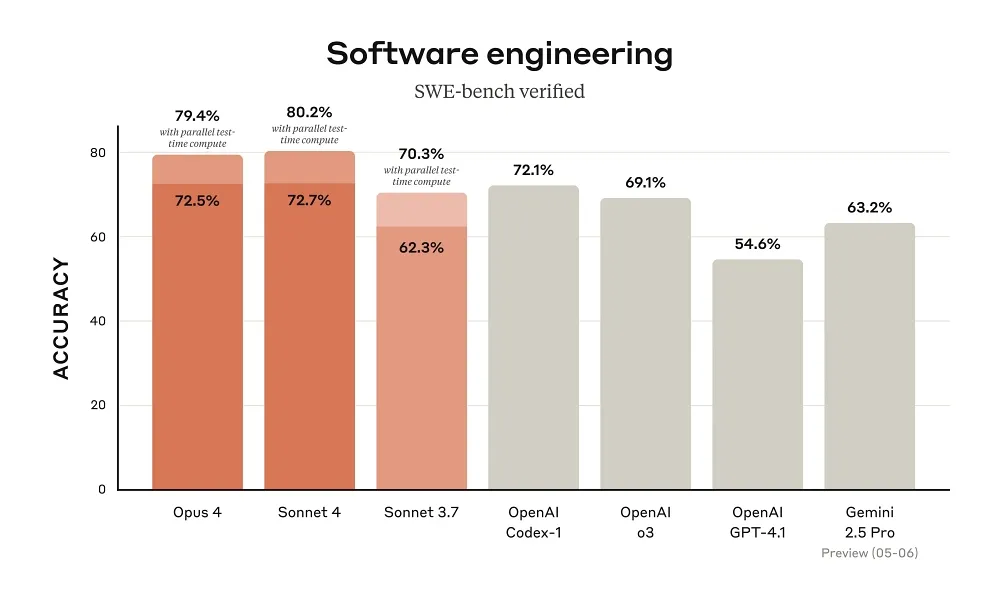
We often ask, "Which AI model is the smartest?" However, from late 2025 through 2026, expert interest has shifted from a model's simple intelligence (IQ) to its "execution capability as an agent."
Model vs Agent
Simply solving math problems well (GPT-5.2) or generating code well (Claude Opus 4.5) are capabilities of a 'Model.' On the other hand, exploring a file system, executing terminal commands, and fixing code by reading error messages is the capability of an 'Agent.'
Recently, in the community, rather than benchmarks of the model itself (like SWE-bench), the real-time monitoring approach—which measures how many valid fixes an agent produces when deployed to a real live codebase—is being treated as more important.
Token Wars and Context Management
One of the biggest challenges in agentic coding is 'token consumption.' As you continuously create sub-agents, the amount of information the main agent needs to reference can become too large, leading to skyrocketing costs or a drop in performance due to the 'context duplication problem.' Frameworks like Superpowers act as an orchestration layer, helping to perform complex tasks while minimizing token waste by efficiently separating and isolating the roles of these sub-agents.
5. Conclusion: AI is evolving from a tool into a "Colleague"

The Superpowers framework we have examined is a perfect example showing that AI coding has evolved from simply "writing instead of you" to "designing and verifying together."
To summarize the key points:
- Structural Thinking: Instead of indiscriminate code generation, it enforces engineering stages: Plan-Design-Implement-Test.
- Autonomous Execution: It distributes complex tasks through sub-agents and maintains high autonomy.
- Ensuring Reliability: It increases developer trust in AI-generated code through TDD and code review processes.
The role of the developer is now transforming from a 'typist' who types code line by line into an 'Orchestrator' who supervises whether the AI agent is heading in the right direction and decides the architecture. Superpowers is the tool at the very center of that change.
How much are you prepared to entrust to an AI agent? Or are you still spending more time manually reviewing because you cannot blindly trust AI code?
What are your thoughts? Please share your opinions in the comments!
References
- obra/superpowers: An agentic skills framework ... · github.com
- Superpowers: How I'm using coding agents in October 2025 · blog.fsck.com
- Superpowers: How I'm using coding agents in October 2025 · news.ycombinator.com
- Claude Code's Superpowers plugin actually delivers · reddit.com
- 코딩 에이전트(모델만 말고) 성능을 추적하는 벤치마크는 뭐임? · reddit.com
- 에이전트형 코딩이란 무엇인가요? 작동 방식 및 사용 사례 · cloud.google.com