Have you ever felt distressed on a Monday morning because the sound of your alarm felt like it was accusing you?
Even though you feel certain you slept enough yesterday, your head feels foggy, and you feel like a soulless doll sitting in front of your monitor.
We simply call this state "being tired," but in reality, there is a high probability that this is a powerful warning signal from your body and mind—a state known as Sleepy Slap.
Why do we keep falling into the swamp of lethargy?

Why does our energy suddenly bottom out in an otherwise normal daily life, and why does our heart sink at a single comment from a boss that we would normally overlook easily?
As of 2026, with the speed of infinite competition accelerating even further, slumps for office workers seem to have become an inevitability rather than a choice.
A slump does not simply occur because of a "lack of willpower." In your 20s, it's the frustration of first entering social life; in your 30s, it's the incessant fatigue of interpersonal relationships; and after your 40s, it's the uncertainty of the future and burnout that overwhelms us.
In particular, the biggest cause of workplace stress is the boredom stemming from repetitive tasks. When we fail to feel that we are growing within the same daily cycle, our brains gradually enter "Shutdown" mode.
If left unaddressed, this state can go beyond just "feeling a bit hard today" and lead to sleep disorders or anxiety disorders. A slump is not evidence of laziness; it is a scream from your brain saying, "Please, just rest!"
Emotional Intelligence (EQ): Not mere 'kindness,' but a survival strategy
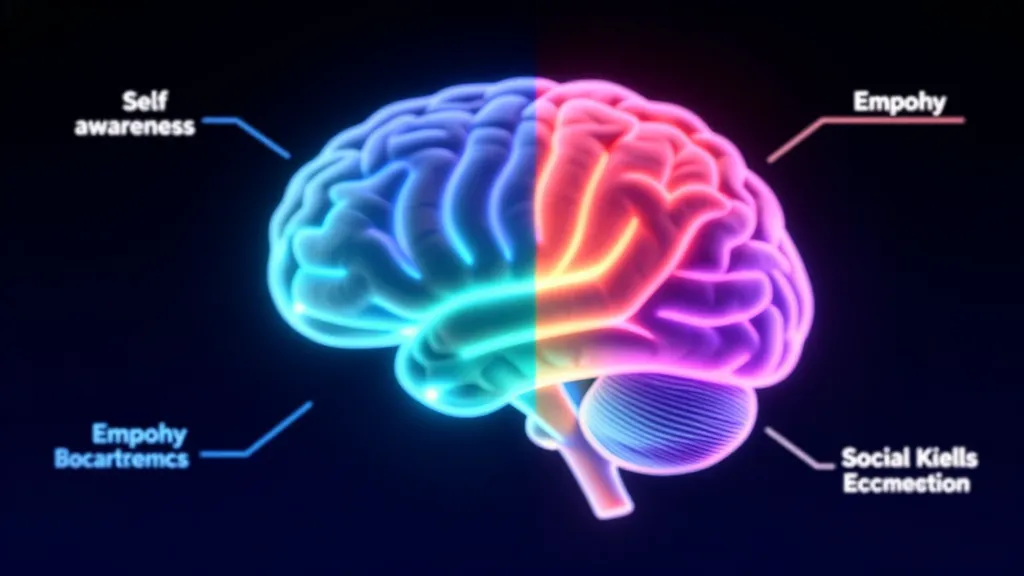
While many emphasize "mental strength" to escape this swamp of lethargy, there is actually a more powerful weapon: Emotional Intelligence (EQ).
The EQ mentioned here is not simply being "kind" or having a good personality to please others. It refers to practical survival capabilities: accurately reading one's own emotions (self-awareness), managing surging emotions (emotional management), and skillfully navigating relationships with others.
In fact, according to global studies, leaders with high EQ tend to far exceed sales targets compared to those without it. This shows that EQ is not just "mind study," but a core skill directly linked to performance in the workplace.
When we fall into a slump, the first thing we lose is this emotional intelligence. We fail to understand why our emotions are fluctuating and become overly reactive to the perceptions of those around us. Therefore, the first step to overcoming a slump must begin with recovering the EQ to manage our own emotions.
A Step-by-Step Escape Guide to Wake Up the Sleepy Slap

Now, I propose a 3-step action plan, blending scientific evidence and psychological strategies, on specifically how you can clear this heavy fog.
Step 1: Objectify Your Mental State (Self-Awareness)
The first thing you must do is look at your emotions through the eyes of an "observer."
- Keep an Emotion Check-in Journal: Invest just 5 minutes every day. Record the emotions you felt today using words like "tiredness," "unfairness," or "emptiness." Simply writing emotions down allows your brain to begin looking at them objectively, giving you the strength not to be swept away by them.
- Identify Triggers: Is there a specific situation or person that makes you exceptionally angry or lethargic? Identify that pattern, and practice "taking a moment to breathe" rather than reacting immediately when such situations arise.
Step 2: Reactivate the Brain's Reward System (Small Wins)
When in a slump, a massive project feels like a massive wall. In this case, you must trick your brain.
- Break it into bite-sized pieces: Do not set huge goals. Instead of "completing a report," break it down into tiny units like "turning on the computer" or "writing the title." According to behavioral economics, when these Small Wins accumulate, our brain's reward circuit activates and dopamine is released.
- Change your environment: The brain feels ennui in familiar environments. Occasionally, simply moving to a cafe or taking a walk through a path you've never taken during lunch can provide new stimuli to the brain, helping it find vitality.
Step 3: Utilize Physical Resilience and Social Connection (Physical & Social)
Mental problems are ultimately connected to the body.
- The Magic of Cold Water: When you are so lethargic that it's hard to get up, try washing your face or dipping your hands in cold water. This provides immediate help in lowering stress levels by stimulating the parasympathetic nervous system.
- Practice Empathy Interviews: Don't suffer alone. Tell a trusted colleague or friend, "I'm having a bit of a hard time with this part lately." If you practice "active listening"—listening fully to the other person without interrupting—the conversation itself becomes a healing process.
Escaping the Trap of Perfectionism

One common denominator among people experiencing slumps is excessive perfectionism.
The compulsion to do everything perfectly ultimately depletes your energy and maximizes the blow when you fail. In the volatile work environment of 2026, "adequacy" and "resilience" are more important than "perfection."
Sometimes, you must know how to tell yourself, "This is enough." Try redefining your company not just as a place where you sell your labor, but as your own stage to experiment with and grow your abilities. The moment you take initiative, a slump becomes a preparation period for a new leap rather than an end.
Your Emotions Should Be on Your Side

A slump is not evidence that you are living incorrectly. Rather, it is an honest signal from your body saying that because you have been running so hard, you now need to move a little differently.
Pick just one method from what I told you today. It could be writing a short diary this evening, or walking a different route during lunch tomorrow. What matters is not a grand plan, but a small action to take care of yourself.
Remember. Do not let your emotions drag you around. When you become the master of your emotions and regulate their flow, the fog of the Sleepy Slap will finally begin to lift.
How is your mental condition on a scale today? And what is one small thing you can do right now to raise that score?
Please share your tips for overcoming slumps in the comments!
References
- [직장인 정신건강] 직장인 슬럼프, 원인과 극복 방법 - 네이버 블로그 · m.blog.naver.com
- 감성지능(EQ)을 키우는 5가지 방법 - 한국리더십센터 · eklc.co.kr
- EQ를 높이는 실천 루틴 5가지 – 감성지능으로 일과 관계를 바꾸는 방법 · tinyactbig.com
- [자기 계발] 슬럼프에 대처하는 10가지 방법 - 네이버 블로그 · m.blog.naver.com
- 지독한 슬럼프 탈출? 연구가 증명한 슬럼프 극복법 7 · gqkorea.co.kr