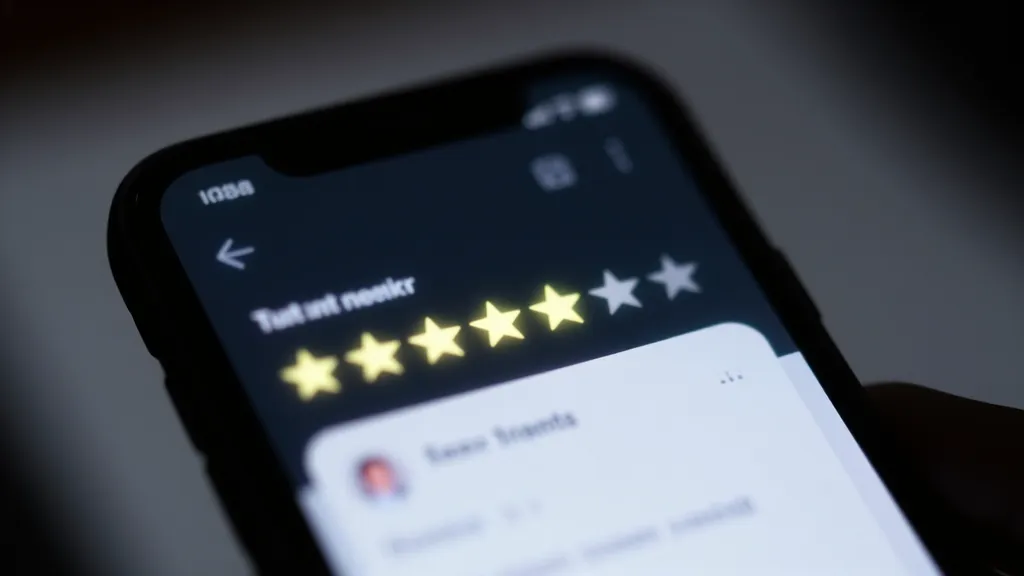
It is time to escape the trap of 'Five Stars'.
The era where countless fake reviews and manipulated ratings blindfold consumers is coming to an end. As of 2026, consumers are no longer fooled by smoothly polished 'gossip-style reviews' or incentivized positive reviews. Instead, 'Incident-based Reviews'—which contain specific circumstances of what actually happened—are becoming the absolute standard for purchasing decisions.
With eyes sharpened to distinguish between real and fake, the act of creating manipulated reviews is being treated not merely as a marketing technique, but as a serious 'crime.' Today, we will take an in-depth look at the reality of review manipulation, the resulting legal responsibilities, and the perspective on reviews we must adopt to survive.
1. The Reality of the 'Organized Fraud' Hidden Behind Glamorous Star Ratings
How many of the high ratings we encounter every day on Smart Stores or delivery apps are 'real'? The marketing market of 2026 is more cunning than you can imagine.
Looking at recently caught cases, organized review manipulation occurs frequently at a corporate level, going beyond simple individual misconduct. Some companies use the accounts of new employees to purchase goods with corporate cards and then deploy AI to generate long-form positive reviews as if they were actual users. This is a quintessential deceptive act that induces purchases by providing false information to consumers.
Even more shocking is the existence of 'review agencies.' There are underground operations where people are paid 7,000 KRW per review to pose as gourmet restaurant patrons, or 'review mutual aid' where business owners exchange reviews among themselves. Some agencies even exist that claim, "We will write a review if you just provide the food," without ever actually using the product. These fake reviews are shaking the foundation of platform trust and destroying market order.
2. "I thought it was just simple marketing..." The Price of Manipulation is Criminal Punishment
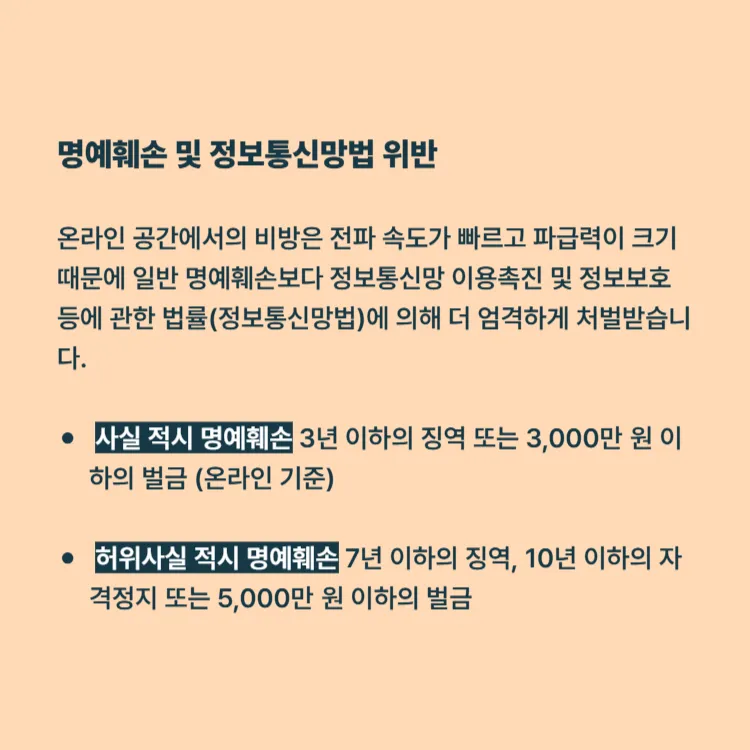
Many businesses complacently think, "Doesn't everyone do this much?" But the yardstick of the law is very strict. Review manipulation goes beyond simply breaking platform rules and becomes subject to criminal punishment.
First, the act of interfering with the normal operation of a platform through false reviews constitutes Obstruction of Business by Deception. In cases where reviews are manipulated by inputting fraudulent commands into information processing devices, 'Obstruction of Business by Damaging a Computer' can also be applied, which is a serious crime punishable by up to five years in prison. In fact, courts have recently been handing down severe sentences, including imprisonment, to the CEOs of organized false review manipulation companies.
Furthermore, inducing purchases by deceiving consumers constitutes a violation of the Fair Labeling and Advertising Act. Hiding the fact that a review was written in exchange for compensation, or pretending to be a user when one is not, is considered 'deceptive advertising' and faces strong sanctions from the Fair Trade Commission. If unfair profits were gained through manipulation, it can lead to the forfeiture and collection of criminal proceeds, so it is by no means a light matter.
3. 'Star Rating Terror' and 'Malicious Slander' That Consumers Must Also Beware Of
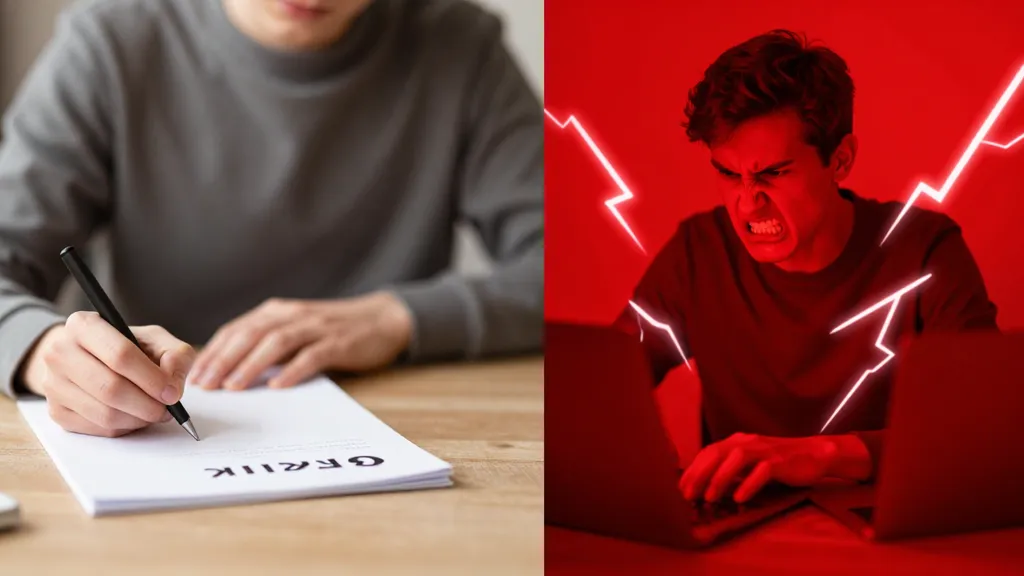
So, can a consumer's review be unconditionally protected? The answer is 'No.' Not all reviews receive legal protection.
We must clearly distinguish between 'fact' and 'opinion.' Honest reviews written based on actual experiences are a consumer right guaranteed by the Constitution. Even if the content is negative for a business, as long as it is not false, it is difficult to punish as defamation or obstruction of business. To protect a consumer-centric market environment, the courts also heavily protect the critical voices of consumers.
However, there is a line that must not be crossed. If one includes non-factual content to defame a business, distributes false information simply for the purpose of slander, or posts malicious reviews containing profanity and personal insults, they are subject to punishment. The so-called 'star rating terror' can also be punished for obstruction of business if it contains false information. It is vital to remember that freedom of expression does not mean a 'lawless zone.'
4. A Review Reading Method for the 2026-Style Smart Consumer
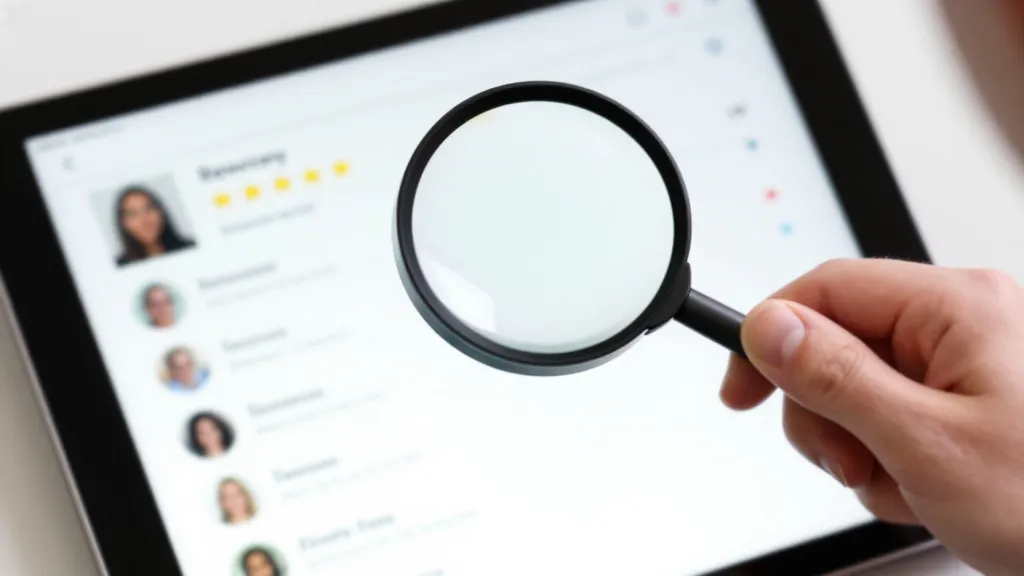
In a changing review ecosystem, how can we make wise choices without being deceived? Now, you must read the 'context of the review' rather than the 'numerical rating.'
First, look for 'Incident-based Reviews'. Rather than simple praises like "It's so good!" or "Five stars!", real reviews contain specific situations and processes, such as "It arrived 3 days after ordering, the packaging was like this, and it was inconvenient because of this when I actually used it." This is because specific descriptions are very difficult to manipulate.
Second, analyze the pattern of reviews. If a sudden explosion of positive reviews for a specific business occurs within a short period, or if the writing style is excessively standardized, it is worth being suspicious. AI-generated manipulated reviews often have smooth sentences but lack specific User Experience (UX).
Third, use negative reviews as a 'filter'. No business can be perfect. It is also important to see how a business responds to negative reviews. Following the latest Google guidelines, check whether a business sincerely acknowledges problems and shows a will to improve, or whether it consistently engages in unconditional defense or ignoring. This will help you understand the true value of that brand.
Conclusion: Trust is the Brand's Survival Strategy

Ultimately, the market of 2026 moves with the currency of 'trust'. While one might increase short-term sales with manipulated star ratings, it is like building a castle on sand. Consumers' eyes are sharper than ever, and the act of hiding the truth will eventually lead to the complete downfall of the brand.
Consumers should make wise judgments through reviews containing specific records, and companies must build trust through honest service. The power to find truthful voices amidst the noise of fake reviews—that is the new Digital Literacy required for us all.
What kind of reviews did you look at when making your recent purchase? Have you ever felt, "This seems a bit suspicious"? Please share your thoughts in the comments!
References
- 온라인 리뷰 조작과 법적 책임, 형사 고소 가능할까? | 사기/공갈 상담사례 · lawtalk.co.kr
- [변호사의 법률 '톡']허위리뷰 조작행위와 관련된 법적쟁점 · kns.tv
- "리뷰 1건당 7000원" 맛집인 척 '별 다섯개'...판치는 조작 - 법무법인 대륜 · daeryunlaw.com
- [양재규의 Law119] 유튜버의 부정적 리뷰는 처벌될까… 핵심은 '허위 ... · banronbodo.com
- 선 넘는 별점 테러나 악의적 리뷰 역시 처벌 대상...유의 당부 · lawwin.co.kr
- Google, 리뷰 답변 가이드 주요 내용 업데이트 - 브런치 · brunch.co.kr