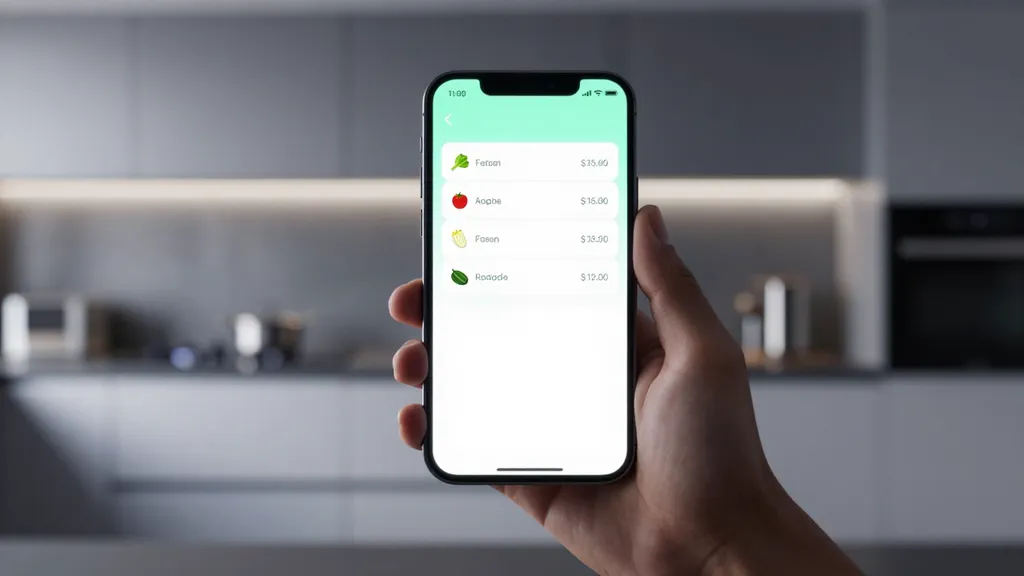
You can now stop worrying about whether you need to spend a fortune on an "intelligent refrigerator." As of 2026, the core of food management has completely shifted away from the massive refrigerator body toward the combination of AI technology and apps that can see inside the fridge and determine expiration dates.
To get straight to the point: From the Era of Refrigerators to the Era of 'Food Data'
In the past, a refrigerator was simply a "container" for keeping food fresh, but the 2026 refrigerator has evolved into an "intelligent manager" that manages the lifecycle of food ingredients. However, the interesting part is that you don't necessarily have to buy a multi-million won smart refrigerator to enjoy these benefits.
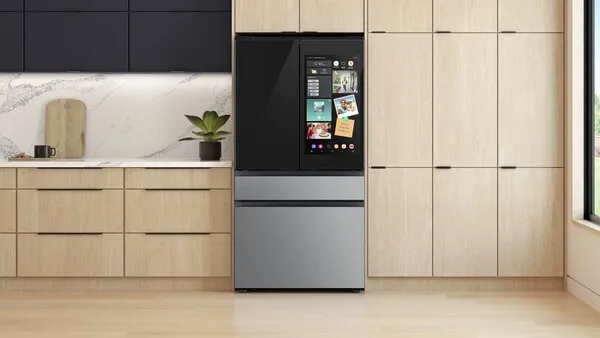
While cutting-edge models like Samsung Electronics' 'Bespoke AI Family Hub' lead the market with praise from global tech media, the essence lies in the AI algorithms that recognize food ingredients and track expiration dates. In other words, as technology advances, instead of purchasing expensive appliances, we will face a "software-centric purchase revolution" where we add AI functions to existing refrigerators or manage ingredients through smartphone apps.
Why do we miss expiration dates every time? (Root Cause Analysis)
The fatigue we feel every time we open the refrigerator is deeper than we think. Questions like "Was this milk good until yesterday?" or "When did I put that zucchini in the corner?" are common concerns for all homemakers and single-person households.
There are three main reasons why these problems recur:
- Visual Limitations: Food ingredients pushed deep into the back of the refrigerator are physically invisible.
- Lack of Records: It is nearly impossible to manually write down when you bought something or when its expiration date is before you eat it.
- Complexity of Management: Expiration dates vary for each ingredient, and as the variety increases, management becomes impossible through human memory alone.
Ultimately, the era of "manual management," where humans had to verify things with their eyes and remember them with their brains, has reached its limit. To solve this, AI Vision technology has emerged.
The Technological Leap Shown by Samsung Bespoke AI Family Hub
How did Samsung Electronics' 2026 Bespoke AI Family Hub solve this problem? Simply saying it is "smart" isn't enough. The reason US-based Tom's Guide selected this product for the 'AI Awards 2026' is precisely because of its sophistication.
While past smart refrigerators could only recognize a few standardized products, this model combines with Google's generative AI, Gemini, to expand its recognition range to over 2,000 types.
Shall we look at an example? In the past, it might have just recognized "Cola," but now it clearly distinguishes between regular Cola and Zero Cola. It not only recognizes vegetables like avocados or zucchini but also accurately reads handwritten labels. This means that beyond being a simple appliance, a "personalized shopping assistant" that perfectly understands my kitchen has been born.
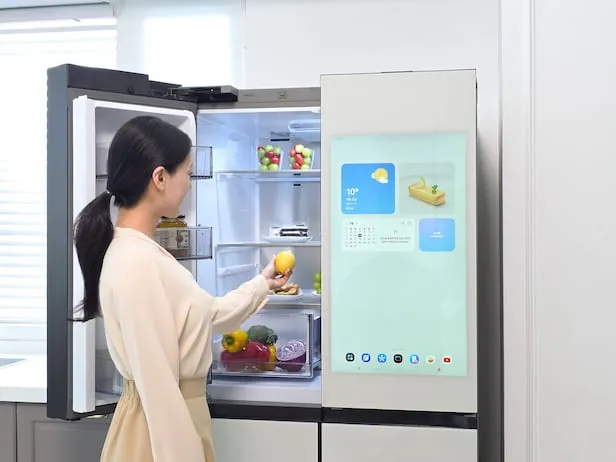
3 Key Changes Brought by Intelligent Refrigerators
How are these technological advancements changing our daily lives? Beyond simply making things "easier," our lifestyle is changing.
1. The Challenge Toward Zero Food Waste
The British tech media T3 selected this refrigerator as a "product that helps reduce food waste." The AI detects the entry and exit of ingredients in real-time and sends notifications to your smartphone when an expiration date is approaching. Thanks to this, we can drastically reduce the instances of throwing away food in a moment of "Oh no!" This helps not only environmental protection but also the household economy.
2. Ending the "What should I eat today?" Dilemma
What if the AI already knows everything left in the refrigerator? The AI Food Manager recommends optimal recipes based on the ingredients currently in stock. For example, if you have chicken and broccoli, it can instantly suggest a delicious stir-fry recipe using them. It saves the mental energy spent on menu decisions.
3. Appliances: The Era of 'Subscription' rather than Ownership
One of the interesting trends of 2026 is the appliance subscription model. The latest premium appliances equipped with AI functions come with high price tags. Accordingly, centered around the MZ generation, a culture has taken root where people prefer paying a reasonable monthly subscription fee rather than purchasing expensive products in a lump sum. Especially as services where AI diagnoses its own status and manages it remotely are combined, appliances are transforming from "items you buy once and finish with" into "services that are continuously cared for."
Practical Advice: Do I really need to buy an expensive refrigerator?
Here, we must ask an important question: "Then, should I buy a refrigerator that costs over 5 million won right now?"
My answer is "No."
As can be seen from the flow of technology, the core is not 'refrigerator hardware' but 'AI software.' While Samsung Electronics' technological prowess is indeed great, this technology will gradually be implemented in the form of smartphone apps or small AI camera devices.
Guide for Rational Consumption:
- If you are already using smart appliances: Try connecting your existing appliances through platforms like Samsung SmartThings. You can fully utilize energy-saving modes or management functions suggested by the AI.
- If you are planning to buy new: Rather than simply looking for a large capacity, you should prioritize how many types of ingredients it can recognize (AI Vision function) and how well it integrates with the smartphone ecosystem you use.
- If you value cost-effectiveness: Keep an eye on subscription services. This is a great way to experience models equipped with the latest AI functions without the burden of initial costs.

In Summary: The Smart Kitchen Has Already Begun
The kitchen revolution of 2026 did not start with the introduction of grand machines, but with the automation of food data.
- AI Vision technology precisely recognizes over 2,000 types of ingredients, shifting the subject of management from humans to AI.
- It captures both economic efficiency and convenience through food waste reduction and personalized recipe provision.
- It is increasing accessibility to expensive AI appliances by combining with the subscription economy.
A refrigerator is no longer just a storage unit. It is a smart partner that designs our dietary life, protects the environment, and even helps with shopping. How are you managing the ingredients in your refrigerator this evening? Are you still feeling anxious while checking expiration dates with your eyes?
What is the most inconvenient part of your kitchen life? Please share your concerns in the comments!
References
- 삼성전자 AI 패밀리허브 냉장고, 미국·유럽 테크 매체 호평 - 연합뉴스 · yna.co.kr
- 삼성전자, AI 식재료 관리 강화한 2026년형 '비스포크 AI 패밀리허브 ... · news.samsung.com
- 삼성전자 '2026년형 AI 냉장고', 식재료 관리 기능으로 해외 매체 호평 ... · businesspost.co.kr
- “일반 콜라와 제로 콜라까지 구분”…삼성 AI 냉장고, 美·유럽 테크매체 ... · v.daum.net
- 美·英 매체, 삼성전자 AI 냉장고 호평… “식재료 인식 기능 탁월” · cbiz.chosun.com
- 사물인터넷 IoT - 지능형 냉장고 식재료 관리 자동화 - 과학박사 · scienba.tistory.com
- 스마트 냉장고, 식재료 관리의 혁신 - 테크니컬가젯 · techgadget.tistory.com
- [가전테크 인사이트] "사도 되는데 왜 빌려요?" 구독형 ... - 모비인사이드 · mobiinside.co.kr