When you ask an AI to write code, have you ever felt flustered because it poured out nonsensical code like an overeager junior employee, or lost the context of your question?
obra/superpowers, which has recently been garnering explosive attention among developers with 190,000 stars, emerged specifically to solve this problem.
Beyond being a mere tool that writes code quickly, we will now dive into the reality of this magical framework that elevates AI to a reliable 'Senior Engineer.'
1. Why 'Superpowers' Now: The Limits of Vibe Coding
As of 2026, we live in an era of coding alongside AI. However, AI coding up to this point has remained stuck in a stage called 'Vibe Coding.' This is a method where a developer says, "Make it feel something like this," and the AI proceeds to pour out code on its own.
The problem arises here. AI often lacks contextual understanding, skips testing processes, or shows signs of 'running wild' by writing excessively complex code while ignoring the user's intent. It was like working alongside a 'junior developer' who is full of passion but lacks judgment.
To break through these limitations, Superpowers has arrived. Rather than unconditionally increasing the AI's freedom, this framework focuses on controlling AI behavior through strict rules and structures. In other words, it acts as a 'training instructor' that makes the AI a professional you can trust and delegate tasks to.
Consequently, the development paradigm shifts from 'Coder' to 'Maestro.'
2. The Core of Superpowers: A 4-Step Verification System to Control AI
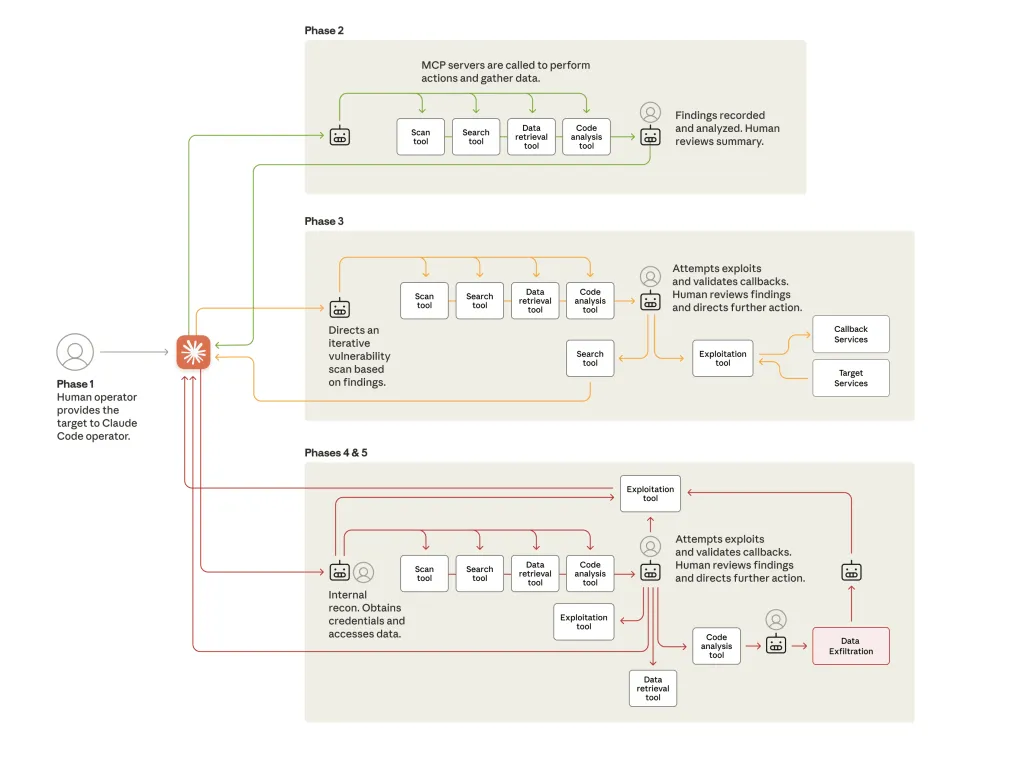
What differentiates Superpowers from typical AI assistants is the structured workflow that the AI must undergo before writing even a single line of code. It is designed with a philosophy of 'fundamentally blocking options' to prevent the AI from acting erratically.
Let's look at the specific steps involved:
Step 1: Brainstorming and Spec Extraction
The AI does not immediately grab the keyboard. First, it listens to the user's vague ideas and converts them into detailed Specs. During this process, the AI uses the Socratic method to ask the user questions, clarifying requirements. This stage, which defines "what to build," is the most important.
Step 2: Writing Plans
Once the specs are finalized, the AI creates a very detailed implementation plan. This plan is like a well-structured recipe. Each task is broken down into very small pieces that can be completed within 2 to 5 minutes, and it even includes exact file paths and verification methods.
Step 3: Subagent-Driven Development
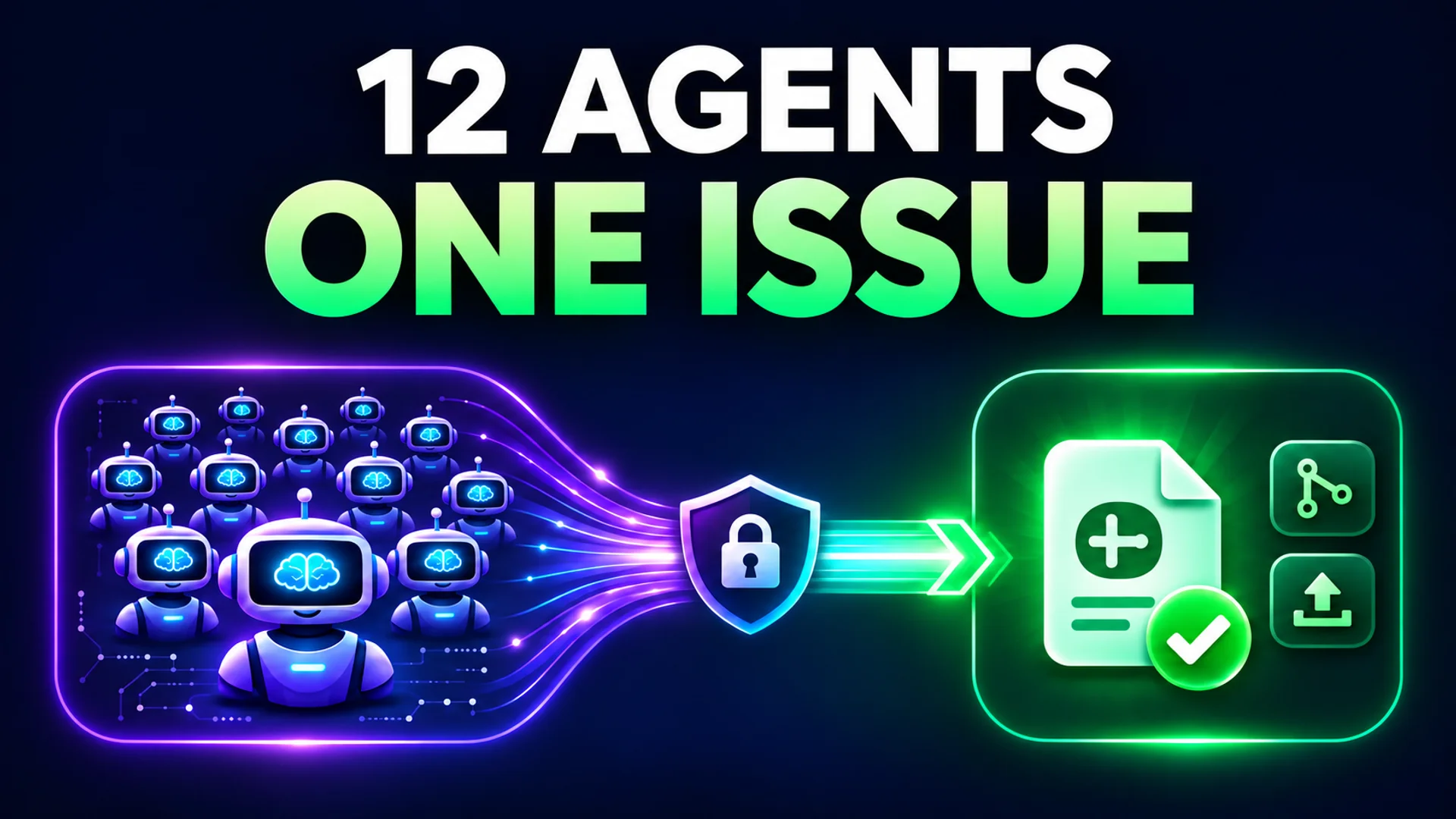
This is the most exciting part. Instead of the main AI doing everything, it creates and deploys Subagents optimized for each specific task. This prevents the main context from being contaminated and allows even complex tasks to be performed step-by-step.
Step 4: Strict Review and Verification
Once the code is written, a 'Reviewer Agent'—completely separate from the code author—is deployed. This reviewer meticulously checks whether the implementation follows the plan and whether the quality is appropriate. If there is a problem, it fundamentally blocks the process from moving to the next step.
3. Obsession with Perfection: TDD and Psychological Design
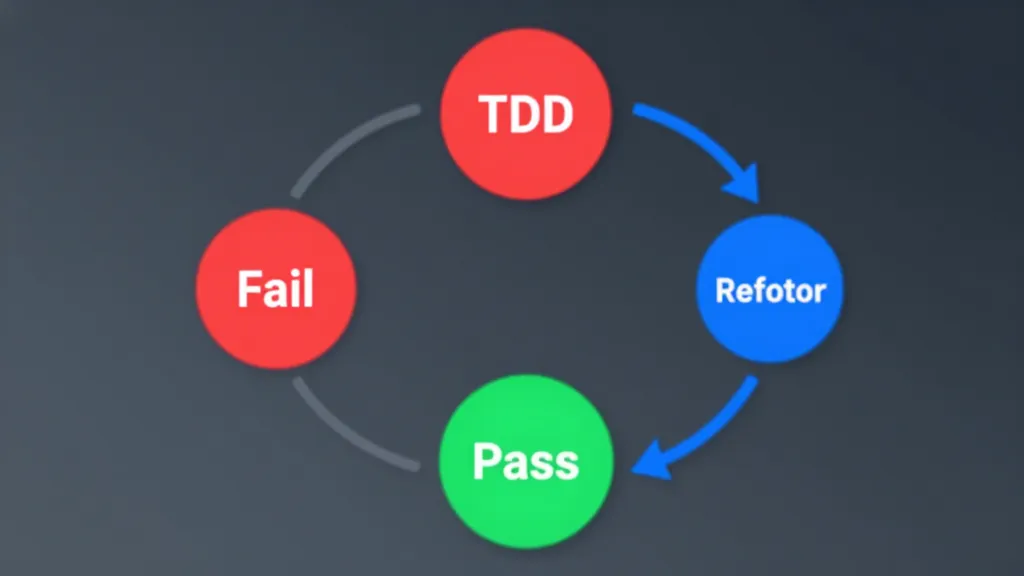
The true power of Superpowers lies in forcibly injecting the essence of software engineering—Test-Driven Development (TDD), the RED-GREEN-REFACTOR cycle—into the AI.
While typical AI tries to write code first and then test it later, the Superpowers environment is designed to first confirm that the test fails (RED) and then write only the minimum amount of code necessary to pass it (GREEN). What if the AI writes the code before writing the test? The system immediately deletes that code. It is as if a very strict senior engineer is watching over its shoulder.
Furthermore, this framework utilizes human psychological principles. When an AI attempts to take a shortcut by breaking rules in an urgent situation, the system uses 'Stress Test' scenarios to induce the AI to maintain consistency. By applying Robert Cialdini's principles of persuasion, it is a highly sophisticated design that makes the AI judge that following the principles is the most 'logical and efficient choice.'
Of course, such powerful control is not always the answer. For simple typo fixes or very minor tasks, these complex procedures can instead become an inefficient overreaction. Additionally, there is a clear disadvantage that this strictness might hinder creativity during exploratory coding stages where there is no set framework.
4. Practical Application: How to Get Started?

Then, how can we bring these powerful features into our own work environment? Currently, Superpowers is available as a plugin in various environments centered around Claude Code.
The most representative method is using the following commands in the Claude Code environment:
- Add Marketplace:
/plugin marketplace add obra/superpowers-marketplace - Install Superpowers:
/plugin install superpowers@superpowers-marketplace
Once installation is complete, your AI transforms from a mere assistant waiting for commands into an autonomous development partner that plans for itself, performs tests, and even requests reviews.
In particular, by utilizing the 'Spec Preservation Doc' feature, you can solve the chronic 'goldfish memory' problem of AI. Since agreed-upon requirements are saved as physical files, you can continue working with continuity without losing the project context, even when sessions change or new agents are deployed.
In Summary: The New Role of Developers in the AI Era

The Superpowers framework we have explored conveys an important message: the competitiveness of AI development is shifting from 'who has the smarter model' to 'who controls AI with a more powerful and stable framework.'
Let's summarize today's content in three lines:
- Superpowers is a framework that evolves AI from a simple coder into a Senior Engineer that adheres to strict engineering principles.
- It forces code quality and prevents AI from running wild through TDD (Test-Driven Development) and Subagent-Driven Workflows.
- Through this, developers take on the role of a 'Maestro' who designs and conducts the entire process, rather than a 'Coder' who writes code directly.
Now, the direction of your questions must change. Instead of "How should I write this code?", your core competency will be "How can I perfectly define the specs of this system?"
Are you ready to grant 'superpowers' to your AI? Or are you still lingering in the uncertainty of 'vibe coding'?
What are your thoughts? Please feel free to share your opinions in the comments!
References
- Github 19만스타에 빛나는 Claude Code 플러그인 Superpowers 사용기 · youtube.com
- Superpowers: How I'm using coding agents in October 2025 · blog.fsck.com
- Superpowers: How I'm using coding agents in October 2025 · news.ycombinator.com
- Superpowers: Workflow For Coding Agents | by Yaniv - Medium · hasamba.medium.com