From questions like "What should I eat for lunch?" to dilemmas such as "What career should I pursue?", we now live in an era where making decisions without algorithmic recommendations feels awkward.
As of 2026, Artificial Intelligence (AI) has moved beyond being a mere tool; it is designing our tastes, mediating our relationships, and even secretly sculpting our values.
The recommendation feeds we encounter the moment we turn on our smartphones are filled with things we are likely to enjoy, but within that seamless flow, a growing sense of crisis emerges: the feeling that our "true selves" are gradually being diluted.
The Comfortable Prison Created by Algorithms: The 'Filter Bubble'
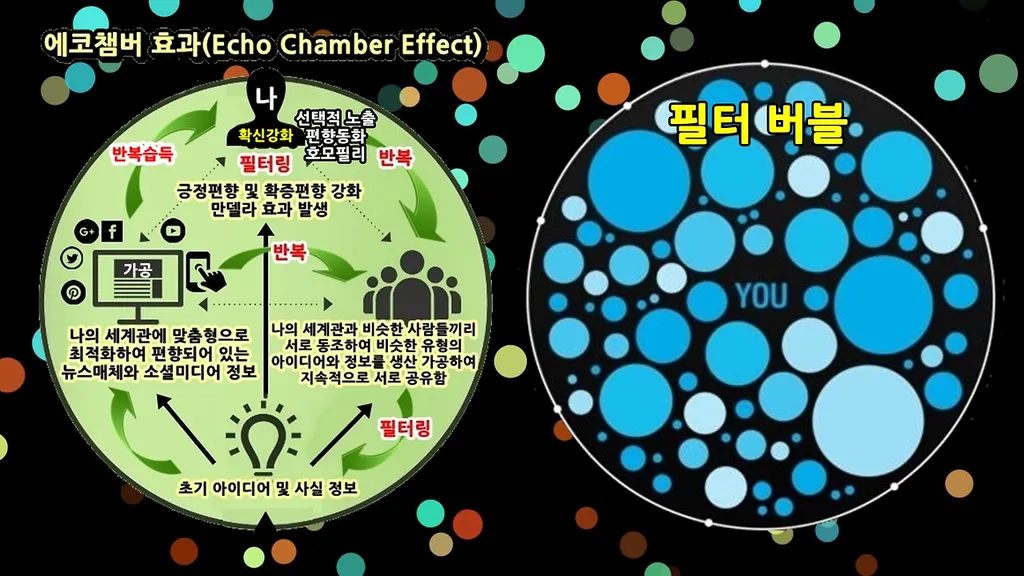
We are addicted to the convenience provided by algorithms. AI, which unerringly finds the videos we might like, the news we might agree with, and the styles we might buy, can sometimes feel like a friend who knows us best.
However, behind this convenience lies a terrifying trap called the "Filter Bubble." Algorithms repeatedly expose us only to information that reinforces our existing beliefs, trapping our perspective within a narrow frame.
In this process, we develop a tendency to easily label people with different opinions as "wrong" or "dangerous." Narrow-minded categorizing, such as "That person is a man, so..." or "That person has that kind of inclination...", strips away the depth of human relationships and reduces us from complex human beings to mere lumps of data.
Ultimately, while we feel comfort within the bubble constructed by algorithms, paradoxically, our identity becomes increasingly thin and isolated within it.
To Worship AI as a God, or to Become the Masters of Thought?
Humanity in 2026 stands before two great paths. One is the path of "Algorithmic Worship," where people accept the answers provided by AI like divine revelations. The other is the path of "Metaphysical Return," seeking to recover the deep human contemplation that technology cannot provide.
The majority of people rely on the instant answers provided by generative AI, such as ChatGPT, effectively "outsourcing" their power of thought. They hand over even the responsibility of judgment to machines, leaving the steering wheel of their lives to be guided by algorithms.
However, a small number of awakened individuals change the direction of their questions. Instead of asking, "What did the AI answer?", they ask, "Why do I think this way?" They strive not to be submerged in the logic of AI, which is dominated by efficiency and speed, but to embrace the contradictions, ambiguities, and ethical agonies that only humans can possess.
As technology advances, we must choose: will we be slaves to machines that provide convenient answers, or will we be the masters of thought who ask questions ourselves, even if they are uncomfortable?
Data Tells 'What', but Anthropology Tells 'Why'

By analyzing vast amounts of data, AI can accurately predict what happened. However, it remains silent on the human heart hidden behind those phenomena—the why of why such things happened. This is because data merely skims the surface of phenomena with numbers; it cannot read the context of human dignity and suffering contained within.
At this point, we must return to anthropological thinking. We need an attitude that reads the structural context of poverty that statistics miss and observes the minute lives of individuals that grand discourses fail to capture.
The most scarce value in the AI era is the "ability to read deeply and think slowly." As technology automates everything, we must restore the multidimensionality of life—which algorithms cannot mimic—through an attitude of "participant observation," learning directly through physical human experience and social relationships.
3 Survival Strategies to Avoid Being Absorbed by Machines

Then, how can we prevent ourselves from being consumed by algorithms and maintain our human agency? Experts suggest the following core strategies:
First, check your 'framework of thought'. Beware of the "colonization of thought," where you unthinkingly believe AI output to be the absolute truth. AI merely presents probabilistic patterns; it cannot judge ethical values. You need a critical distance, always asking, "What is the bias in the data hidden behind this answer?"
Second, restore the 'aesthetics of slowness'. AI is optimized for efficiency and speed. However, human life cannot be explained by efficiency alone. Sometimes, times of 'non-action' (Wu Wei)—walking without purpose, doing nothing, or being lost in deep contemplation—are what make us human. Do not sell your life to the logic of efficiency.
Third, maintain 'intellectual humility' and 'kindness'. We need the flexibility to admit our thoughts might be wrong, and the kindness to look past the categories defined by algorithms to see others as whole human beings. Before classifying someone as a 'risk factor,' the effort to understand their context will save us from algorithmic simplification.
Ultimately, not forgetting that the subject using the technology is 'me'—that is the final bastion we must defend in 2026.
Conclusion: Ride the Wave of Technology, but Set Your Own Direction
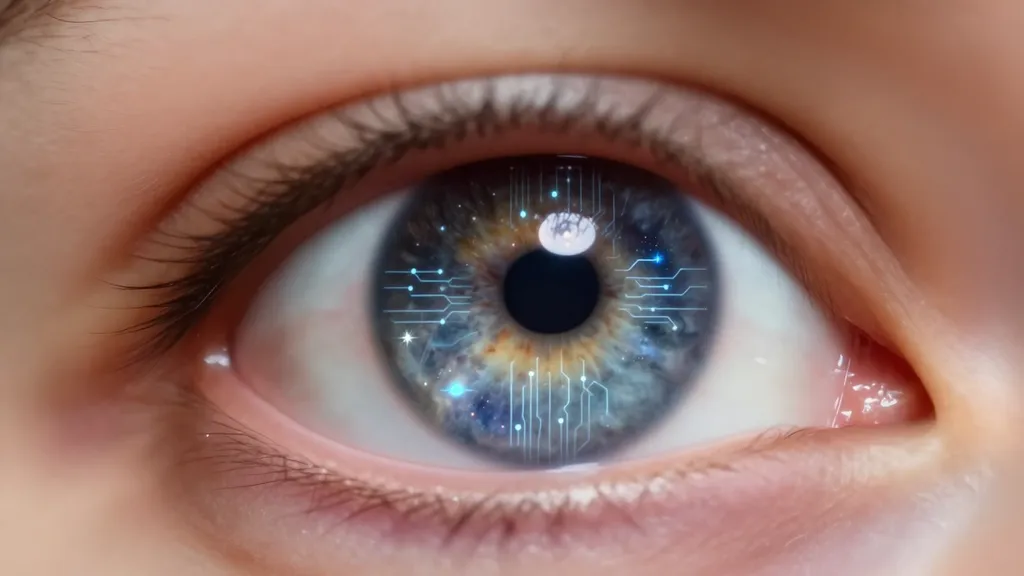
In 2026, AI is permeated into every corner of our lives. Technology can make us smarter, but it can also make us simpler and more passive beings.
The important thing is to never stop asking the question: "Am I using technology, or is technology using me?" Rather than following the convenient paths suggested by algorithms, we must become the 'subjects who set the stage,' asking questions and seeking answers ourselves, even if the path is rugged.
The true competitiveness in the AI era is not coding skills or data analysis. It is the "ability to think more deeply, feel more profoundly, and treat others as humans rather than data."
What question did you ask yourself today instead of following an algorithm's recommendation?
Was it the algorithm or your own will that decided your day today? Please share your thoughts in the comments.
References
- AI 시대의 가장 큰 위험은 기계가 인간을 대체하는 것이 ... - Instagram · instagram.com
- 2026년은 두 방향이 동시에 있다. 대부분은 AI를 신처럼 받아들인다 ... · threads.com
- AI는 절대 설명하지 못하는 것들, 지금 읽어야 할 인류학 책 5 · harpersbazaar.co.kr
- "SNS 알고리즘 버블에 갇히면, 자기 자신이 없어져" - 오마이뉴스 · ohmynews.com
- AI와 채팅하거나 AI 알고리즘을 배울 때 특히나 경계해야 할 점 · m.blog.naver.com
- 철학자 늘린 GIST… “AI 시대엔 읽고 쓰는 능력이 중요” - 조선일보 · chosun.com
- AI시대, 철학하지 않는 자는 기계에 흡수된다! - 네이버 프리미엄콘텐츠 · contents.premium.naver.com
- AI 시대, 변하지 않는 것에 베팅하라: 미래 세대 · 부모 · 교사 - 본헤럴드 · bonhd.net