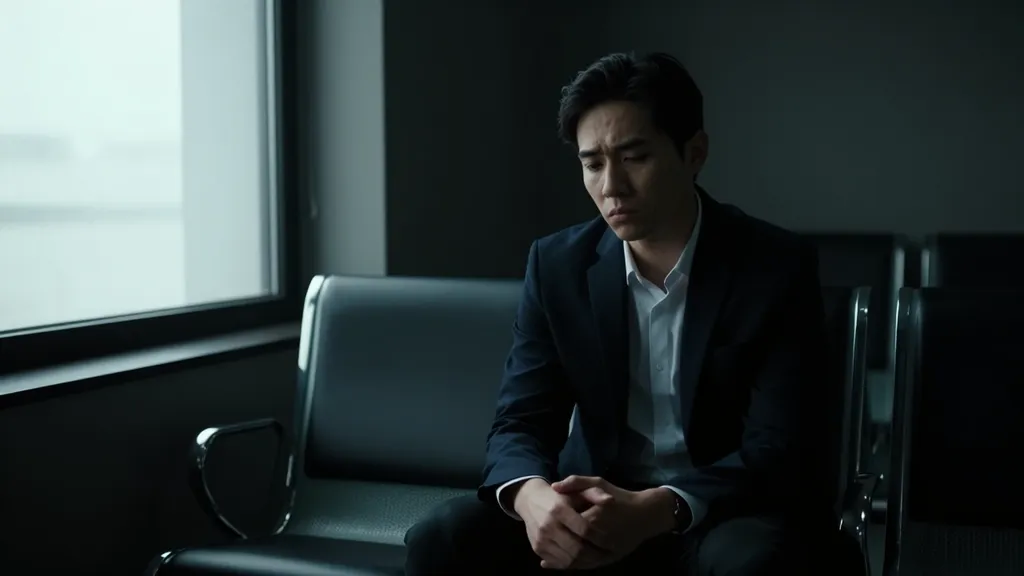
There are moments when the fear of "What will happen to me here?" outweighs the excitement of "Will this company hire me?"
When the answers we prepared so diligently scatter into thin air, or when we are faced with personal insults or offensive questions, we fall into a deep sense of skepticism.
An interview should be a space for mutual interaction where the company and the candidate get to know each other. Unfortunately, in reality, it often becomes a one-sided tribunal or a bizarre theatrical stage.
An interview should be a 'human encounter' that goes beyond 'evaluation'
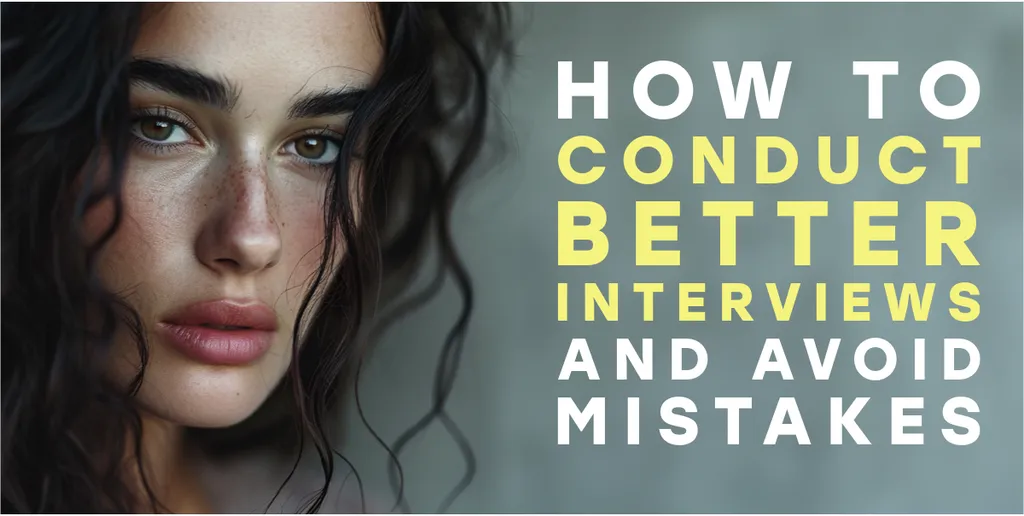
We often think we've had a 'worst interview' if we fail to answer a technical question or make a mistake in a coding test. However, the true worst scenarios occur not due to technical ability, but when a situation touches upon the candidate's dignity.
Looking at various cases that have recently heated up online communities like Hacker News, Reddit, and BuzzFeed, the raw face of our hiring culture is revealed.
One person encountered an interviewer during a Machine Learning (ML) engineer interview who wouldn't even explain the context of the questions. The interviewer behaved mechanically, like an 'interview engine,' moving to the next question before even listening to the candidate's answer, merely checking the volume of their knowledge. Even more, cases where non-technical staff conduct interviews with an authoritative attitude demonstrate the illusion of hiring that prioritizes 'displaying authority' over technical sincerity.
Even more shocking are cases that breach psychological boundaries. In an interview for a mental health startup, instead of technical questions, a barrage of highly private questions was poured out, such as "When was your most difficult day?" or "What was the biggest challenge in your life?" The candidate described this as 'Trauma-baiting.' Under the pretext of checking 'Culture Fit,' the company dug into the candidate's most vulnerable parts, leaving them with deep psychological exhaustion and shame.
When rudeness and exploitation are packaged as 'recruitment'
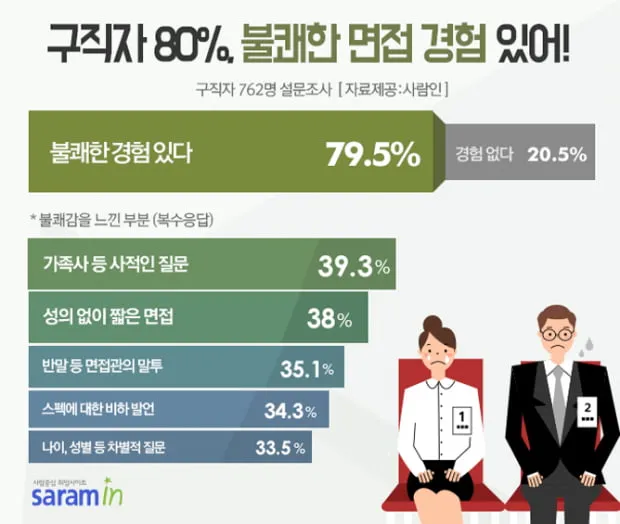
The injustices occurring in interview settings extend beyond simple 'unfriendliness' into the realms of economic exploitation and sexual harassment.
Among the 29 worst cases introduced by BuzzFeed, there are many that leave one speechless with horror. Offering a salary much lower than what was stated in the job posting and saying, "We'll raise it later when the economy improves," is a clear precursor to wage exploitation. This shows the unethical attitude of companies seeking to reduce costs by taking advantage of a candidate's desperate situation rather than respecting their value.
Furthermore, personal insults frequently occur during the interview process. Leaving notes like "personality is like a rock" on a candidate's resume or making offensive demands by mentioning specific body parts are acts close to crimes that can never be tolerated in the modern labor market.
In some service industry interviews, there were even cases of threatening to deprive workers of break times, saying, "Just sitting down can get you fired." These scenes starkly prove that companies treat employees not as colleagues or human beings, but as consumables or machines.
In such situations, many candidates choose to walk out of the interview mid-way. This is not merely an emotional response, but a result of detecting 'Red Flags' to protect their self-esteem and professionalism.
How we can avoid 'bad interviews' and build healthy careers
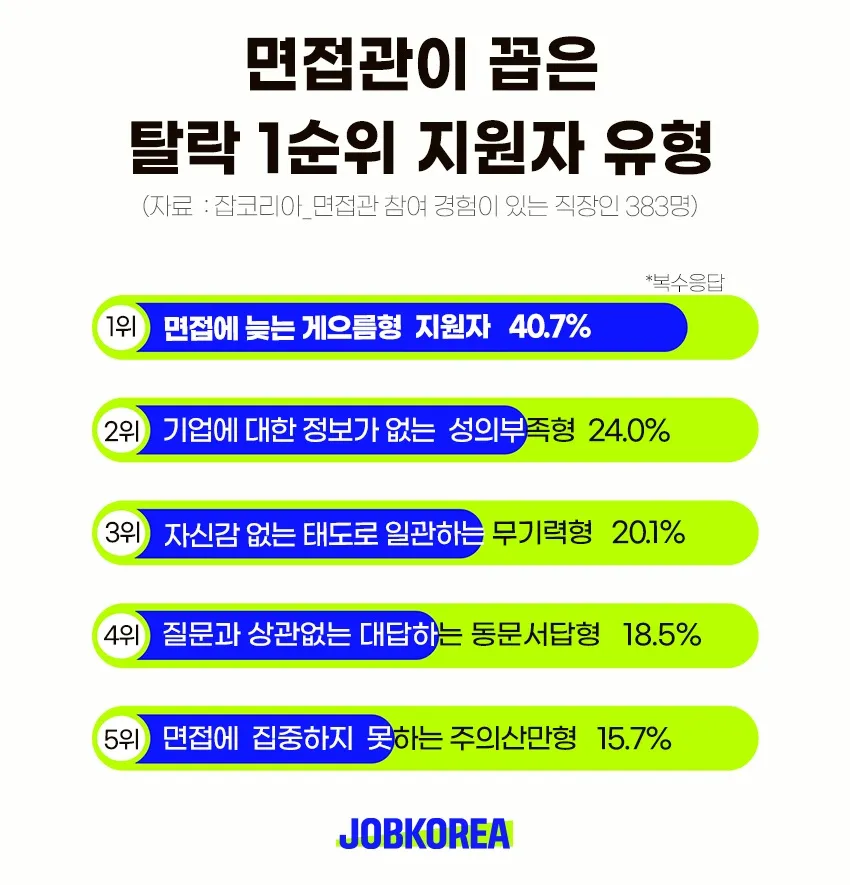
Then, how can we protect ourselves within this 'interview hell' and distinguish good companies? We must not forget that while an interview is a place where a company selects a candidate, it is also a place where the candidate selects the company.
First, do not ignore 'unpleasant signals' during the interview process. If an interviewer does not explain the intent of their questions or invades excessively private domains, it is strong evidence that the company's organizational culture is unhealthy. What is more important than the difficulty of technical questions is the method and attitude with which those questions are asked. If an interviewer is authoritative and rude, there is a very high probability that your daily life after joining the company will be the same.
Second, distinguish between 'culture fit' and 'invasion of privacy'. It is legitimate for a company to ask about your values or collaboration style. However, asking about your past traumas, family history, or extremely personal suffering is likely rudeness packaged under the name of 'culture fit.' If the focus of the questions is on your 'vulnerability' rather than your 'competence,' you should immediately go on high alert.
Third, redefine the interview as a 'process of mutual exploration'. Just as the interviewer evaluates you, you should also evaluate the interviewer. Try to read the company's branding and actual internal culture through the level of questions, the interviewer's attitude, and the way they answer questions about the company. The subtle signs of hierarchy or lack of communication felt during the questioning process are very important data points.
Lastly, be firm against proposals that diminish your value. Places that change promised conditions citing a difficult economy or show an attitude of belittling a candidate's professionalism are not places where you should entrust your career. Entering a toxic environment out of fear of a temporary gap in employment can lead to much greater problems.
Summary: Your dignity is more important than any recruitment process

Worst interview experiences leave great scars, but they also serve as powerful milestones that tell us what kind of environment we should work in.
Ultimately, the core is three points:
- An interview must be based on personal respect beyond technical testing.
- Corporate rudeness and exploitation cannot be justified in the name of 'recruitment.'
- Candidates have the right to verify a company's culture through the interview.
Do not blame yourself for the injustices you experienced during the interview process. It is not your ability that is wrong, but their way of treating the candidate. Your professionalism and dignity are far more valuable than any interview question.
What was your most absurd or unpleasant interview experience? Please share your stories in the comments. Your experiences may serve as an important preventive measure for someone else.
References
- The worst job interview I ever had | Hacker News · news.ycombinator.com
- 29 Job Interviews So Bad, Applicants Walked Out - BuzzFeed · buzzfeed.com
- The worst job interview I ever had | personal site · oliverio.dev