Have you ever experienced lying in bed, mindlessly scrolling through short-form videos, thinking "just one more," only to realize an hour has already passed?
This 15-second magic, where the world is flipped with a single finger, provides us with thrilling pleasure. However, warnings are erupting everywhere that it is simultaneously and silently destroying our brains. Recently, the provocative term "Brain Rot" has emerged in psychology and neuroscience circles, focusing intensely on the anxieties of the digital age caused by short-form content.
Today, we will delve deeply into why it is so difficult to escape the loop of these short videos and what we must do to protect our brains from this "dopamine trap."
1. Would Socrates Have Worried 2,400 Years Ago? The Recurring Fear of Technology
Surprisingly, whenever a new technology emerges, humanity has felt similar fears. 2,400 years ago, Socrates warned that writing would weaken human memory and only expand the appearance of wisdom. However, history has proven that writing did not cause intelligence to degenerate; rather, it led a revolution in accumulating and spreading knowledge.
The current fear regarding short-form content resembles this. Terms like "brain rot" or "popcorn brain" are less like academic diagnoses and more akin to a variant of Moral Panic arising from the process of adapting to a new medium.
However, we cannot simply dismiss the current situation as the "unnecessary concern of the older generation." Changes brought by technology certainly exist, and this time, the speed is at a level humanity has never experienced before.
2. The Slot Machine Hacking Your Brain: The Mechanism of 'Popcorn Brain'
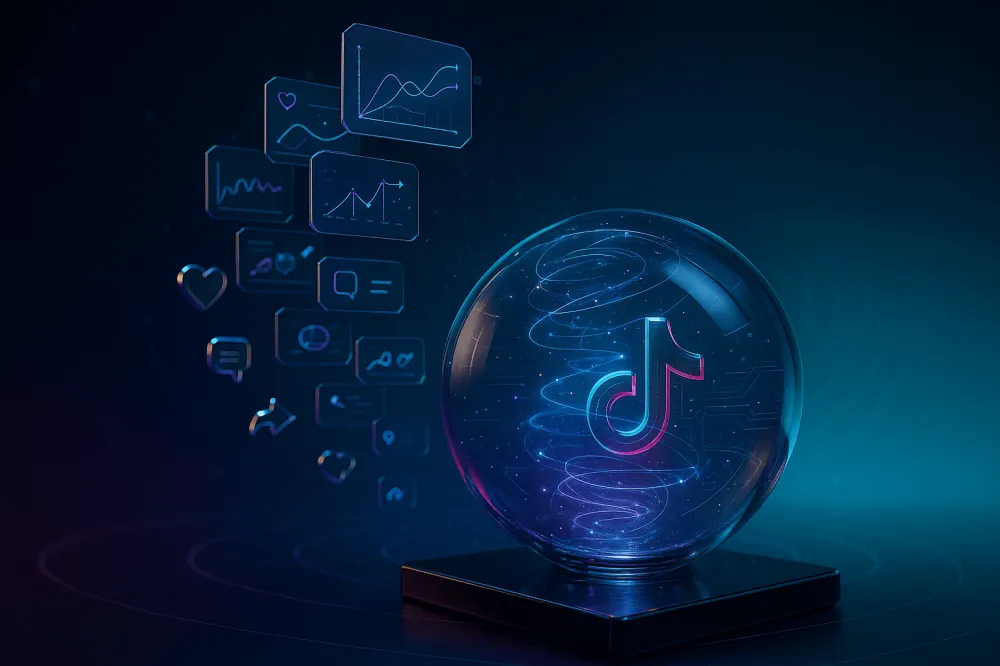
Why can't we stop even when we want to? The secret lies in the brain's Reward System.
Psychologically, short-form content has a structure very similar to a slot machine. Not every video is entertaining, but a "variable reinforcement schedule" is at work, making you anticipate a "jackpot video" that might appear as you scroll. This unpredictability constantly stimulates the brain, causing dopamine to explode.
When this process is repeated, two dangerous changes occur in our brains.
First, the dopamine threshold rises. A brain accustomed to intense stimulation stops responding to the small joys of daily life. Much like drug addiction, we begin to seek only things that are stronger, shorter, and more stimulating.
Second, the Popcorn Brain phenomenon occurs. This refers to a state where one only responds to intense, immediate stimuli—like popcorn popping—while becoming numb to the slow, calm stimuli of reality. In fact, analyzing the MRIs of long-term internet addicts has revealed physical changes, such as a reduction in the size of gray matter related to cognitive function.
3. The Vicious Cycle of Anxiety: The Psychological Swamp Created by Comparison and Isolation
The problems brought by short-form content are not limited to physical changes in the brain. It is also deeply connected to our emotional anxiety.
According to Social Comparison Theory, humans have an instinct to confirm their value by comparing themselves to others. The worlds shown in TikTok or Instagram Reels display only the "Highlight Reels" of others. Users unconsciously compare their mundane daily lives to these seemingly perfect lives, leading to relative deprivation and a drop in self-esteem.
In particular, a French parliamentary investigative committee pointed out that TikTok's algorithm carries the risk of prioritizing content related to depression, self-harm, and eating disorders by exploiting the psychological vulnerabilities of users. In the process of recommending the most provocative and extreme content to capture user attention, the algorithm creates a vicious cycle that worsens the condition of people suffering from anxiety disorders.
4. Time to Revive the Brain: The Amazing Effects of a 'Short-form Diet'
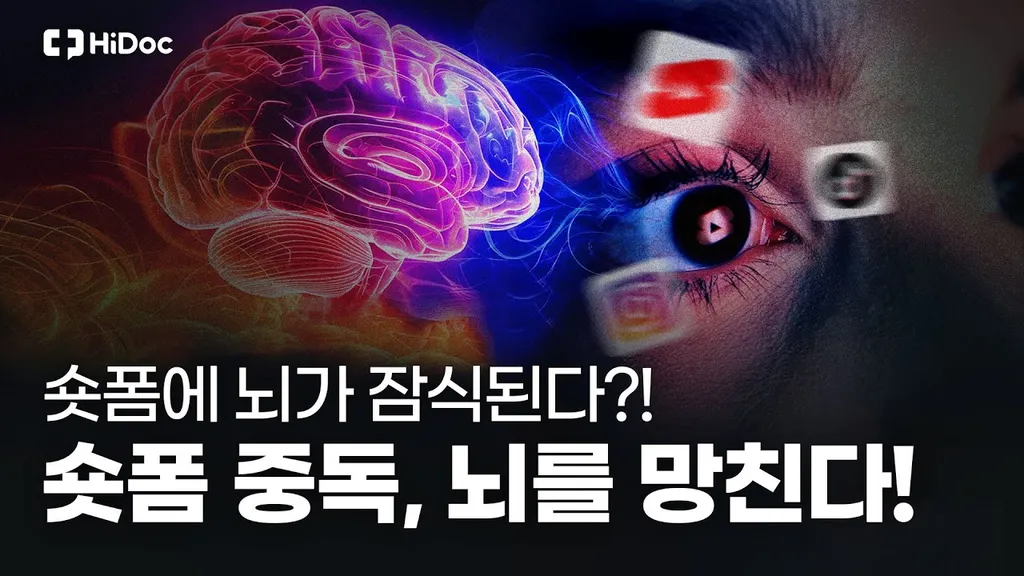
Then, are we doomed to never escape this digital addiction? Fortunately, our brains possess an amazing ability called Neuroplasticity.
According to experiments by domestic researchers, when short-form usage was intentionally limited, the brain responded faster than expected. Remarkably, a "short-form diet" for a mere short period of 4 weeks resulted in a clear improvement in the neural activity of test subjects.
As intense external input decreased, the brain began to function efficiently on its own. This is a hopeful signal that if we actively control our digital environment, we can reawaken stagnant cognitive functions.
5. How Should We Respond? Becoming an Active Consumer

We must move away from the old methods of "prohibition and blocking." Like the story of the apple in the Garden of Eden, unconditional prohibition only invites greater thirst. Instead, we must become active consumers equipped with "Digital Literacy."
Specific actionable strategies include:
- Re-educating the Algorithm: Intentionally search for and watch content you actually want to see (e.g., peaceful topics like animals, nature, or art). You need a process where you tame the algorithm to suit your tastes, rather than letting the algorithm pull you toward provocative videos.
- Clarifying the Purpose of Use: Before opening an app, ask yourself: "Am I truly looking for enjoyment right now, or am I simply trying to avoid boredom?" Aimless scrolling amplifies anxiety.
- Setting Digital Boundaries: While institutional protections like the EU's Digital Services Act (DSA) are important, individually, it is good to actively use features like prohibiting smartphone use after 10 PM or setting time limits on specific apps.
- Restoring Offline Joys: To help the brain re-adapt to "calm stimuli," you should increase the proportion of non-linear activities such as reading, walking, and face-to-face conversations.
In Summary: A Journey Toward a New Intelligence
So far, we have examined the impact of short-form content on our brains and mental health, as well as ways to respond.
To summarize: short-form content stimulates the dopamine system, inducing structural changes in the brain, and amplifies anxiety through social comparison, but it is fully recoverable through intentional moderation and algorithmic control.
Perhaps the confusion we are experiencing now is a growing pain in the process of humanity evolving toward a new form of information processing capability—a "future intelligence" that processes vast contexts at high speed. The important thing is whether we will choose to be passive users manipulated by technology or active agents who command technology as a tool.
Tonight, why not start a "small diet" by opening a book instead of a smartphone before you go to sleep?
Is your digital life doing well? If you have experienced feeling particularly anxious or losing focus while watching short-form videos recently, please share your experience in the comments!
References
- [콘텐츠칼럼] 15초 숏폼 시대, 불안을 넘어 미래의 지능으로 - 전자신문 · etnews.com
- 틱톡이랑 뇌 썩는 거: 연구 결과에 따르면 짧은 영상 중독 수준이 높은 ... · reddit.com
- SNS 숏폼 무한 스크롤하다간 내 뇌가 위험하다! - 한국심리학신문 · psytimes.co.kr
- 한 달간 '숏폼 다이어트' 했더니… 굳었던 뇌가 살아났다 | DBR · dbr.donga.com
- 나 이상한 생각 하나 있는데, 혹시 나랑 같은 사람 있나 궁금해서... 틱톡 ... · reddit.com
- 나만 그런가, 틱톡 보니까 불안함이 더 심해지는 것 같아? : r/Anxiety · reddit.com
- 28명 만장일치 “틱톡은 청소년 위협하는 최악의 플랫폼” - 한겨레 · hani.co.kr