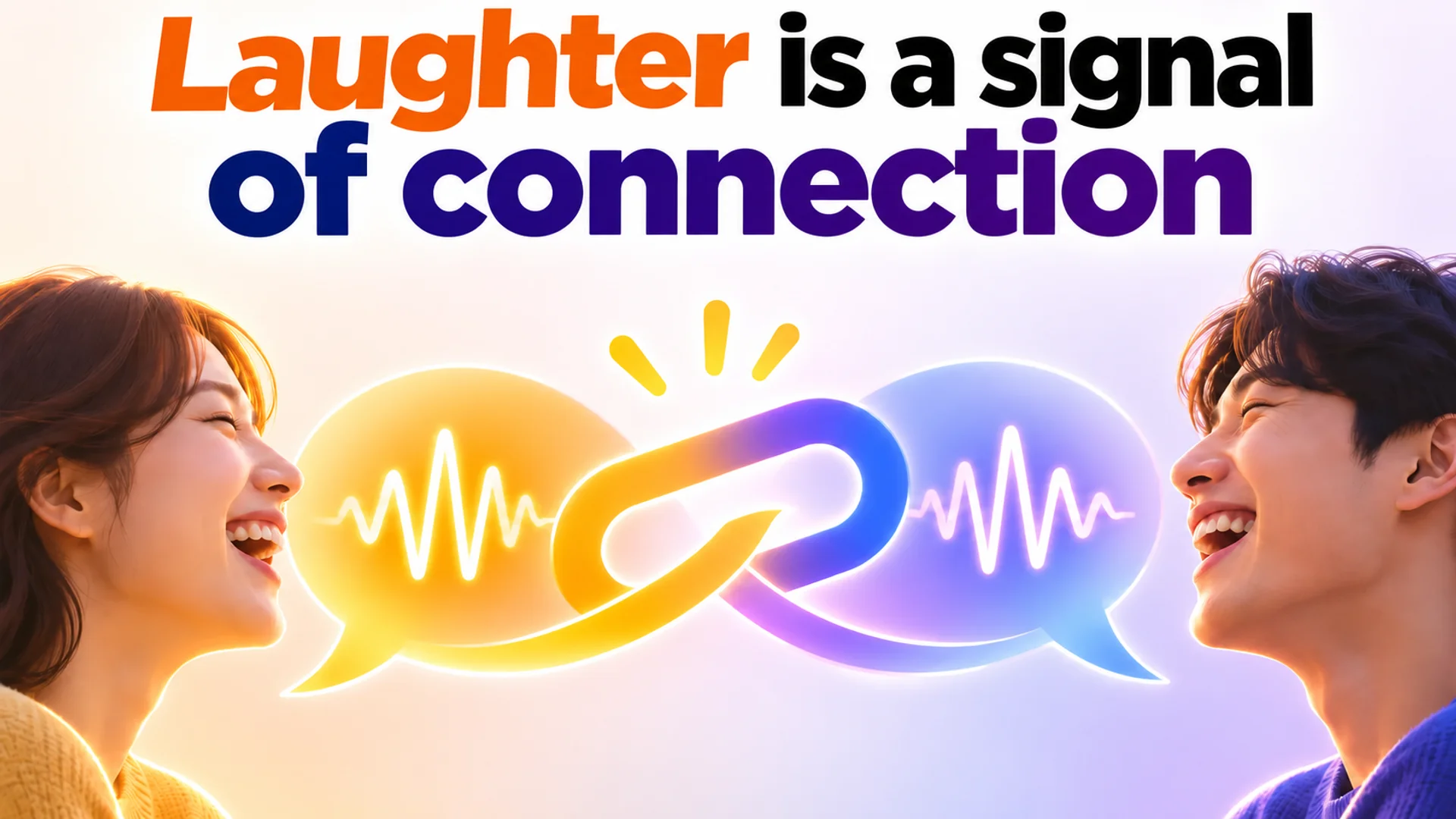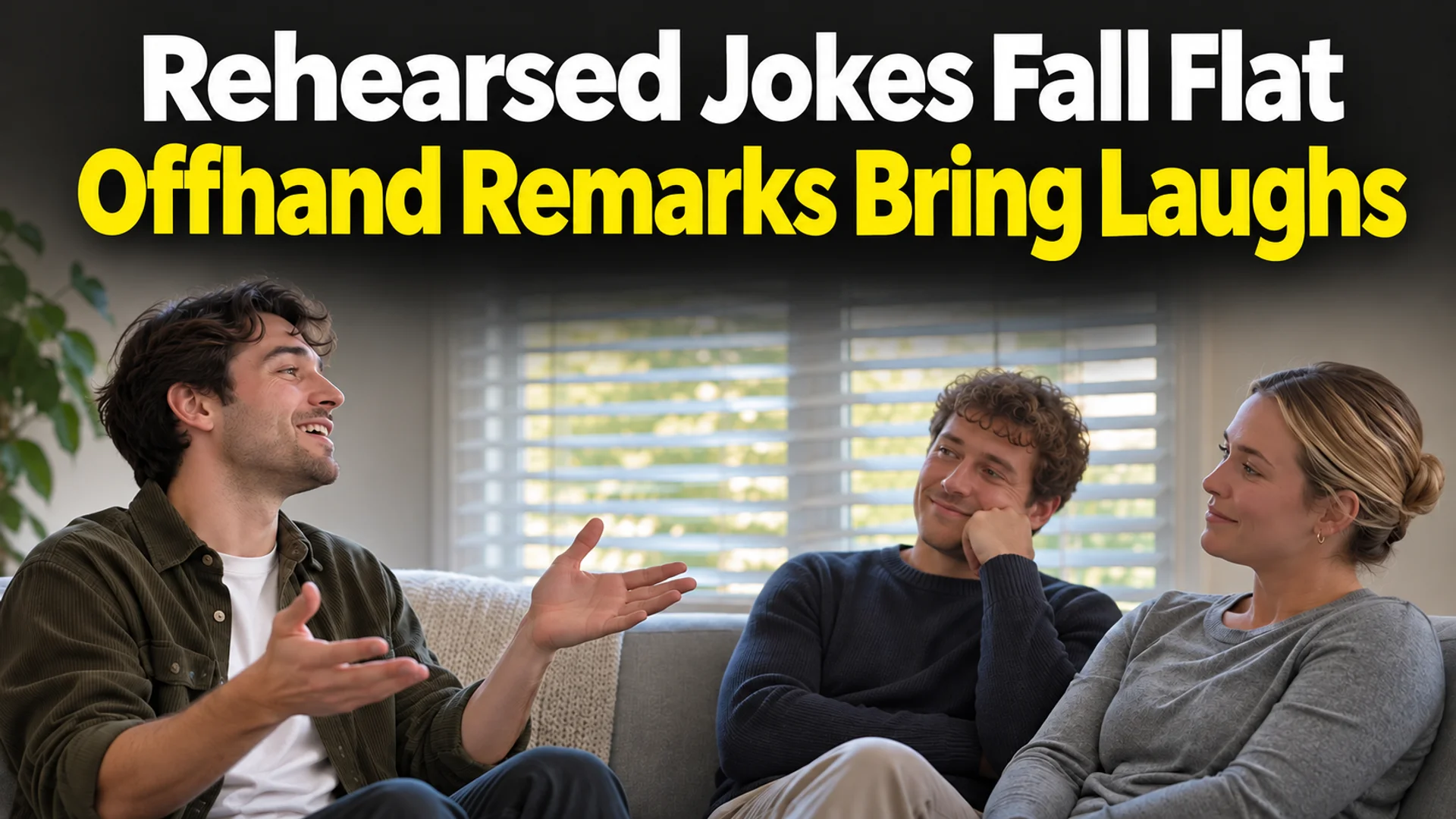
You have probably had the experience of confidently delivering a well-practiced joke only to be met with a cold reaction, only for a friend’s casual remark a few minutes later to send everyone into fits of laughter. This difference is not due to a lack of 'quality' in the joke itself or a deficiency in the speaker’s sense of humor. Laughter is determined not just by the content of the words, but by the situation in which those words are placed, the manner in which they are delivered, and the psychological engagement of the listener. For humor to actually provoke laughter, the listener must encounter an unexpected connection, there must be room for the listener to fill in the gaps themselves, and the speaker’s tone must blend naturally with the situation. Prepared jokes, delivered by memorizing fixed text, easily disrupt all three of these conditions simultaneously. Drawing on materials that analyze the mechanisms of humor, psychological research, and community examples, this article will examine specifically why prepared jokes fall flat and why impromptu remarks spark laughter.
Unexpected Connections and Surprise
jwynia, author of the GitHub document 'Joke Engineering' which analyzes humor as a system, views jokes as a process of connecting different concepts and resolving that connection. From this perspective, a key metric is the semantic gap between the two concepts, or the 'connection distance.' If this distance is too short, the listener anticipates the punchline and feels bored; if it is too far, the listener fails to understand the connection altogether. Humor works only when it finds the optimal distance that delivers surprise while remaining understandable. The document explicitly identifies excessively short connection distances, which lead to predictability, as one of the failure patterns that cause boredom, and recommends providing surprise through unexpected frame shifts 1.
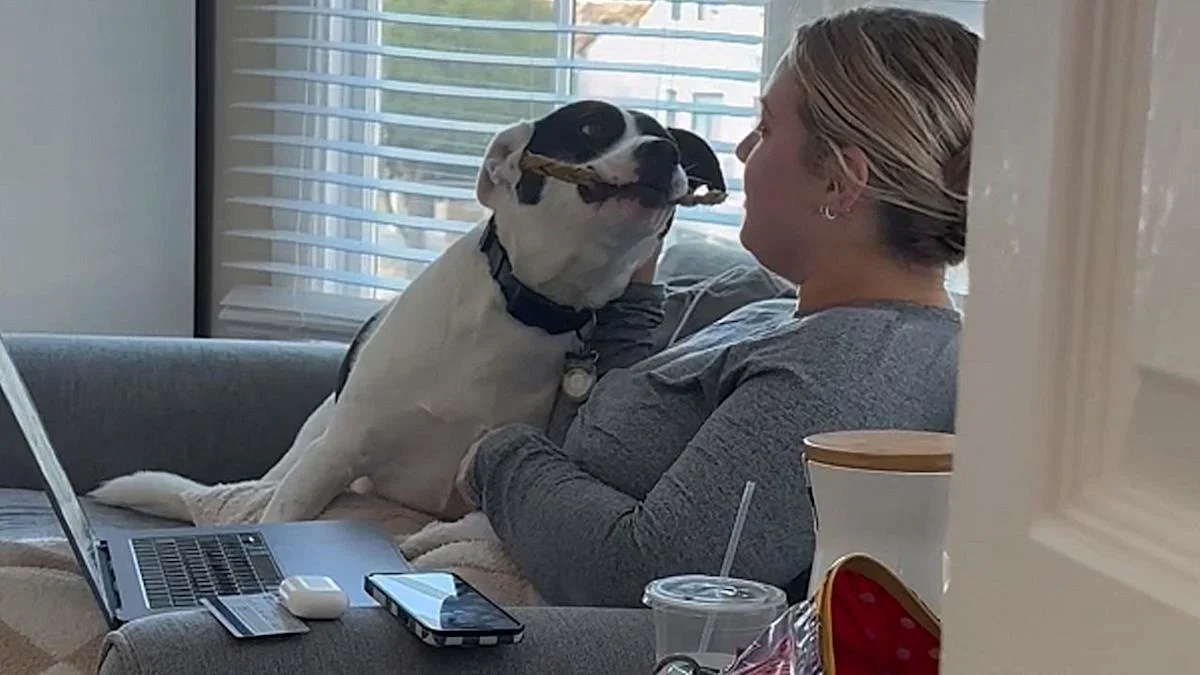
The principle that unpredictability and timing provoke laughter is easily observed in animal-related content. In community cases compiled by AOL, a user named Wildnet explained that humor is enhanced by unpredictability because animals do not follow human expectations and social rules, adding that moments become funnier when timing aligns 2. For example, a dog suddenly shoving its face into the screen during a video call turns a potentially mundane scene into something funny through the misalignment of an unexpected moment. If the same dog performed tricks in a set order like a scripted animal show, this humorous effect would disappear. The reason prepared jokes fall silent can also be found here: because the words are delivered in a state that the counterpart can already predict, no surprise is generated.
In an online experiment conducted by Wabnegger and Schienle, extreme metal fans reported lower disgust and higher amusement when viewing disgust-inducing images and album covers compared to non-fans. The authors explicitly noted that while this effect appeared consistently across visual disgust stimuli, it was of moderate magnitude. Interestingly, this suggests that even when encountering the same object, laughter can arise if context and prior experience shift the emotion from 'threat' to 'play.' The same applies to the expectations and experiences present at the moment humor is delivered. When the flow is already obvious, even the same content does not produce laughter 3.
The Gap That Requires the Listener to Complete It
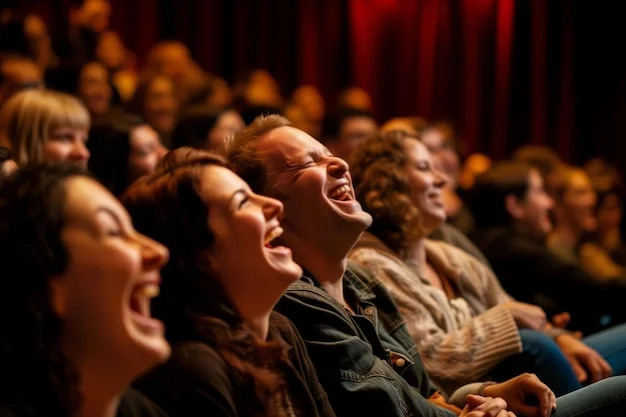
To provoke laughter, it is necessary for the audience’s interpretation to intervene, not just the speaker’s words. jwynia points out that for humor to succeed, a 'Co-Creation' space must remain where the listener can complete the conceptual connection themselves 1. If the meaning of the punchline is fully explicit, the cognitive reward of weaving the two concepts together in the listener’s mind—the "aha!" moment of surprise—does not occur. The document analyzes that deliberately omitting parts of the connection to secure space for audience participation is the key to keeping laughter alive 1.
Theoretically, the act of memorizing and delivering an entire joke book completely extinguishes this co-creation space. The moment the speaker explicitly spills out all the connecting links, including the punchline, there is no room left for the audience’s imagination to intervene. The vibrancy of laughter comes not from the rigid sentence structure set by the speaker, but from the unpredictable variable of the audience filling in the gaps with their own experiences or interpretations. The reason everyone laughs at a friend’s casual remark is that the audience instantly connects the context of that moment with the gap inherent in the words, gaining cognitive reward.
The Speaker’s Tone and Forced Delivery

Finally, an important condition is the speaker’s tone. The 'Joke Engineering' document diagnoses that humor sounds forced when the language is unnatural and when prepared humor does not align with the speaker’s usual perspective or voice 1. If complex vocabulary or structures taken from a joke book are read in a tone that is not the speaker’s usual manner of speaking, the words and style clash with the natural patterns the audience expects from the speaker, hindering audience immersion.
Interestingly, even the author who designed this diagnostic tool clearly acknowledges the limitations of his own framework. The document’s anti-pattern section warns that excessive analysis destroys the lightness of casual humor, declaring 'Spontaneous Wit'—the most natural and impulsive form of laughter—to be outside the scope of this tool 1. The author asserts, "Too much analysis kills it." Even before a tool designed to systematically design and improve humor, the designer himself acknowledged that the funniest remarks naturally emerge without predetermined calculation.
Shared Timing and Relationships

Prepared jokes fall silent not because the content itself is bad. This is because the act of clearly reading aloud pre-fixed text 1) creates predictable connections, 2) eliminates the co-creation space, and 3) forces a forced tone. Conversely, the reason an impromptu remark that pops out a few minutes later provokes laughter is that the timing of that moment aligns perfectly with the counterpart’s reaction, the speaker’s usual tone is maintained, and the listener is enabled to interpret the gaps themselves.
In reality, laughter is not simply the phenomenon of funny text being transferred to an audience. LaughMD explains that shared clinical humor strengthens team cohesion, and sharing a lighthearted moment with colleagues after a difficult session creates a recovery period for restoring emotional balance 4. Impromptu laughter becomes warm, relational laughter only when the surprise of the misalignment in this present moment, the audience’s cognitive participation, and a natural voice are in harmony. This is why a casually thrown remark made while chiming in on a friend’s joke produces far more successful results in terms of both laughter and relationships than perfectly memorizing and delivering a fixed script.