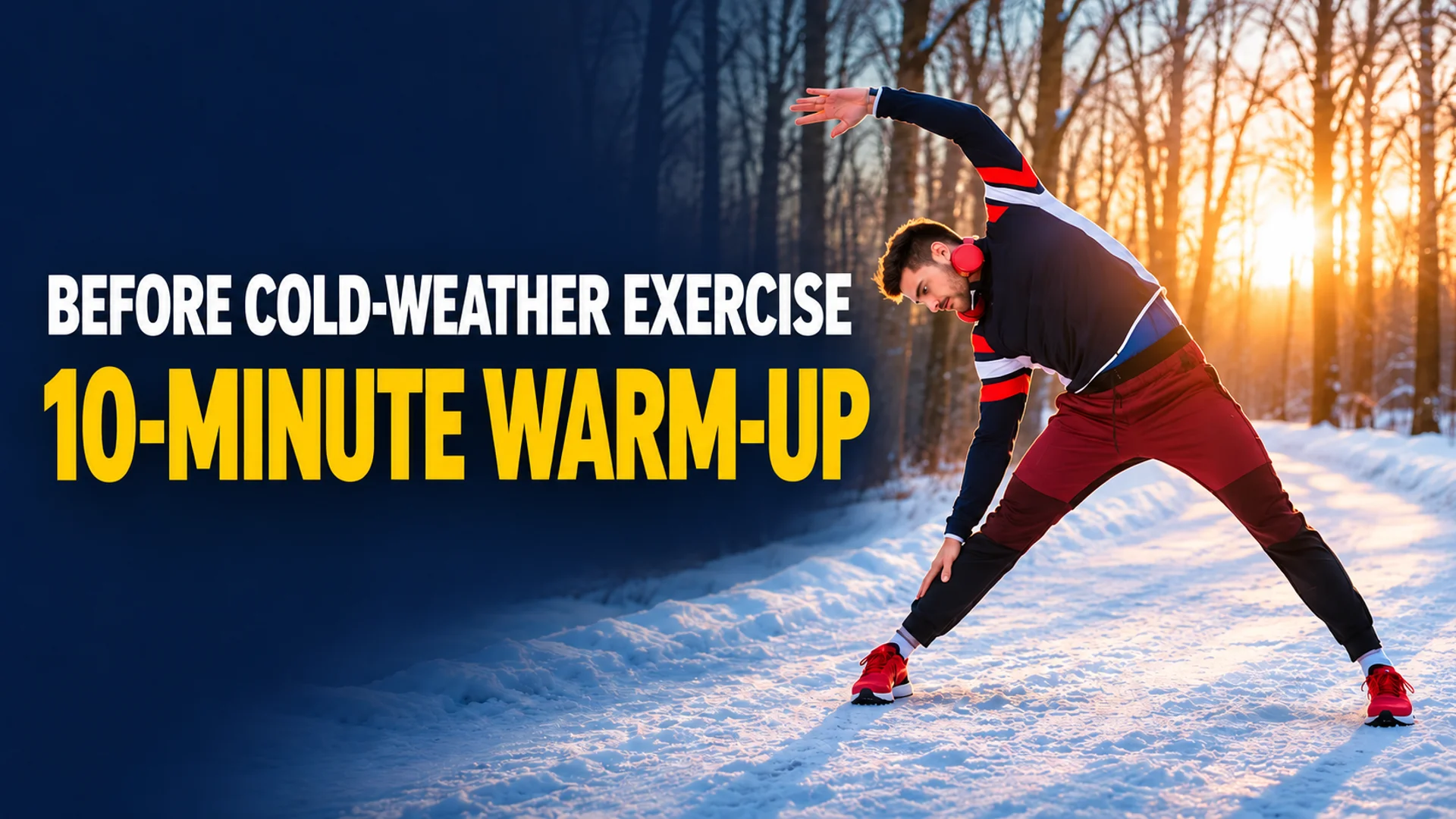
As autumn deepens and winter approaches, the body automatically initiates thermoregulation. The problem is that this defense mechanism can actually increase the risk of injury during exercise. When temperatures drop, blood vessels constrict, muscles and joints become stiff, and the range of motion decreases, resulting in physiological changes 1. In particular, hypothermia slows down the body's metabolic rate, hindering blood circulation and causing muscle stiffness, which impairs exercise performance and increases the risk of muscle injuries 2, 1.
To ensure exercise safety and efficiency in such conditions, it is recommended to begin exercising only after sufficiently loosening muscles and joints through at least 10 minutes of stretching and warm-up 3. Adequate warm-up relaxes muscles stiffened by the cold and reduces sudden strain on the heart, thereby helping prevent injuries and fatigue that may occur during exercise 2.
Physiological Effects of Cold on Muscles and Joints
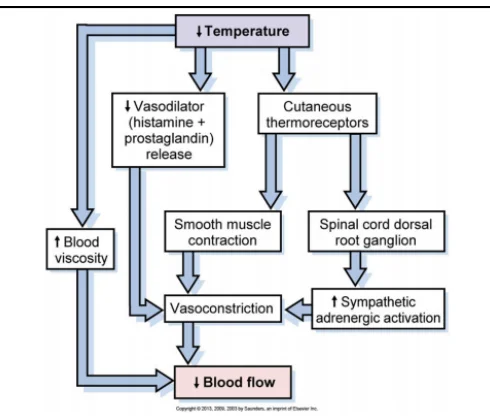
When the weather turns cold, the human body strongly constricts peripheral blood vessels to prevent heat loss. This process can raise blood pressure, putting strain on the heart, and restrict blood flow to exposed areas 1. As blood from the skin shifts to internal organs such as the brain and heart, exposed parts like the hands, feet, and ears become more susceptible to frostbite 2.
Muscles and joints with restricted blood flow and lower temperatures become physically stiff. This reduced range of motion can exacerbate muscle or joint pain and increase the risk of falls and fractures 1. Under these conditions, applying sudden force or making excessive movements can cause muscles with reduced flexibility to tear or strain the joints.
Impact of Structured Warm-ups on Injury Prevention
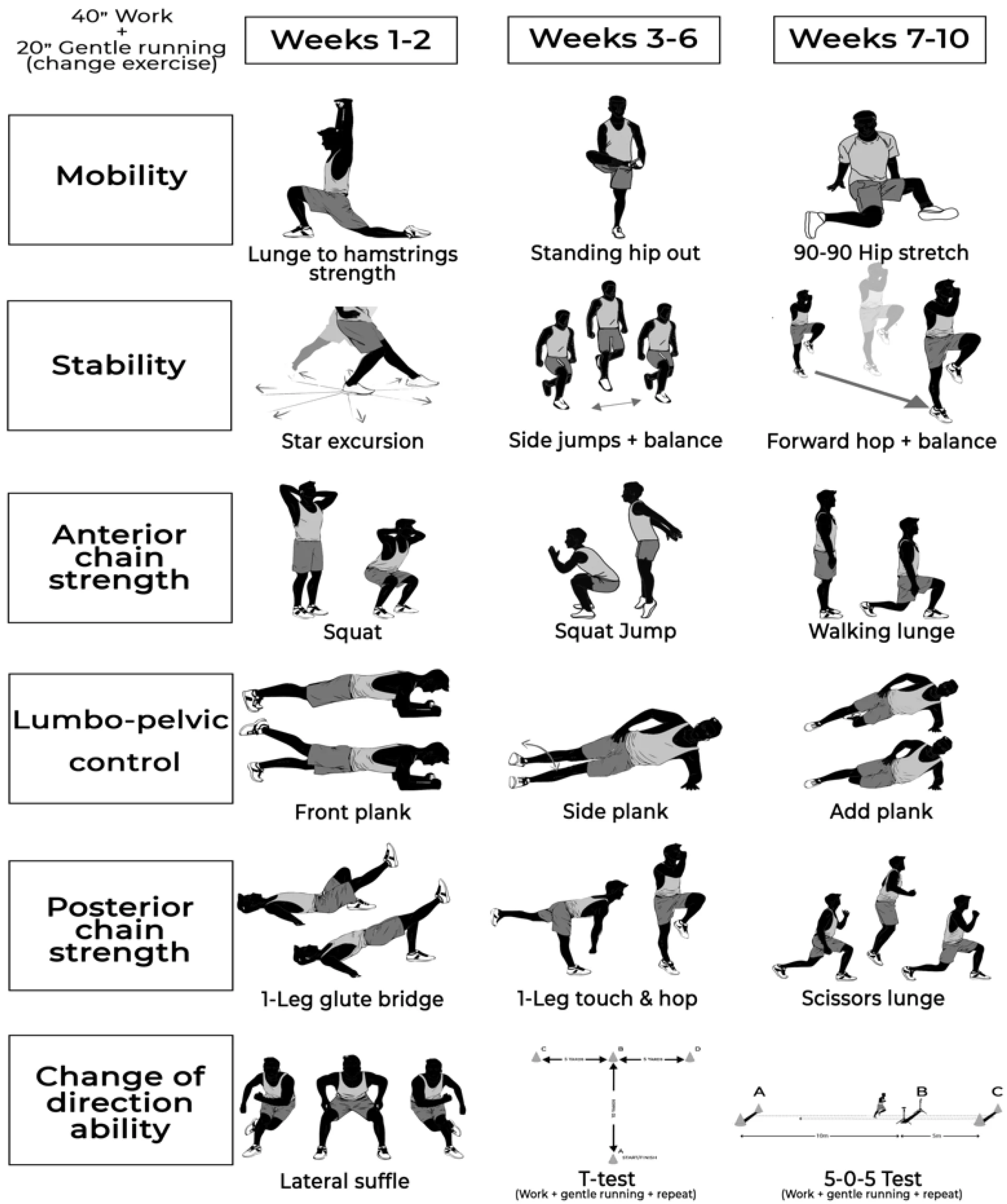
A minimum of 10 minutes is a critical time frame for raising muscle temperature and restoring range of motion. However, studies suggest that in terms of injury prevention, a structured program aimed at improving neuromuscular control and strength yields greater effects than simple stretching alone.
According to a study by Mandelbaum et al. (2005), female athletes who performed the PEP (Prevent Injury and Enhance Performance) program had an ACL injury rate approximately 74% lower than that of the control group 4.
Practical Guide: 3-Step Dynamic Warm-up Protocol to Lower Injury Risk
Before exercising in cold environments, an efficient sequence is necessary to activate muscles and prepare for injuries within the limited 10 minutes. Based on the components of previous neuromuscular training programs (dynamic warm-up, strength, plyometrics), a 3-step protocol is proposed 4, 5.
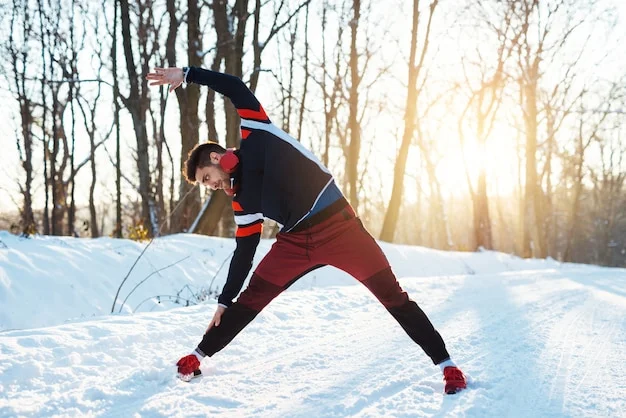
Step 1: Dynamic Warm-up and Raising Body Temperature (approx. 4 minutes) Instead of static stretching (lengthening motions), prioritize dynamic movements to raise body temperature and widen the range of motion in joints. Start with marching in place, then perform high knees, butt kicks, and side shuffles. The purpose of this step is to restore reduced joint range of motion and supply blood flow to muscle tissues to ensure flexibility 4.
Step 2: Strength Reinforcement and Activation (approx. 3 minutes) Focus on activating the glutes and hamstrings to prevent lower-body injuries. Through exercises like hip thrusts (glute bridges) or lunges, prevent the knee valgus pattern (collapse of the knee inward) and send signals to the muscles responsible for lower-body alignment. The key is to awaken the posterior chain so as not to overly rely on the quadriceps (thigh muscles) 4.
Step 3: Plyometrics and Learning Landing Techniques (approx. 3 minutes) Finally, train the mechanism by which bones and joints absorb landing impact through low-intensity jumping movements. Perform exercises such as jumping twice with feet together in place or jumping briefly and softly forward and backward. At this stage, self-checking whether the knees are aligned with the toes upon landing and whether the knees are softly bent to disperse impact ('landing technique cueing') is crucial 4. Silent landing is an effective feedback method for enhancing impact absorption capability 4.
Practical Tips for Consistency and Environmental Management
No matter how good a warm-up routine you create, its effectiveness is limited if you cannot control the variables of the winter outdoor environment. Instead of raising exercise intensity excessively, allow your body time to adapt. Previous studies indicate that neurological relearning of landing techniques and improvement in strength balance tend to be observed through consistent training for 6–8 weeks or more; therefore, it is important to maintain this as a habit rather than a short-term event 4.

Management before and after exercise is just as important as the warm-up. It is advisable to loosen muscles and joints indoors with adequate warm-up before heading outdoors 2, and you must always change into dry clothes after activity, as leaving wet clothes on increases heat conduction, causing a rapid drop in body temperature 2, 1. Additionally, when body temperature drops, the body shifts blood from the skin to internal organs to maintain heat, so particular care must be taken to keep the hands, feet, and ears warm 2.
In autumn and winter, when the perceived temperature drops sharply, the '10-minute body temperature maintenance rule' is not a complex technique. It is the minimum courtesy our bodies require to reopen the reduced range of motion in joints and avoid injuries caused by muscle stiffness. Simply securing 10 minutes before starting exercise using the 3-step protocol can help lower the risk of muscle tears and injuries.
References
- 겨울철, 체온 유지 | 국민건강지식센터 · hqcenter.snu.ac.kr↩
- 겨울철 운동! - 어떻게 하면 좋을까요? | 학습자료 | 알아봐요 : 케미스토리 · eco-playground.kr↩
- 가을 겨울 온도별 런닝/달리기 복장과 꿀팁, 주의사항! 시원하게 달려 보시죠!! · m.blog.naver.com↩
- 여성 선수 ACL 부상, 남성보다 2~8배 잦은 이유 · research.cirius.or.kr↩
- ↩