Considering that wearable technology has ranked highly in the ACSM trends report and that survey results show the rate of regular exercise among Korean adults is below 50%, a low-intensity exercise paradigm that is sustainable in the long term is gaining attention 1, 2.
The Era of Exercise Burnout: A Paradigm Shift from 'Ounwan' to 'Recovery'
With concerns rising that the rate of people experiencing exercise burnout due to excessive fitness obsession has increased by more than 34% year-on-year, the risks of high-intensity exercise are being revisited 1.
This accumulated fatigue has led to discontinuation of exercise. The issue of regular exercise participation rates among Korean adults falling below 50% may not simply be a result of lack of willpower, but rather the body's rejection response to unsustainable exercise intensity 2. Accordingly, the core keyword in the recent fitness market has shifted to 'sustainability.' As evolution occurs toward a method that reduces injuries and finds pleasure in exercise itself, the past culture of high-intensity achievement proofs is fading, and long-term sustainable exercise has become the mainstream 2.
Definition and Practice Criteria for Low-Intensity Long-Duration Walking
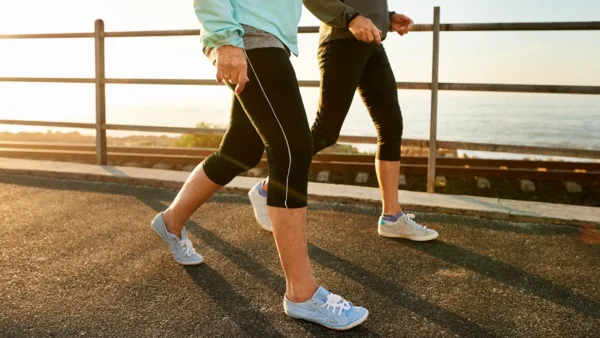
Low-intensity long-duration walking is a low-impact aerobic exercise that replaces running, involving the process of transforming daily walking into purposeful, planned exercise 3. Compared to running, walking has a structural advantage of reducing the risk of injury due to lower impact on joints 3.
This generally corresponds to low-to-moderate intensity levels, which are 50–70% of maximum heart rate. Rather than pushing hard from the start, it is recommended to begin with 10–20 minutes and gradually extend the duration to over 20–30 minutes 3.
Physiological Mechanisms of Low-Intensity Walking: Sympathetic Nervous System Stability and Resilience
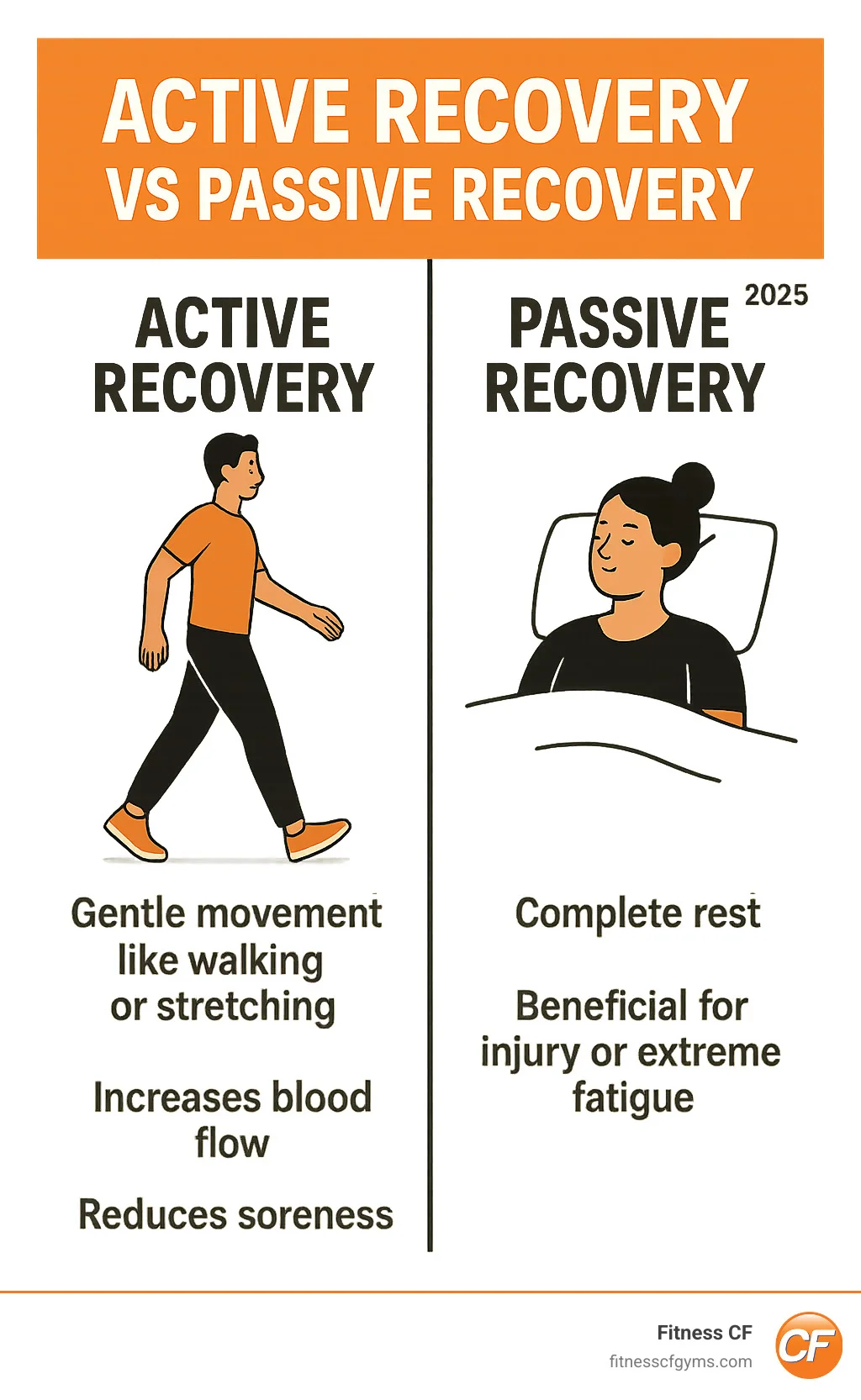
The primary reason low-intensity walking is gaining attention is its role as 'active recovery.' The perception has spread that promoting blood circulation and aiding lactic acid excretion through light movement, rather than complete static rest, is more effective for muscle regeneration 1. Walking activates the parasympathetic nervous system, lowering levels of the stress hormone cortisol, which in turn helps restore immunity and sleep quality 1.
One blogger reported that after introducing a thrice-weekly active recovery routine, smartwatch measurements showed that deep sleep duration increased from an average of 40 minutes to 1 hour and 20 minutes 1. This suggests the potential benefits of recovery-centered exercise in stabilizing the nervous system fatigued by high-intensity training and restoring bodily functions 1.
On the Ground: Walking Culture Spreading Through Public Health Infrastructure
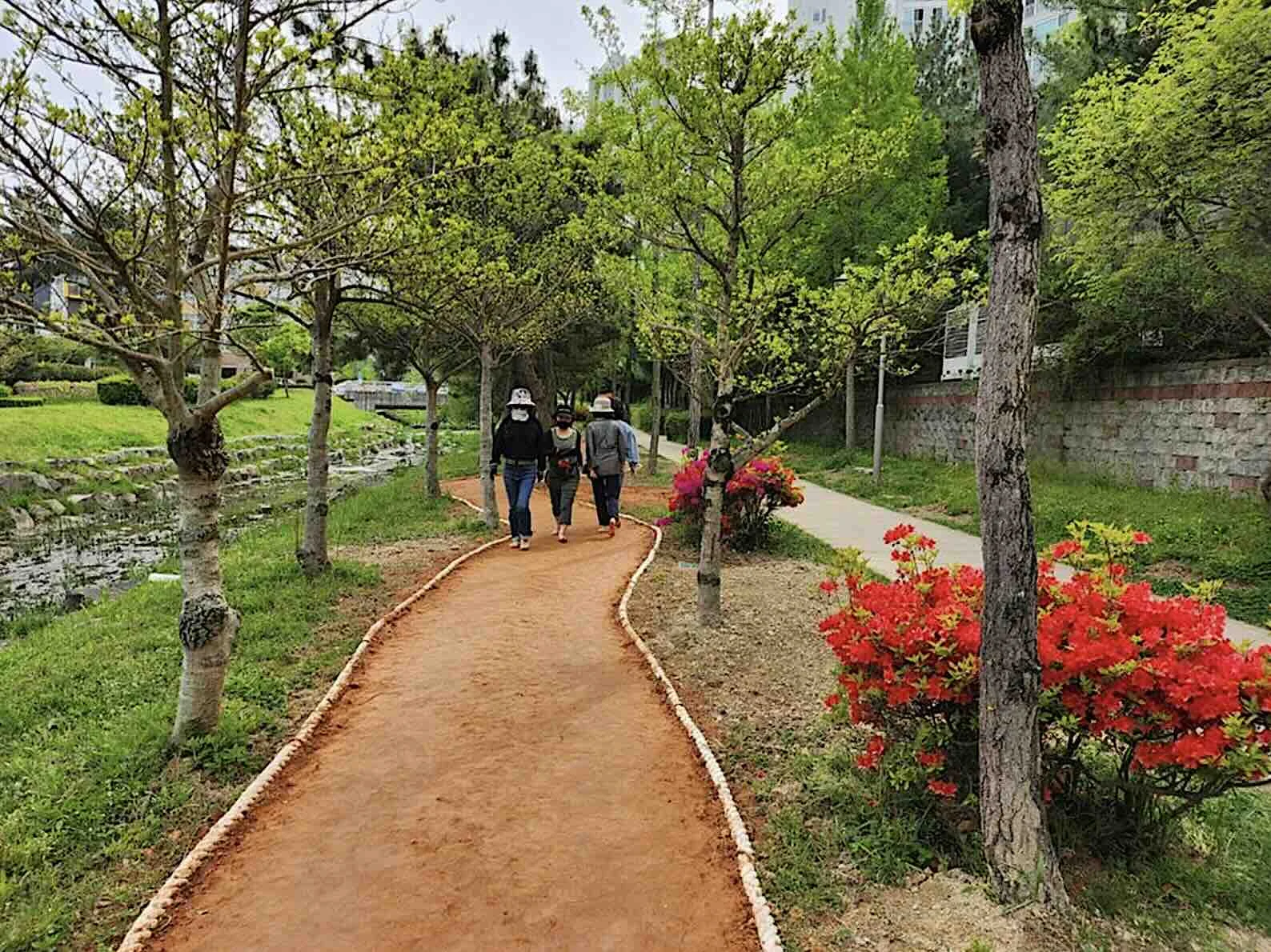
The low-intensity walking trend has emerged as an alternative to indoor exercise, spreading particularly in conjunction with community public infrastructure.
| Project Name | Main Content and Features | Goals and Expected Effects |
|---|---|---|
| 1530 Walking Project | Recommends walking for 30 minutes or more, at least 5 days a week | Cardiovascular strengthening, improved blood circulation, formation of healthy habits |
| Mobile Walk App | Real-time step count tracking and incentives upon mission completion | Motivation and participation encouragement through digital technology |
| Training Walking Leaders | Instruction on proper walking posture and establishment of village trail infrastructure | Injury prevention and creation of safe exercise environments |
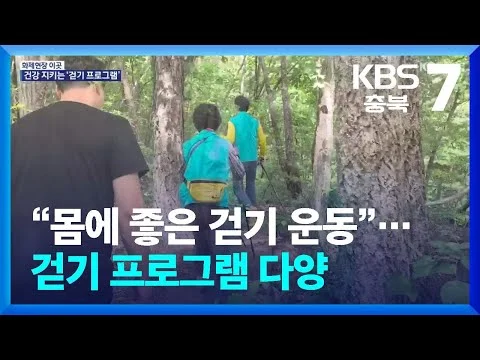
Notably, in the mountain villages of Boeun County, following barefoot walking training provided by the local public health center in 2025, residents formed groups that walk trails for about 1 hour and 30 minutes to 2 hours per gathering 4. This phenomenon is praised as a case that maximizes the advantages of walking exercise, which is easily accessible to anyone without complex equipment or high costs 4.
Techniques to Maximize Exercise Effects with Proper Form
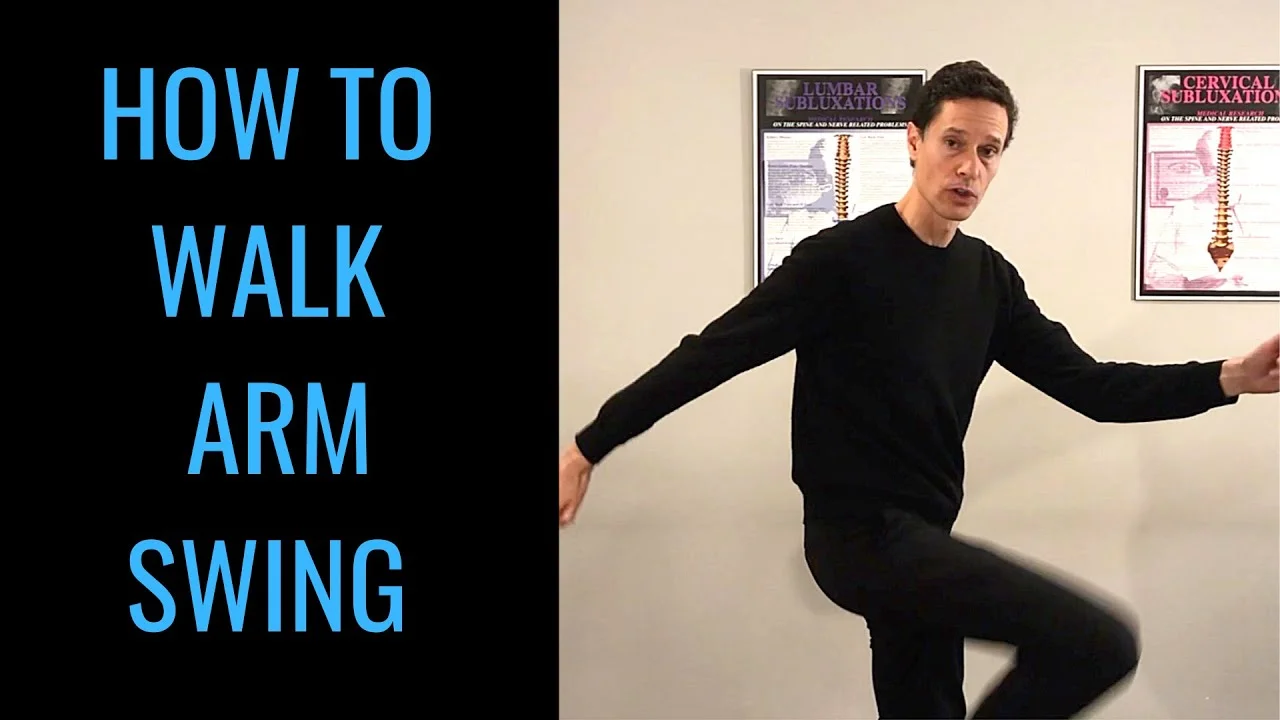
The point that distinguishes low-intensity walking from a 'light stroll' lies in clear technical requirements. First, one should increase stride frequency rather than forcibly lengthening stride length. This is because excessive stride expansion generates braking forces, increasing unnecessary momentum on lower limb joints 3. Second, bending the elbows naturally and swinging the arms front and back can reduce metabolic cost 3. Third, keeping the upper body relaxed and allowing the feet to roll smoothly off the ground is key 3.
Recommendations for Sustainable Fitness
References
- 2026 운동 트렌드 바뀐 이유, 3가지 핵심만 | 트렌드줌 | 최신 트렌드 모음 · dmazone.github.io↩
- 2026 운동 트렌드 총정리 - 여름 운동 추천과 지속가능 피트니스 가이드 - Reads * JackerLab · reads.jackerlab.com↩
- 피트니스 워킹 자세: 빠른 걷기를 운동으로 바꾸는 법 · superage.app↩
- [화제현장 이곳] “몸에 좋은 걷기 운동”…걷기 프로그램 다양 / KBS 2026.02.11. · youtube.com↩