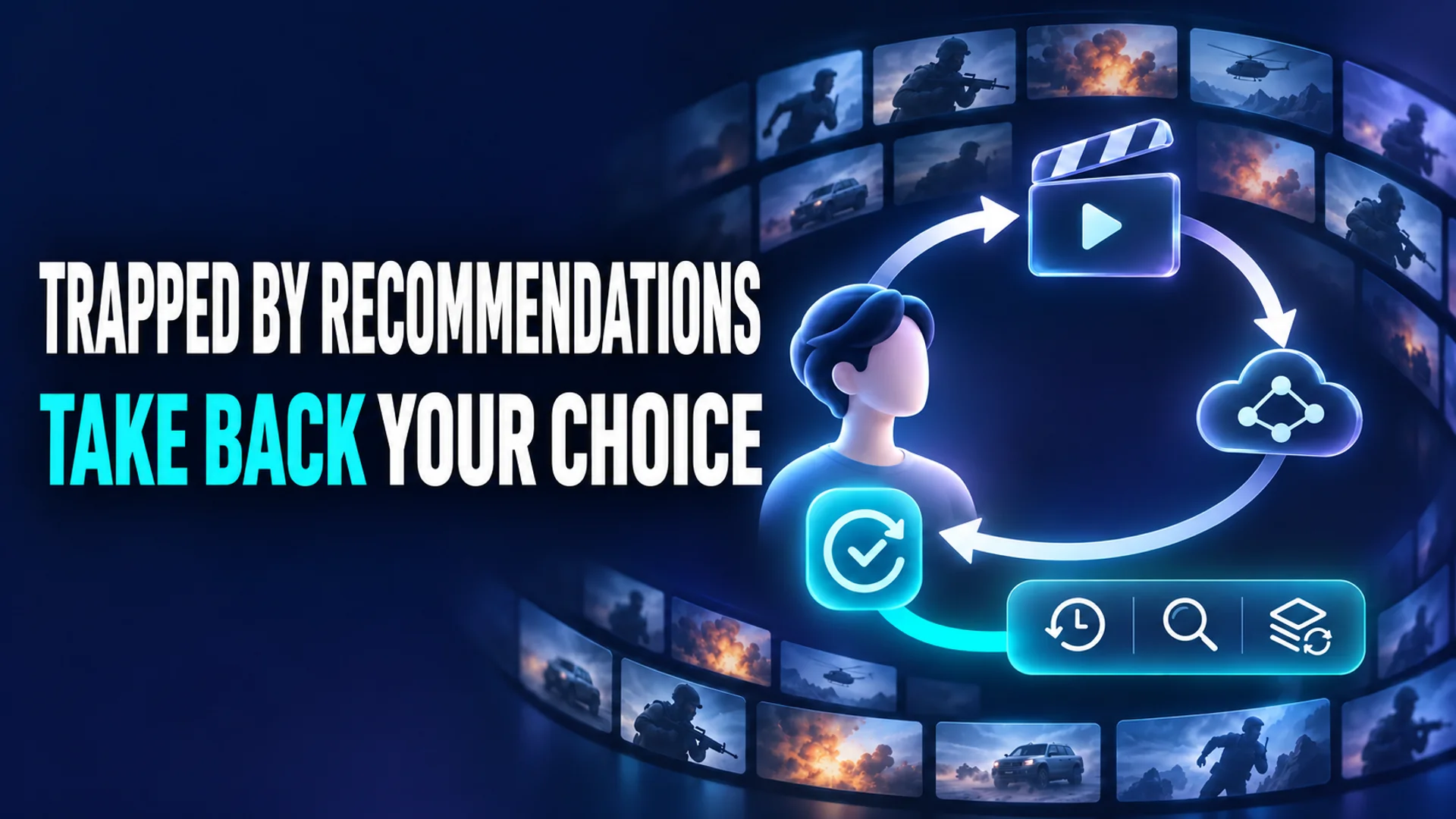
Is falling OTT subscription fees an obvious boon? As of the second half of 2026, the emergence of subscription-sharing platforms like GamsGo has made it possible to access Disney+ Premium for KRW 3,900 per month and Netflix Premium for KRW 4,000–5,000 per month 1. The combination of plans discounted by roughly 70% compared to official prices and viewer fatigue with 'Streamflation' (Streaming + Inflation) has created an environment where viewers can easily maintain multiple platform subscriptions 2, 1.
However, these lowered barriers to entry can act as a mechanism that distorts our 'tastes.' An environment where multiple OTTs are easily accessible deepens 'package dependency,' in which people unconsciously rely on specific platforms' recommendation lists 2, 1. In particular, if viewers passively accept recommendations without understanding the biases in each platform's algorithmic suggestions and settle for the discounted prices, the discovery of new content is hindered, increasing the risk of getting stuck in similar existing genres 3.
This article examines the 'Streamflation' trap of maintaining subscriptions solely because they are cheap and proposes a concrete 'algorithm-bypass viewing strategy' to regain autonomy over personal tastes, based on the distinct algorithmic biases of Netflix, Disney+, and TVING.
'Package Dependency' and Streamflation Fueled by Cheaper Subscription Fees
Discounted plans and subscription-sharing platforms offer clear efficiency in terms of household spending. By subscribing to Netflix, Disney Plus, and YouTube Premium all at once through GamsGo, users pay approximately KRW 11,400 instead of the total official cost of KRW 45,800, saving over KRW 34,400 per month 1. This dramatic cost-saving effect triggers 'Streamflation,' encouraging consumers to casually maintain subscriptions without canceling them 2, 1. In other words, it lowers the psychological barrier with the mindset of 'it's not much money,' thereby solidifying unnecessary expenses.
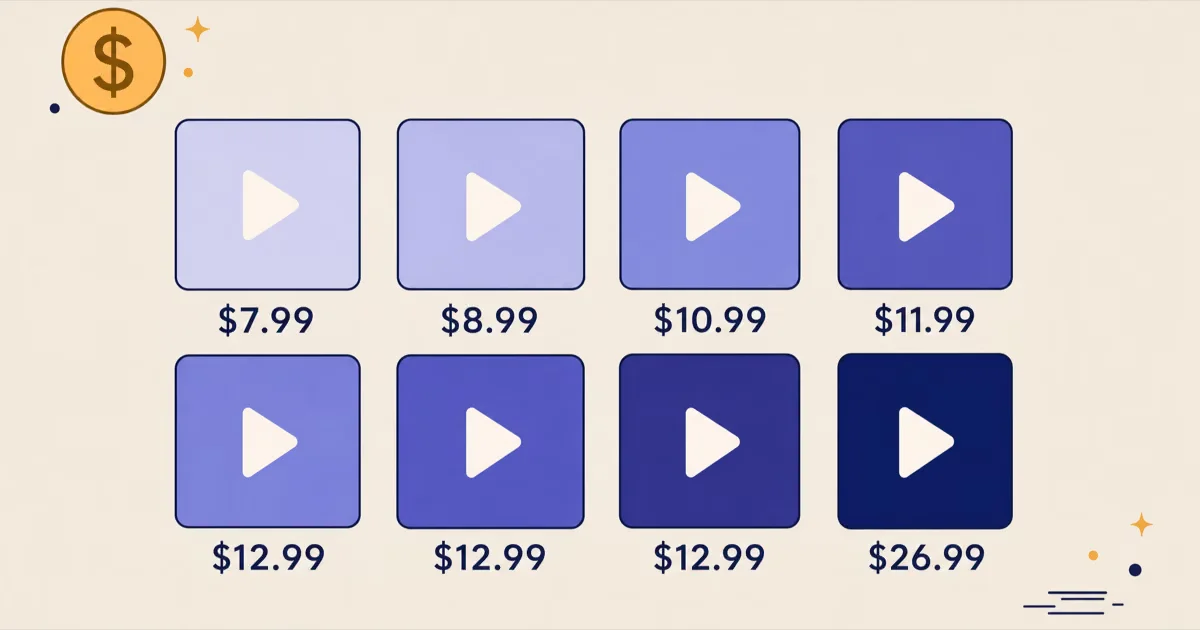
The problem lies in the fact that this cheapness strips away agency from content selection. When faced with 'recommendation bias,' where suggestions skew heavily toward specific platforms' IPs or popular content, users who have already accepted the discounted price and paid are more likely to simply follow the recommendations as they are 2, 1, 3. Once viewers settle into the discounted price and unconsciously accept recommendations, their tastes ultimately become locked into the direction intended by the platform 3.
| Platform/Service | Official Premium Fee (As of 2026) | Fee via Sharing Platforms (e.g., GamsGo) | Savings Effect |
|---|---|---|---|
| Netflix | KRW 17,000/month | KRW 4,000–5,000/month | ~70% |
| Disney Plus | KRW 13,900/month | KRW 3,900/month | ~72% |
| YouTube Premium | KRW 14,900/month | Mid-2,000 Won range/month | ~86% |
| Source: OTT Premium Discount Guide 1 |
The Algorithmic Principles Behind Per-Platform Taste Lock-in
The reason viewers become locked into 'what the platform showed them' rather than what they chose is based on the differing algorithm designs and data utilization methods of major OTT platforms as of 2026 3. Because each platform tailors recommendations according to its business strategy, the more users rely on a specific platform's recommendation list, the more they lose the sharpness of their tastes in different directions 3.
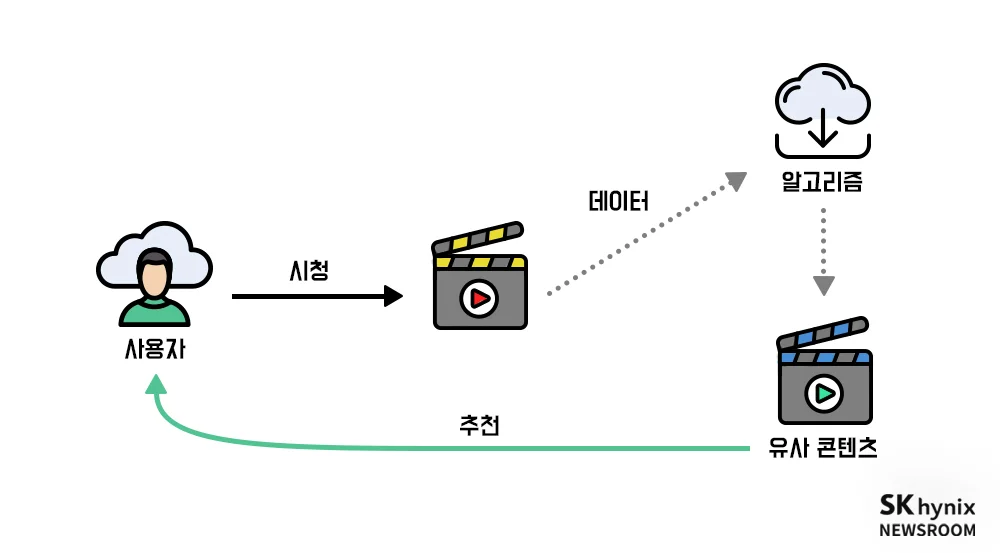
Netflix's algorithm focuses on 'personalized recommendations' based on viewing history, ratings, and watch time 3. While this is advantageous for instantly targeting user preferences, it results in the infinite repetition of popular content or similar genres, making the discovery of new releases difficult 3.
Disney+'s algorithm adopts a strategy that prioritizes exposing content centered on its own IPs and franchises, such as Marvel and Star Wars 3. While this may be optimized for fans of specific brands, the recommendation list concentrates only on specific series, limiting the overall diversity of content 3.
TVING's algorithm heavily reflects domestic user data, real-time trends, and broadcaster-linked content 3. While very useful for quickly identifying the latest popular content, it creates a bias toward local characteristics and broadcast-based content, potentially narrowing the user's broad genre perspective 3.
These biases are the result of three algorithmic elements—viewing history, content similarity analysis, and real-time reactions—operating in combination 3. Since algorithms struggle to remain completely neutral, fully benefiting from the 'advantages' of discounted plans requires an accurate understanding of each platform's operating principles 3.
A 3-Step Algorithm-Bypass Strategy to Break 'Package Dependency'
Analyzing algorithmic bias is not only useful for creators and marketers. To maximize satisfying content consumption by leveraging platform strengths, viewers must move beyond passive reliance on recommendations and actively utilize search and curation features 3. The step-by-step algorithm-bypass strategy to regain control over personal tastes, beyond mere subscription cost savings, is as follows.
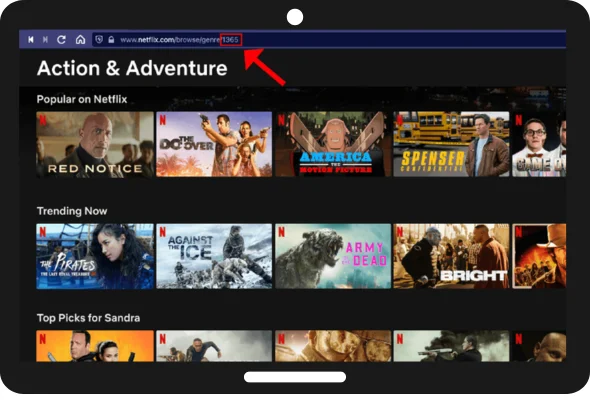
Step 1: Decoding Recommendation Lists and Expanding Horizons
Rather than accepting the recommendations handed to you by the platform, you must actively search for content, considering each platform's characteristics.
- Bypassing Disney+: When specific franchises like Marvel fill the recommendation list, use the hide function on those recommendations if you are not interested in that brand's IP, preventing the algorithm from getting trapped within that specific IP 3.
- Bypassing TVING: If recommendations skewed toward broadcast-based content and real-time trends (popular rankings) are repeated, actively explore diverse overseas genres beyond variety shows or domestic dramas by using category filters instead of the main screen 3.
Step 2: Resetting and Managing Viewing History
This strategy is particularly applicable to Netflix. Since Netflix repeatedly exposes similar genres based on viewing time and rating data, accumulated viewing records are the biggest obstacle to discovering new releases 3. Therefore, it is essential to periodically manage and clean up viewing history to reset the algorithm's learning baseline itself 3.
Step 3: Subscription Rotation Centered on 'Killer Content'
Even with maximum discounts, subscriptions are meaningless if there is nothing to watch. Rather than keeping platforms enabled that you only use once or twice a month, you should implement subscription rotation (rotating subscriptions) by subscribing temporarily only when specific killer content is released 2, 1. This prevents being tied to 'cheap prices' and subservient to platform recommendations, restoring the agency to consume content of one's own choosing 2, 1.
Completing Cost Savings: A Transition to 'Active Viewership'
Ultimately, in the second half of 2026, the phenomenon of OTT subscription discounts lightens consumers' wallets but simultaneously acts as a structural cause that leads users to unconsciously settle into algorithmic recommendation biases intended by platforms 2, 1. The very emergence of platforms like GamsGo, which are much cheaper than carrier discounts (typically 10–30%), does not provide unconditional benefits to consumers but rather raises the question of how wisely one can avoid the trap of recommendation bias 1.
Active consumption—understanding algorithmic bias, periodically managing Netflix viewing records, utilizing Disney+'s hide function, and navigating TVING's filters 3—holds more essential value than mere cost-saving strategies. In the end, understanding recommendation bias will be the key to maximizing the content consumption experience by leveraging each platform's strengths in a discounted-price environment, beyond simply alleviating the discomfort of viewing 3.
References
- OTT 요금 할인 2026: 겜스고로 스마트하게 구독하는 꿀팁 - OTT 프리미엄 할인 가이드 · ott-market.com↩
- OTT 구독료 절약 방법 2026: 월 1만원 아끼는 꿀팁 3가지! - 스트림픽 · w-magazine.co.kr↩
- OTT 추천 작품 편향 현상과 플랫폼별 차이점 비교 분석 – 지식한칸 · hinfty.com↩