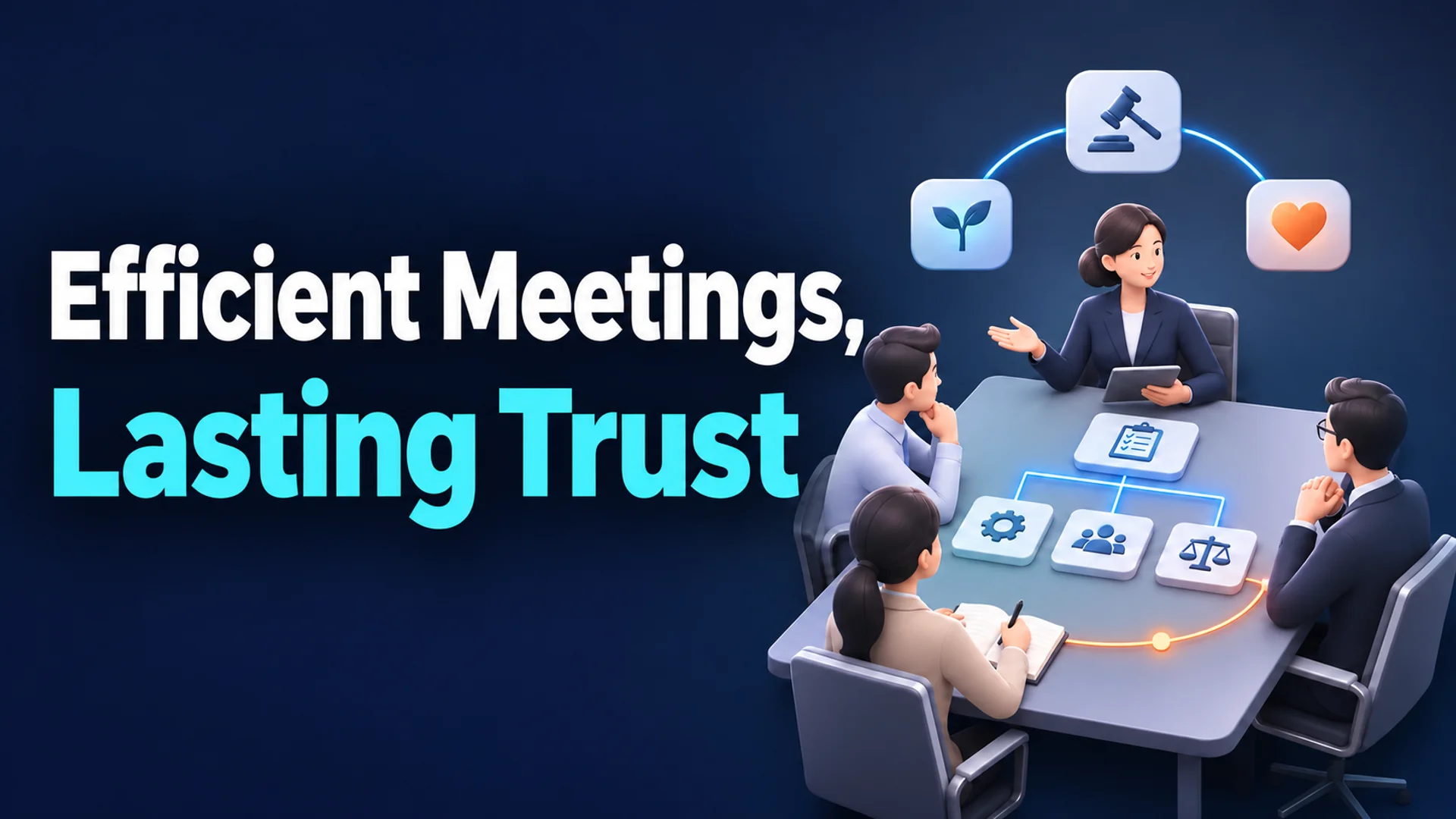
On the topic of diagnosing a workplace “comedy style” and building trust, currently verified materials focus on the characteristics of ESTJ (Executive) professionals among MBTI personality types and the interpersonal risks they encounter. The analysis examines how a specific type that prioritizes clear role division and efficiency—rather than gaining trust through humor or light jokes in meetings—may instead cause friction within teams, and how these issues should be managed.
Types That Build Trust Through “Role Division” Instead of a “Comedy Style”
Generally, office workers believe that appropriate humor and soft communication styles during meetings contribute to teamwork and trust building. However, analysis of MBTI personality test results shows that ESTJ-type professionals naturally organize roles during meetings or project progress even without an official title. The core of this type is “clarity” and “efficiency” 1.
They show a tendency to prioritize resolving ambiguous situations or plans. The approach of immediately organizing roles and providing answers when someone asks, “Who is going to do this?” during a meeting, makes them perceived as the most reliable members within the team 1. In other words, substantial results and systematic progress act as the primary sources of trust, rather than laughter or emotional coordination.
However, this progression style does not always positively affect all team members. Likened to characters who uphold systems and rules, such as Deputy Manager Kang from the drama Misaeng (Incomplete Life) or Ms. Kim from The Miracle, this type may experience unexpected interpersonal conflicts in the process of prioritizing efficiency 1. Let’s look specifically at the points where humorless coolness can become detrimental.
Risk 1: Hindering Team Member Autonomy and Inducing Passive Attitudes
The clear role division led by ESTJ-type professionals is a strength that sets the team's direction, but it also contains the risk of hindering team members' autonomy. Clearly assigned roles can prevent team members from feeling autonomous or make them passive 1.
Systematic management undertaken to gain trust can act as a factor hindering team members’ creative thinking or voluntary participation. It particularly tends to conflict with types like “quiet office colleagues.” This is because conflicting values—efficiency versus emotion, planning versus freedom—clash, causing conflict 1. If the leader continues to decide and assign everything, team members may lose the opportunity to develop their ability to judge and act on their own.

Therefore, in the process of building trust, it is necessary to check whether excessive discipline or clear instructions are stripping team members of their agency.
Risk 2: Authority Clashes and Friction with Actual Leaders
ESTJ-type professionals who proactively lead meetings may experience friction with actual team leaders or superiors. This is because proactively handling meeting progress and role division without an official title can lead the actual team leader to feel, “Do they not need me?” causing a clash in sense of authority 1.
This arises from the gap between the organization's formal hierarchy and informal leadership. Formal leaders want their roles and authority recognized, but the proactive movements of an informal leader can feel like an intrusion into that space. Such situations are major causes of cracks in trust relationships.

While gaining trust within the organization is important, consideration is needed on how that method harmonizes with the authority domains of superiors.
Risk 3: Accumulated Emotional Suppression and Sudden Explosions
If the process of automatically answering every question and organizing roles accumulates, it can become a point where stress explodes all at once later. This is also an important risk. ESTJ types are strongly plan-oriented, so they feel strong discomfort if there is no meeting agenda or if established plans fall apart 1.
If such discomfort is endured each time and emotions are suppressed for efficient progress, it will eventually explode when the limit is reached. This acts as an unpredictable variable for team members and can destroy already established trust. When a person who appeared cold and rational suddenly responds emotionally, surrounding colleagues may experience confusion.

Therefore, even while pursuing efficiency, efforts must be made to regularly check one’s emotional state and relieve stress at appropriate times.
Conclusion: Finding the Balance Between Trust and Efficiency
So far, based on MBTI personality test results, we have examined how the ESTJ type gains trust during meeting and project progression processes, and the three risks that may arise as a result.
- Hindered Autonomy: Clear role division can induce passivity in team members.
- Authority Clashes: Informal leadership may clash with the actual team leader's authority.
- Emotional Explosions: Accumulated stress can sever trust relationships.
This analysis highlights the tendencies of people who exercise substantial leadership within an organization even without titles, and the points they need to be cautious about. Ultimately, how they balance efficiency with human relationships appears to be a crucial variable for the long-term success and satisfaction of professionals of this type 1.

Ultimately, what matters is recognizing the trust-building methods that suit one’s own tendencies and considering how they affect others. Even if it is not laughter or soft communication, if one seeks to gain trust through clarity and efficiency, wisdom is needed to minimize the social costs that may arise in the process.
References
- 📋 역할 분담 명확히 하는 팀장 체질 | 직장인 공감 MBTI 심리테스트 결과 — 마인드 쿠키 (MindCookie) · mind-cookie.com↩