The weekly trends across economic and social ministries from November 2 to 6, 2026, can be grasped by focusing on key policy issues and industry-specific matters that drew attention during this period. The provided source material centers on core issues covered in major news during the week—such as the Czech nuclear power contract, physical AI regulatory improvements, financial market volatility, and cybersecurity—rather than detailed meeting schedules of specific ministries 1, 2.
This article summarizes, from a third-party perspective, how these key issues intersect with economic and social policies, and outlines the specific situations faced by the Ministry of Trade, Industry and Energy and related ministries.
Ministry of Trade, Industry and Energy Addresses Czech Nuclear Issue and Clarifies Stance on Investment in the U.S.
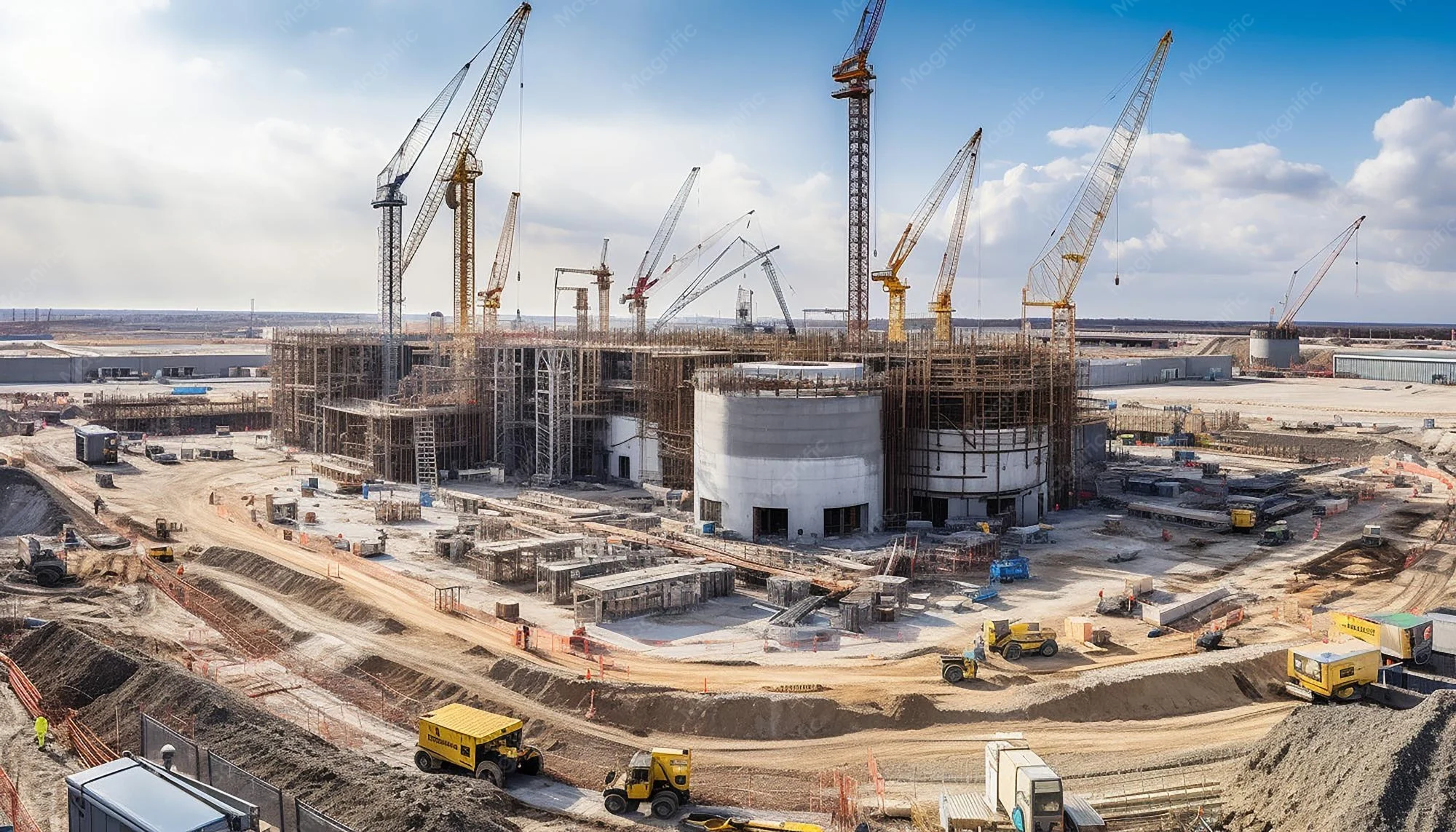
One of the most significant issues facing the Ministry of Trade, Industry and Energy during this week was the breakdown of the construction contract for the Czech nuclear power project. In response, the government immediately activated an emergency management system, emphasizing that the project would proceed without disruption 2. In particular, reports of disagreements between Daewoo E&C and Korea Hydro & Nuclear Power over cost-sharing issues raised the importance of transparency and leadership in advancing the project 2.
Additionally, regarding recent controversies surrounding the investment environment for Korean firms in the United States, the Ministry of Trade, Industry and Energy issued a clear position. The ministry rebutted claims that South Korea’s investment terms were less favorable than Japan’s, stating that they were “factually incorrect,” and emphasized that the revenue-sharing structure was, in fact, more advantageous 2. These statements provide important insights into the principles underlying the government’s external economic negotiation strategies.
Industry Calls for Improved Physical AI Regulations and Seoul City’s Collaborative Demonstrations
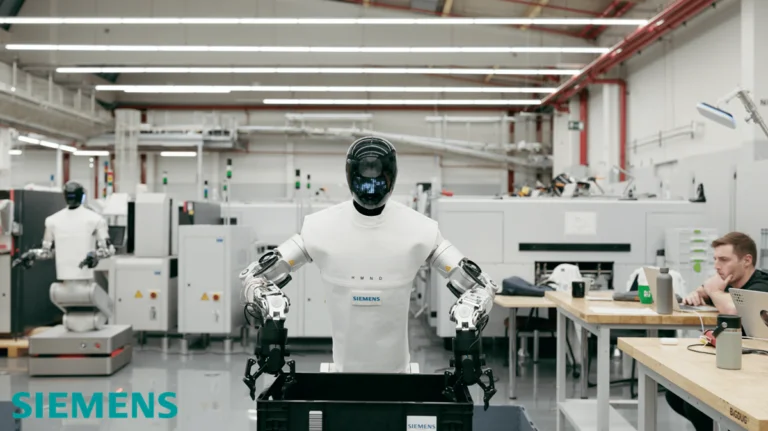
With the rapid growth of the physical AI industry, industry demands for regulatory reform are intensifying. Currently, humanoid robots entering factories must be accompanied by safety fences at least 1.8 meters high, and integration with elevators and automatic doors alone incurs costs of approximately 10 million won, indicating that outdated, stationary-equipment-centric regulations are imposing a heavy burden 1.
In particular, quadruped walking robots face a major obstacle to commercialization due to the absence of certification standards for sidewalk operation 1. This regulatory uncertainty is leading to a decline in investment for new robot service development, and industry participants are even proposing the use of large corporations’ local factories as “robot foundries” to overcome these challenges 1.
Local governments are also actively responding. Seoul City is advancing its plan to become a “Leading City for Physical AI” by partnering with Seoul National University to launch a demonstration project for service robots 1. As local government demonstration efforts and central government discussions on regulatory reform converge, the establishment of a flexible regulatory framework suitable for mobile robots and human-AI collaboration is being discussed as a key policy priority 1.
Financial Market Volatility and Response to North Korean Cybersecurity Threats
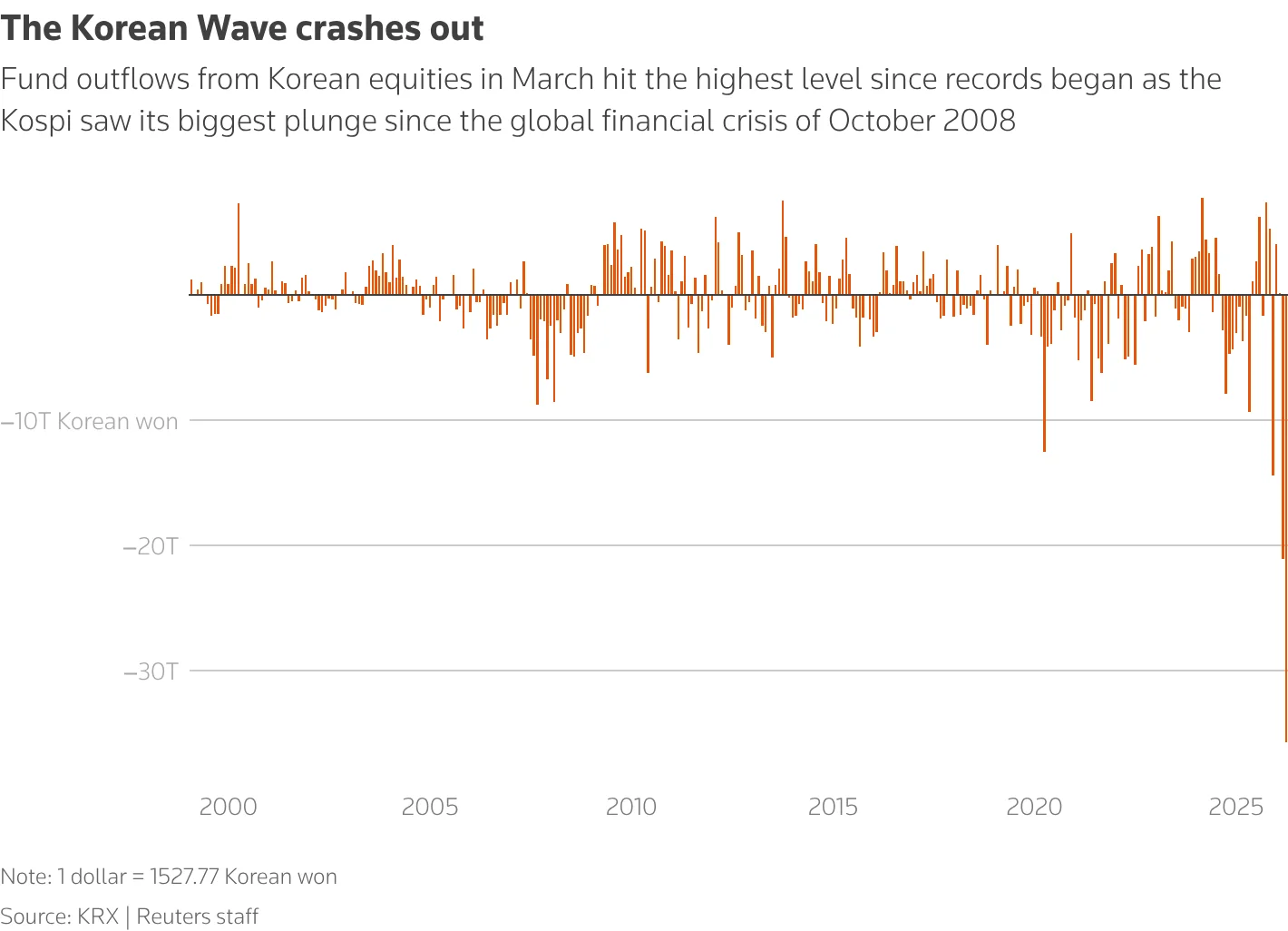
During this week, economic ministries also paid close attention to increasing financial market volatility caused by a sharp drop in U.S. semiconductor stocks. On October 30, the KOSPI index fell by 3.48%, and foreign investors net-sold 1.6173 trillion won, exacerbating market anxiety 2. Experts analyzed this not as a deterioration in fundamentals, but as a wave of profit-taking amid a high-interest-rate, high-inflation environment, and emphasized the need to secure time until the first half of next year for macroeconomic conditions to improve 2.
On the social and economic front, the theft of approximately 8.4 trillion won in funds from Binance, the world’s largest cryptocurrency exchange, by North Korean hackers caused significant shock 2. Even after withdrawals resumed, a net outflow of about 4.9 trillion won occurred, undermining market confidence and underscoring that North Korean cybersecurity threats constitute a realistic economic risk 2.
Ministry of Science and ICT’s R&D Budget Review and AI Infrastructure Trends
Key trends related to the Ministry of Science and ICT include the commencement of the review for the largest-ever R&D budget proposal, totaling over 40 trillion won. This proposal includes planned reviews for top-tier AI and the seven Strategic Economic Security Core Technologies (SEED), reflecting the government’s commitment to securing future growth engines 2.
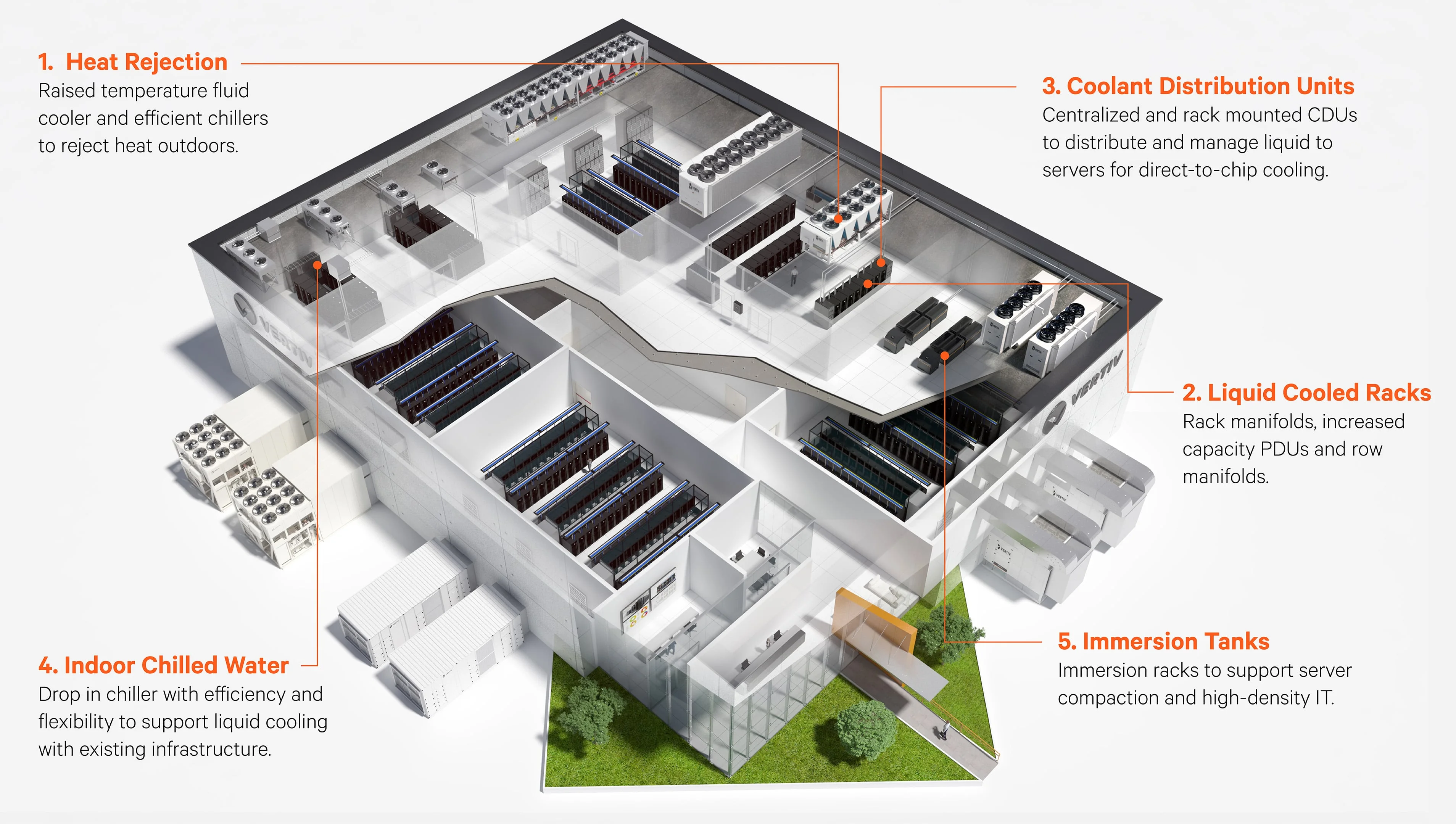
Meanwhile, technological responses to the rapid increase in power consumption by AI data centers are also gaining attention. ‘Liquid cooling’ technology for dissipating heat from Nvidia chips has entered the commercialization stage, while global hubs such as Singapore and Texas are engaged in fierce competition to secure clean power supplies 2. These trends highlight that power infrastructure and technological innovation are essential for the sustainable growth of the AI industry 2.
Synthesizing this week’s developments across economic and social ministries, it is evident that the government is primarily focused on managing external economic issues, including the resolution of the Czech nuclear project and investment negotiations with the United States 2. At the same time, efforts are underway to dismantle outdated regulations in emerging industries such as physical AI and to secure technological competitiveness through R&D budgets 1, 2.
While domestic and external risk factors such as financial market volatility and cybersecurity threats persist, each ministry appears to be concentrating its policy capabilities to address these challenges. Corporate executives and researchers are advised to closely examine policy directions and the industrial environment based on this week’s key issues.
References
- [정부 주요 일정] 경제·사회부처 주간 일정 (11월 2~6일) · etoday.co.kr↩
- 정부 부처 주간일정 및 보도계획(30~3일) · mt.co.kr↩