
As of 2026, the proliferation of the digital environment and increased work intensity are imposing continuous cognitive load on office workers. While past motivation strategies focused on grand annual goals or macro-level achievements, 'Micro-Completion' and 'Micro-Habit Methods' have recently emerged as new trends to alleviate the psychological pressure caused by excessive goal-setting. This article analyzes the structural causes of burnout and examines the principles and practical applications of micro-habit methods that restore the brain's reward system.
The Structure of Digital Fatigue and 'Fear of Missing Out (FoMO)' Deepening Burnout

Burnout does not simply result from a lack of personal willpower, but stems from a cyclical structure of rapid resource depletion and psychological pressure. According to a study published in Frontiers in Psychology, work environments with high digital technology usage show a positive correlation with job burnout, indicating that it exacerbates burnout through 'fear of missing out (FoMO)' and 'perceived stress'1.
This mechanism can be explained by 'Conservation of Resources Theory.' When a sense of disconnection that one is missing out on occurs in a state where resources are depleted due to digital fatigue, it converts into perceived stress and ultimately creates a 'spiral of loss' that fully exhausts resources1. Amidst such structural pressure, office workers tend to hide their difficulties rather than reveal them externally.
8 out of 10 male office workers in the UK (84%) were found to hide stress or burnout to maintain a strong or professional image2. Due to concerns about career damage (30%) and social expectations (89%), they are choosing to push through work (80%) or endure excessive workloads (39%) even amidst extreme fatigue2. This situation suggests that grand goal-oriented approaches create a vicious cycle that rather exhausts cognitive resources.
Dopamine Receptor Downregulation and the Mechanism of 'Micro-Rewards'
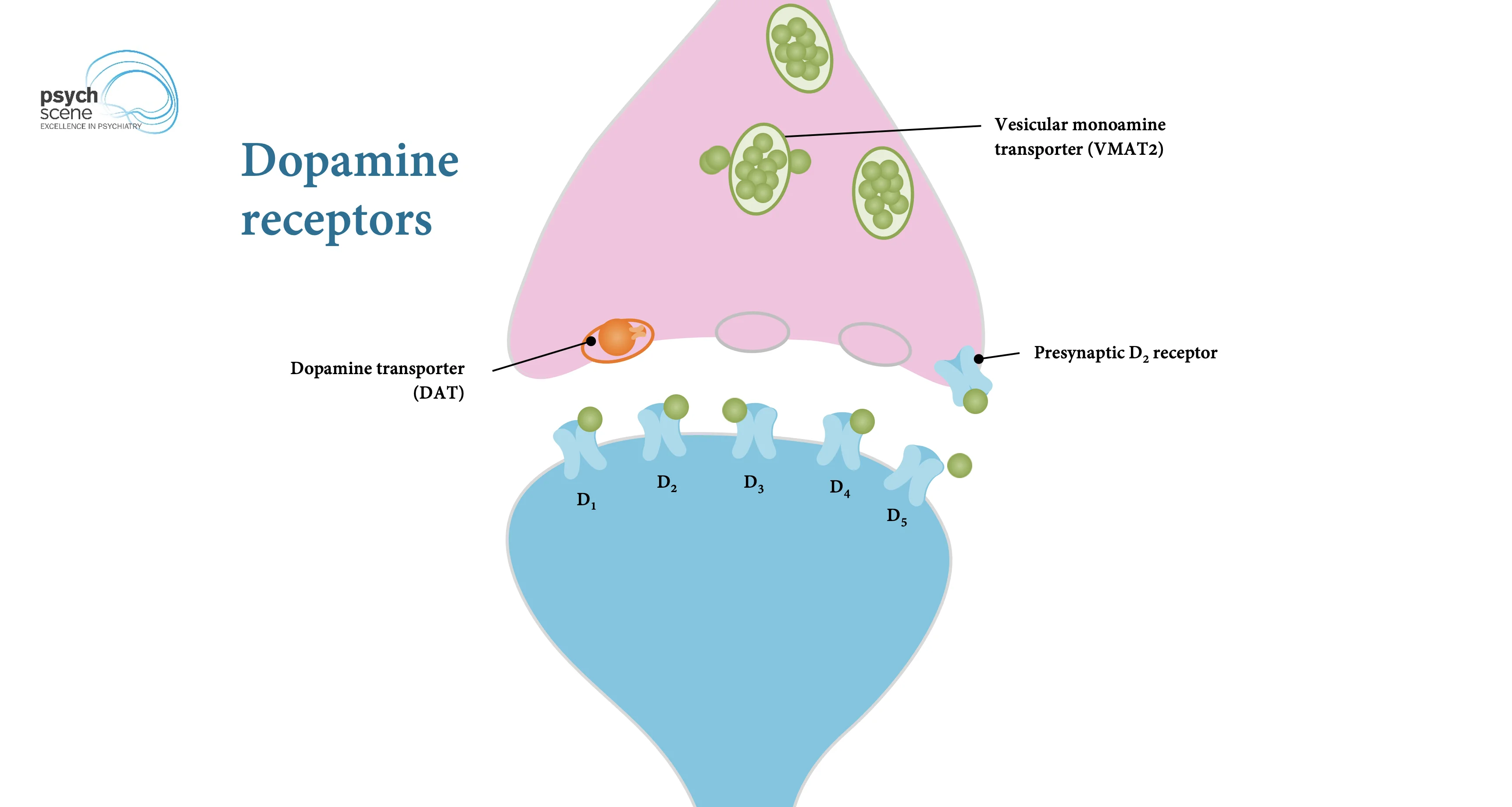
The brain in a state of burnout may experience disrupted normal functioning of the reward circuit. A study in the journal eBioMedicine observed changes in dopamine neurons in the brains of long-COVID patients, suggesting a link to lack of motivation and mental lethargy3. In a similar context, some well-being guides explain that environments exposed to chronic overstimulation can induce a state of 'downregulation,' where dopamine receptors are internalized to maintain brain homeostasis4.
At this juncture, the strategy of accumulating small reward units that the brain can immediately recognize as achievements is gaining attention. Some digital well-being platforms, such as VittalLiving 360, claim that this 'Micro-Reward Stacking' can lead to an increase in D2 receptor density and a decrease in procrastination behavior4. This is based on the hypothesis that the repetition of modest successes, rather than achieving gigantic goals, can help reignite the brain's reward system.
| Category | Before Micro-Habit Application (Existing State) | After Micro-Habit Application (Presented Effect) | Basis |
|---|---|---|---|
| Receptor Response | Lethargy due to downregulation | Emphasis on increased D2 density and restored sensitivity | 4 |
| Behavioral Pattern | Chronic procrastination, high stimulation seeking | Reduced procrastination, recovery of intrinsic motivation | 4 |
| Reward Recognition | Loss of interest due to high threshold | Energy recovery through immediate recognition of achievement | 4 |
Note: The 'increase in D2 receptor density' etc. in 4 cites non-peer-reviewed data from specific well-being platforms (such as ReviewTop1) and should be understood as the platform's view rather than independent scientific consensus.
Applying Daily 'Micro-Habit Methods' Instead of Grand Goals
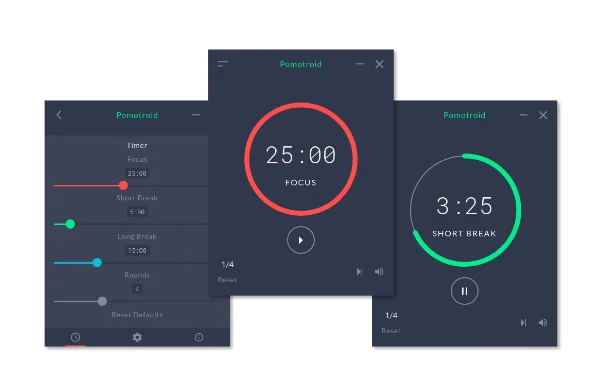
For practical burnout recovery, it is necessary to design 'incremental micro-victories' that break daily tasks into manageable units, rather than conquering a gigantic mountain4. Specific practical measures are as follows.
- Combining 25-Minute Sprints with Physical Activity: Divide work into 25-minute focused sessions and place physical activities in between to induce healthy dopamine secretion4. This reduces the cognitive load caused by grand goal orientation.
- Setting Digital Boundaries and Managing FoMO: Establishing clear criteria for responding to work messages and reducing the fear of disconnection can contribute to lowering perceived stress and burnout1. It is important to secure protected recovery time.
- Concurrent Nutritional Support: For the neurological effects of micro-habits to take root stably, intake of nutrients such as tyrosine, vitamin B6, and omega-3 fatty acids for neurotransmitter synthesis is recommended as physical support4.
These micro-habit methods can serve as a starting point for restoring lost motivation and energy by enabling the brain to feel immediate achievement through 'small completions.'
Harmony Between Individual Effort and Structural Environmental Improvement

While micro-habit methods contribute to individual recovery, they are not a panacea for all burnout issues. According to a study published in JAMA Network Open, 86.7% of doctors who recovered from burnout attempted active personal changes such as reducing work hours and personal meditation5. However, 26.7% of respondents reported experiencing recovery due to organizational structural changes, such as leadership changes, staffing reinforcements, and the introduction of AI-based documentation tools, without personal effort5.
UK office workers also prefer similar solutions. Among those surveyed, 41% cited a flexible work environment and 35% cited a manageable workload as the most needed solutions2. In contrast, they responded that systematic check-ins from supervisors (48% reported not receiving them) or practical improvements in the work environment were more helpful than executives' grand speeches (14%)2. In other words, sustainable recovery is possible when individuals' 'small completion' habits are accompanied by the establishment of organizational-level 'small boundaries' (manageable workloads, clear communication).
A 3-Step Guide to Designing Today's 'Small Completion'
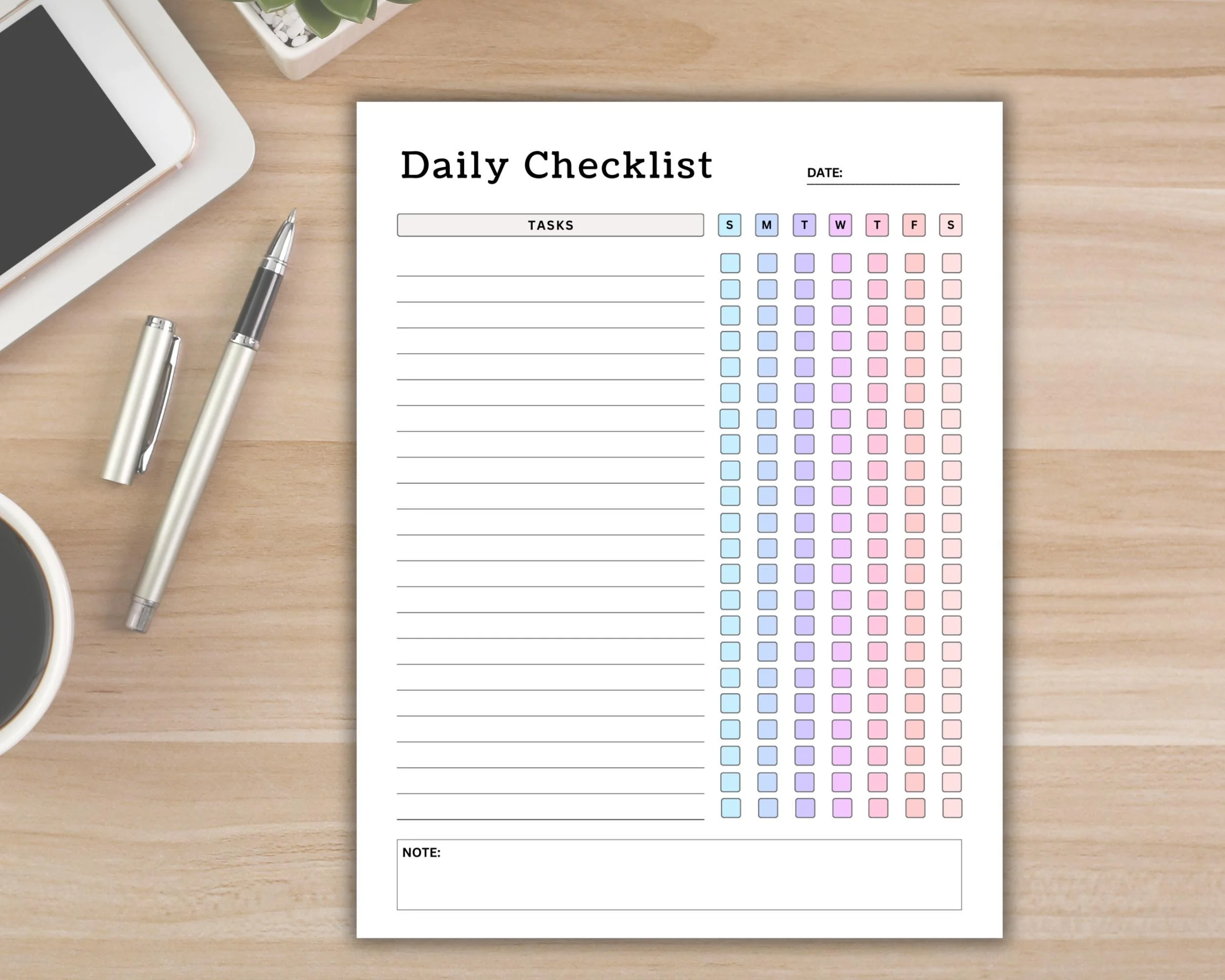
In a state where the brain's reward circuit has become numb, completing just one 'small completion' that can be finished today may serve as a practical starting point, rather than reiterating grand ambitions. Design micro-habits in the following three steps.
- Goal Segmentation: Remove gigantic items from today's to-do list and replace them with microscopic units that can be completed within 25 minutes (e.g., replying to 5 emails, drafting a document)4.
- Immediate Reward Reinforcement: Provide immediate rewards each time a micro-completion is finished so that the brain feels a sense of achievement (e.g., stretching, a short break).
- Securing Digital Disconnection Time: Strictly apply message response criteria during non-work hours to reduce FoMO and perceived stress1.
Set aside grand goals for now. Finishing just one 'small completion' on your list today can be the most realistic strategy for overcoming burnout.
References
- ↩
- 8 in 10 UK Men Hide Mental Health Struggles at Work · livecareer.co.uk↩
- Long COVID May Be Burning Out The Brain's Reward System · sciencealert.com↩
- Dopamine Receptor Downregulation: A Clinical Protocol for Reversing... · vitalliving-guide.vercel.app↩
- Physician Burnout: What Changes Help With Recovery? · medscape.com↩