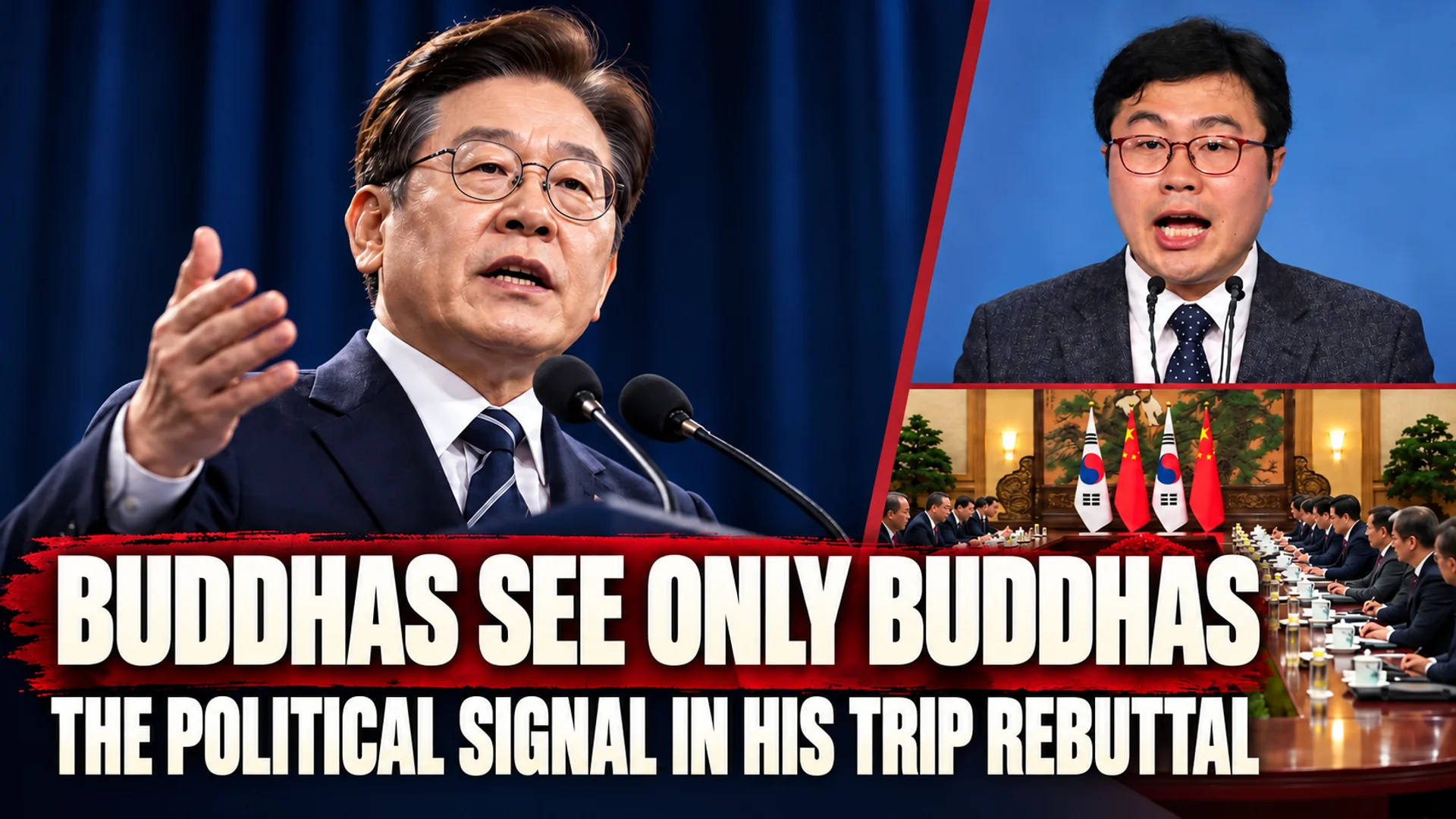
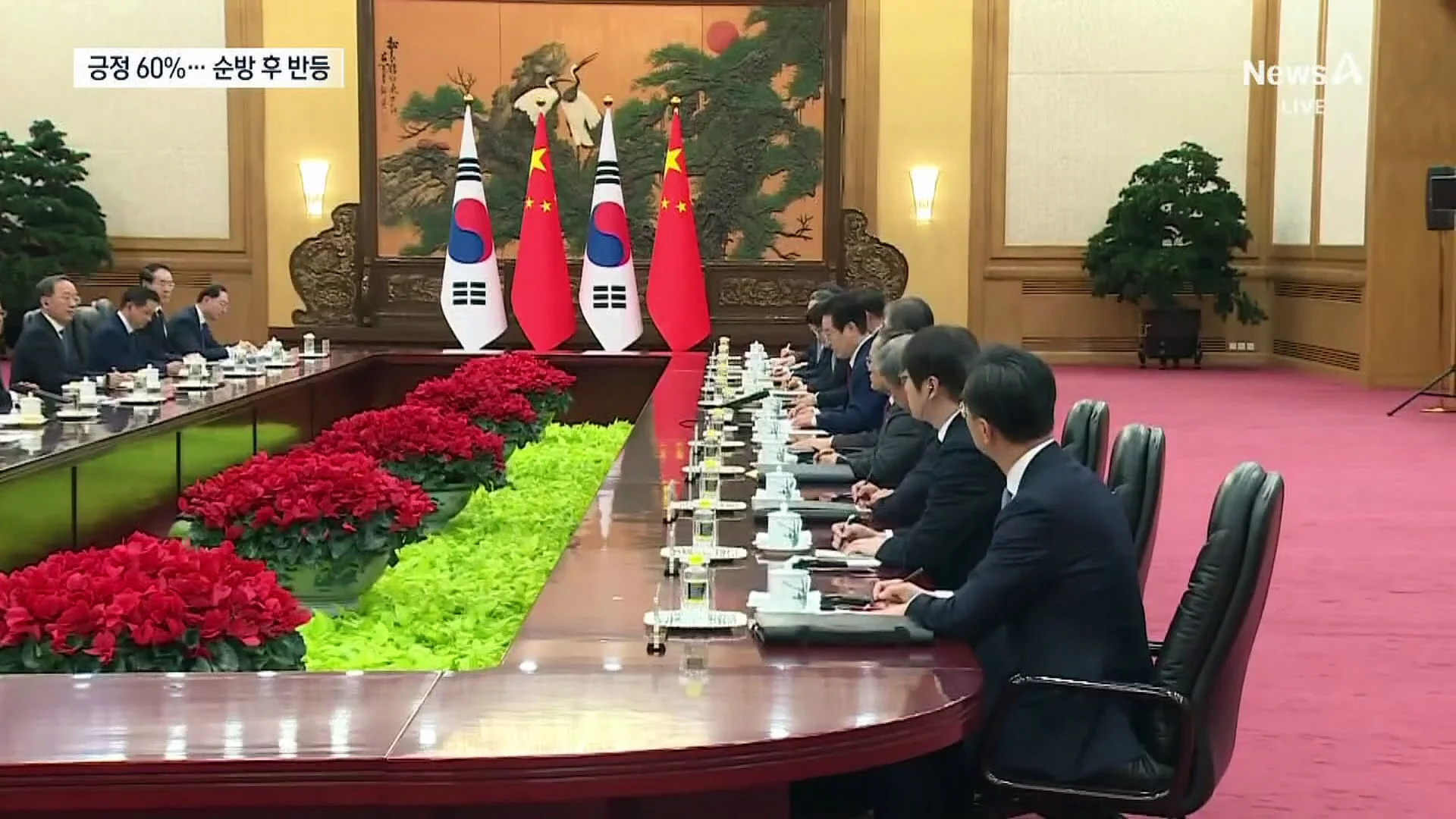
President Lee Jae-myung fiercely rebutted the opposition’s criticism of his diplomatic tours with the sharp phrase, “You can only see what you know.” Rather than a simple defense, he systematically dismantled the opposition’s logic by comparing his tour’s workload intensity and tangible results with those of past and present presidents. This confrontation starkly reveals how deeply divided the ruling and opposition parties are in their interpretations of the nature of diplomatic activities.
President’s Rebuttal: “Diplomatic Tours Are Not Sightseeing”
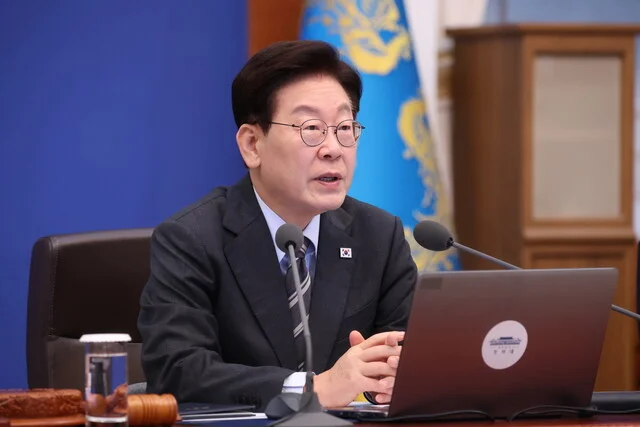
On October 31, President Lee Jae-myung issued strong remarks on the opposition’s criticism of his diplomatic tours via X (formerly Twitter). He pointed out that, contrary to the opposition’s claims, foreign tours involve high-intensity advance preparations and long-haul flights, rather than “sightseeing, shopping, or partying.”
In particular, he highlighted the packed official schedule that does not spare even half a day, and the harsh conditions of receiving IV drips frequently due to high work intensity, even mentioning nosebleeds. He criticized the opposition for being able to view such a grueling schedule as if he were “going out to play” 1. This is interpreted as an attempt to directly flip the opposition’s critical framing by emphasizing the physical toll and workload intensity of the tour.
“Results Make the Difference”... The Card of Comparing Past and Current Presidents’ Tours
President Lee argued to the opposition that “the accompanying press corps, who experience it together, would know better than anyone about the differences in schedules, workload intensity, and tour results between current and past presidents’ foreign tours” 1. This suggests that he is asserting his tour is more intensive and productive compared to the past, and that journalists serve as the objective evaluators.
He further quoted the proverb, “A Buddha sees only a Buddha, and a pig sees only a pig,” sharply rebuking the opposition by stating that their criticism itself is hitting the limits of their perception 1. This demonstrates how immediate and intuitive the political rhetoric of a person in power can be.
The Opposition’s Raise Issues of ‘Taxes’ and ‘Diplomatic Essentials’
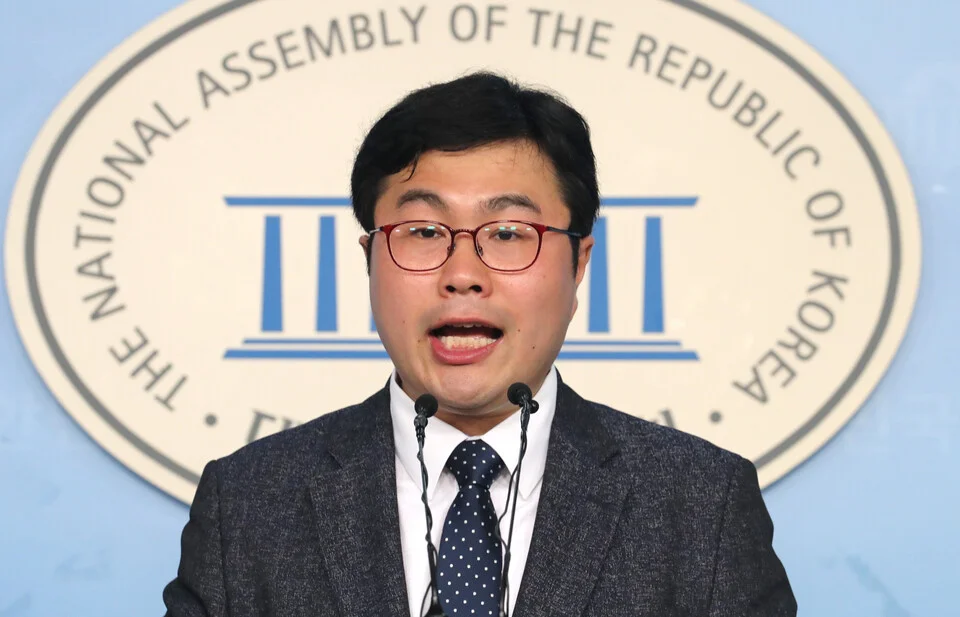
The President’s hardline rebuttal aligns with criticisms raised by opposition figures the previous day. First, People Power Party spokesperson Jo Yong-su stated in a press briefing on October 31, “The president’s foreign tours are national activities funded by taxpayers’ money,” demanding verification of the frequency, schedule, and costs of the tours 1. This reflects the traditional opposition critique logic that highlights the public responsibility and potential waste in diplomatic activities.
Adding to this, independent lawmaker Han Dong-hoon, formerly of the People Power Party, pointed out issues regarding the essence of diplomacy more directly. Han aimed his criticism at President Lee’s remarks and actions during a past visit to Mexico, stating, “If you went abroad to conduct diplomacy, then do diplomacy instead of talking about Yu Sun-min” 2. This criticized President Lee’s behavior of engaging in domestic political debates (such as the dispute with writer Yu Sun-min) during the tour, arguing it obscured the essence of diplomacy.
Political Focus on SNS Communication During Tours
This debate is expanding beyond merely the quantity or quality of tour achievements to the issue of how domestic political affairs are handled during diplomatic schedules. In late September, when the debate over prosecutorial reform between President Lee and writer Yu Sun-min emerged, President Lee explained his political philosophy at a dinner gathering with Korean expatriates in Mexico, saying, “Going too fast, too far, and too hastily invites backlash” 2.
In response, lawmaker Han Dong-hoon criticized President Lee for appearing to focus more on the debate with writer Yu than on investigating the landmine accident site, urging him to focus solely on diplomacy during diplomatic schedules 2. Ultimately, President Lee’s remarks about “IV drips and nosebleeds” go beyond simply venting about the difficulties of the tour; they carry a strong tone of confronting the opposition’s mixed political-diplomatic criticism head-on.
Between Diplomacy and Politics: Both Sides’ Interpretations
In the end, the interpretations from both sides regarding this issue remain at a standstill. President Lee’s camp mocks the opposition’s criticism by emphasizing the tangible value of “high workload intensity and results” and the objective testimony of the accompanying press corps. In contrast, the opposition camp points out procedural legitimacy and content issues of the tour with principled arguments regarding “the efficiency of national taxes” and “focus on diplomatic essentials.”
Such a scene, where formal diplomatic activities like tours become battlegrounds within heterogeneous frames of “workload intensity” and “efficiency of tax spending,” may not be unfamiliar to readers accustomed to political news. However, the important point is that concrete evaluation criteria for diplomatic achievements remain solely as political rhetoric from both sides.
References
- 이재명 대통령, 野 순방 비판에 “수시로 링거주사 맞으며 코피 터져...결과로서 성과 차이” · sisa-news.com↩
- 이재명 대통령-유시민 다툼에 나경원이 던진 한마디 · newspic.kr↩