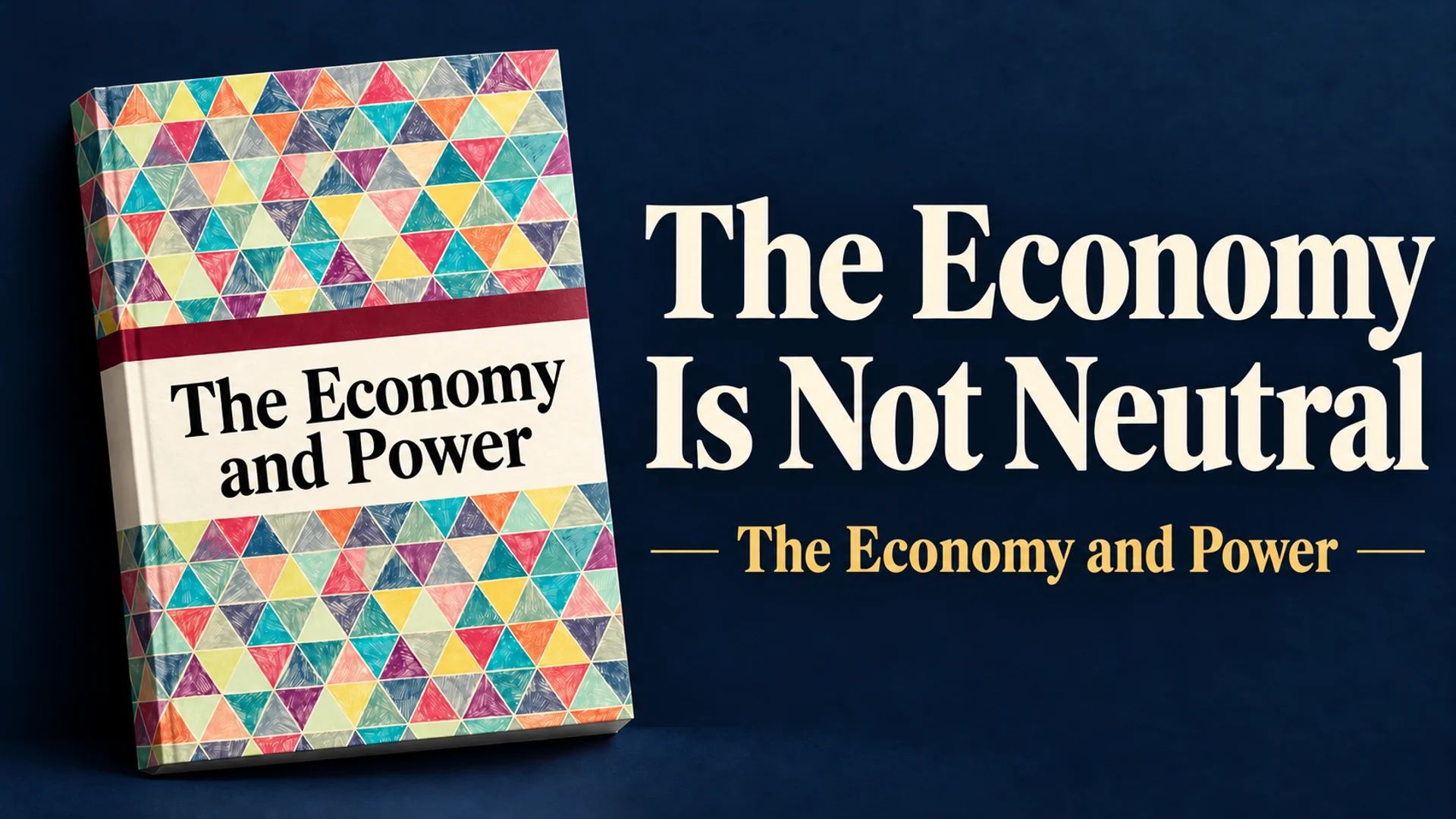
Hanyang University Press published Professor Seo Hwan-ju's new monograph, Economy and Power: The Landscape of Power, Institutions, and Economic Performance, on October 20, 2026. Departing from the traditional economics perspective that strictly separates market mechanisms from political processes, the book argues that economic performance is shaped by the interplay of political choices, institutions, and power relations within society. It specifically provides a systematic introduction to the theoretical features of the 'new political economy' developed by prominent scholars such as 2024 Nobel Laureate in Economics Daron Acemoglu, Thomas Piketty, author of Capital in the Twenty-First Century, and Michel Aglietta, a leading figure in regulation theory, while analyzing structural issues in Korean society.
Professor Seo Hwan-ju and the Trajectory of the New Political Economy
The author of Economy and Power, Professor Seo Hwan-ju, teaches technology management at the Department of Business at Hanyang University ERICA and holds a Ph.D. in Economics from the School for Advanced Studies in the Social Sciences (EHESS) in France. He has conducted numerous studies on societal structural changes, including digitalization, financialization, shareholder value management, servicization, widening inequality, globalization, and deglobalization.
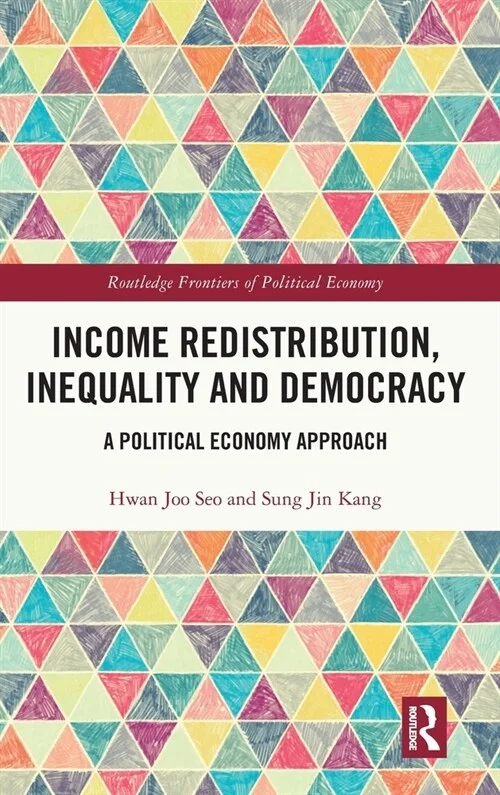
Professor Seo’s academic trajectory has led to extensive international scholarly publishing activities. In 2022, he published Global Financialization and Corporate Innovation Strategy: The Case of Korean Firms with Routledge, followed in 2024 by Income Redistribution, Inequality and Democracy: A Political Economy Approach. Building on these research achievements, this new book was written to connect diverse social science perspectives, comprehensively understand the complex changes in contemporary society, and provide readers with an integrated analytical framework that cuts across technology, democracy, and globalization 1, 2.
The Source of Economic Performance Lies in the Distribution of Power and Institutions
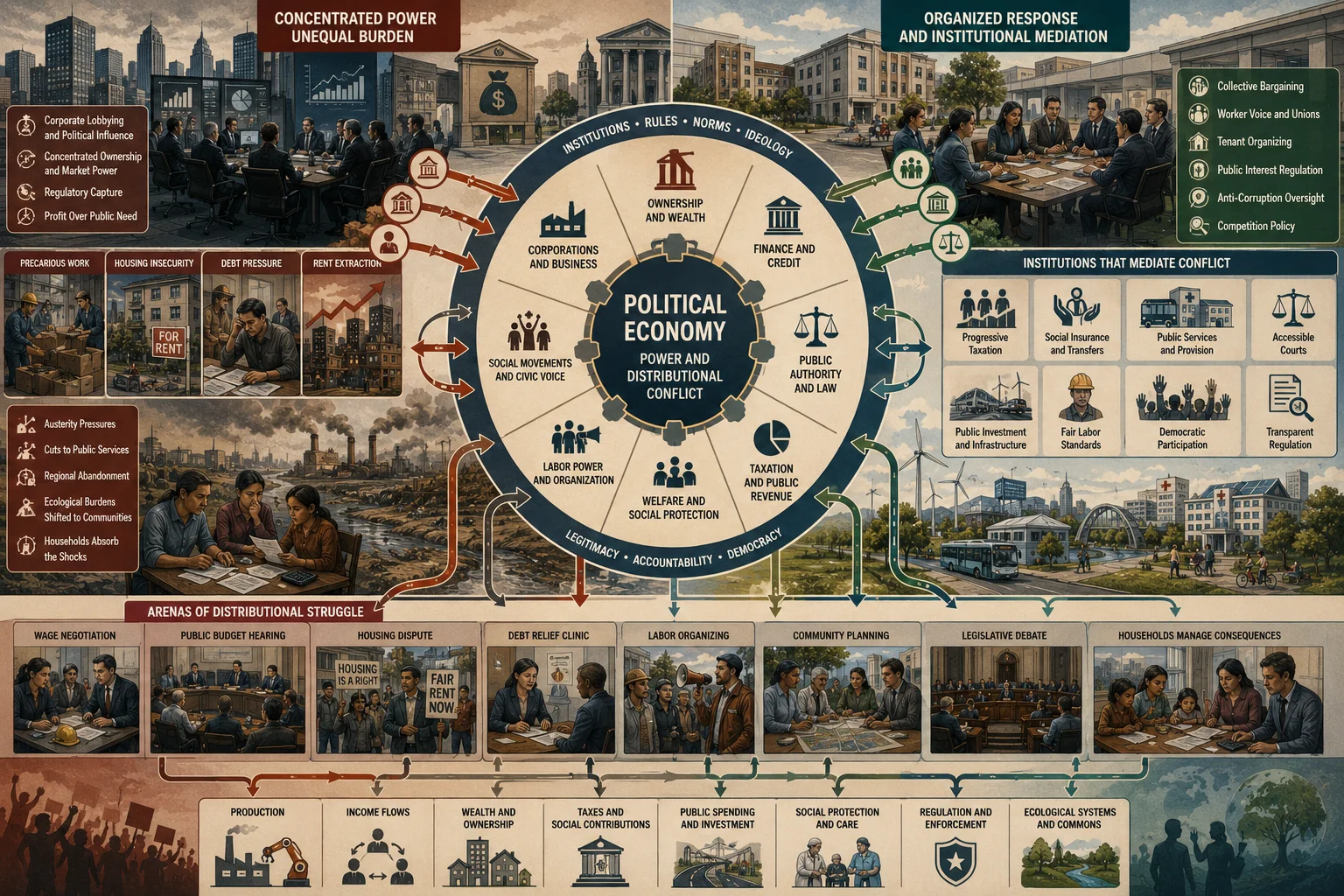
The book’s core thesis lies in reinterpreting contemporary economic issues through the analytical framework of the 'distribution of power.' It points out the limitations of traditional economics, which strictly separated markets and politics, thereby reducing economic performance to mere resource allocation or market efficiency. In contrast, the author delves deeply into how political cleavages and power structures determine economic outcomes.
Economic performance is not determined by a single variable. The author explains that it is formed through the complex interaction of political choices, institutions, and power relations within society. The core of the new political economy, led by figures such as Acemoglu, the 2024 Nobel Prize winner in Economics; Piketty, author of Capital in the Twenty-First Century; and Aglietta and Amable, along with Palombarrini, key scholars in regulation theory, is precisely to uncover the power structures and institutional contexts hidden behind economic phenomena 1, 3.
A Single Framework Cutting Across Three Major Issues in Korean Society
In this book, Professor Seo Hwan-ju analyzes three major issues currently facing Korean society from a unified political-economic perspective.
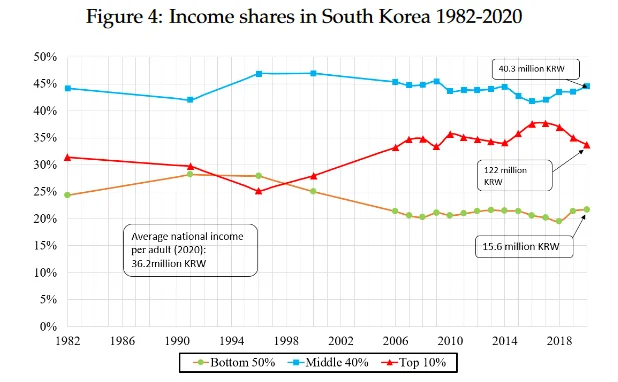
The first is the deepening of income inequality. The author diagnoses inequality not as a simple market outcome, but as a phenomenon formed within the political cleavages and power structures of society. He particularly questions whether democratic regimes can effectively mitigate various forms of inequality, presenting their limitations and policy responses.
The second is social conflict resulting from the diffusion of new technologies. Technological change is not a neutral process. New technologies reconfigure existing interests and power structures, triggering new conflicts and prompting political responses. The appendix specifically addresses the diffusion of robotics and the ability to mediate resulting social conflicts, unraveling the political economy of technological change.
The third is deglobalization. Professor Seo does not interpret the retreat of globalization simply as an issue of economic efficiency or a shift in market logic. Instead, he urges viewing it as a 'political response' to the vulnerabilities accumulated during the deepening of global interdependence.
Academic Book Economy and Power, An Empirical Exploration of the Power Landscape
Economy and Power consists of seven chapters, each exploring the correlation between the power landscape and economic performance through concrete cases and empirical research.
In particular, Chapter 4, "The Political Economy of Technological Change," demonstrates through historical and structural examples that technological development is not neutral. Chapter 5, "The Political Economy of Income Inequality," analyzes the conflict of interests surrounding the distribution of economic resources, while Chapter 6, "The Political Economy of Deglobalization," explains how global economic flows are connected to domestic politics in various countries. This structure helps readers clearly understand how distinct economic phenomena manifest within a single political-economic structure.
Publication Information and Target Audience

This new publication is classified as an academic book in the social sciences, published as a monograph of 444 pages with dimensions of 152*225 mm. Its ISBN is 9788972188803, and the price is 33,000 KRW. It is available for purchase at major online bookstores such as Yes24, Aladin, and Kyobo Bookstore, as well as other online and offline bookstores.
The book attempts a multidisciplinary approach that breaks down the boundaries between economics, political science, and sociology. Therefore, it serves as an academic reference suitable for students and researchers seeking to engage with the latest discourses in modern political economy, as well as practitioners and general readers who wish to understand how grand social trends like technological change or deglobalization impact Korea’s institutions and power structures.
References
- 경제와 권력 - KOBIC 신간도서정보서비스 - 한국도서출판정보센터 · kobic.net↩
- 경제와 권력 | 서환주 | 한양대학교출판부 - 예스24 · m.yes24.com↩
- 경제와 권력 — 2026년 10월 20일 출간 예정 · 북버스 · bookbus.kr↩