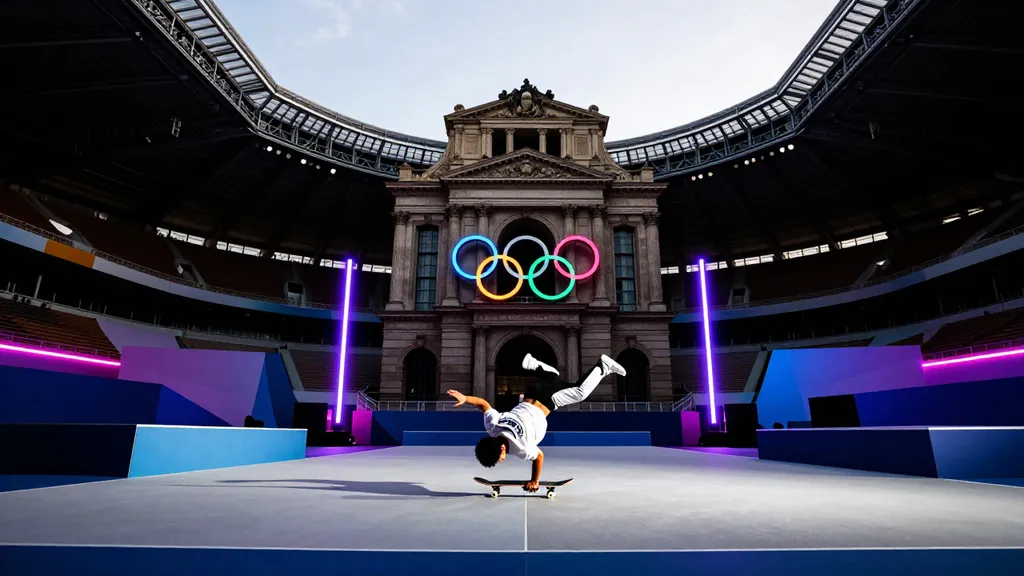
"This Olympics seems a bit different from before; what exactly is changing?" This is a question common to all sports fans whenever the Olympic season arrives.
As the authority of traditional sports clashes with the dynamic culture of the MZ generation, the 2024 Paris Olympics is promising to be more transformative than ever. In particular, it is true that voices of concern regarding an "all-time slump" have been high due to the reduced size of the South Korean national team.
However, if one reads the flow of change, it becomes clear why this competition goes beyond a simple sporting event to become such an interesting point of interest for us. Today, we will provide an in-depth analysis of the radical changes in disciplines at the Paris Olympics and the key factors that will determine the fate of the Korean national team.
Waves of Change: Why Does the Olympics Crave a 'New Face'?
While past Olympics were about defending the fort of traditional disciplines that have continued for decades, this Paris Olympics has chosen 'change and innovation' as its survival strategy. Why go so far as to shake up proven traditions to introduce new disciplines?
The biggest reason is generational shift and popularity. While previous Olympics appealed to the nostalgia of the middle-aged and elderly, the current strategy is to bring 'street culture'—which the youth are enthusiastic about, such as skateboarding, surfing, and sport climbing—into the establishment to simultaneously capture viewership ratings and buzz.
However, this change is a double-edged sword. There coexist concerns that the status of existing disciplines might weaken, and criticisms that the Olympics might lose its identity by chasing only trends. We are currently standing in a transition period where the Olympics is evolving from a 'traditional sports festival' into a 'global pop culture festival.'
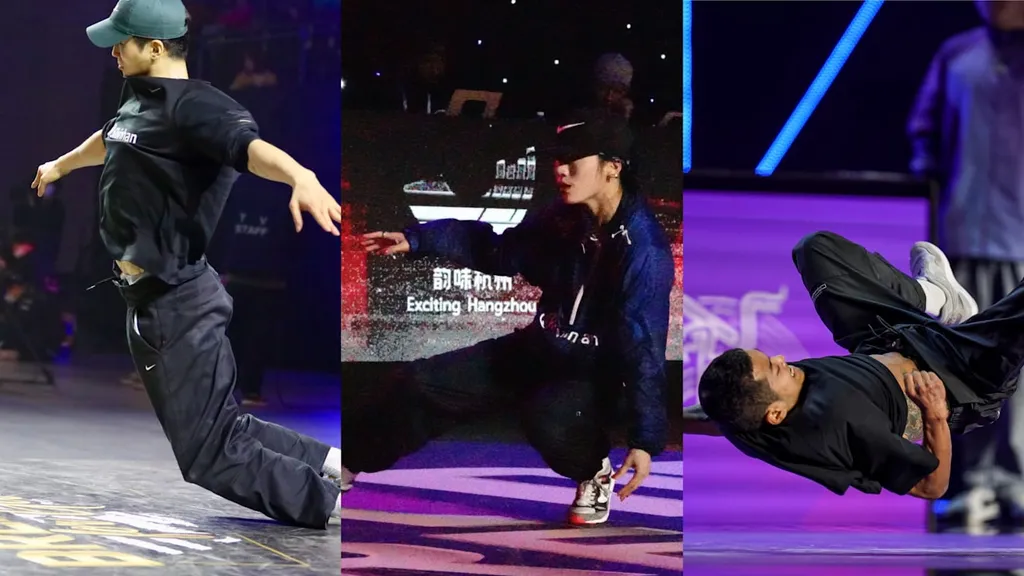
Evolution of Disciplines: Clash between New vs. Traditional Disciplines
The most significant feature of this competition is the large-scale appearance of new disciplines. Let's compare them from three perspectives.
1. The Landing of Street Culture: Breaking and Skateboarding
The most radical change is the official debut of Breaking. Based on hip-hop culture, this discipline requires both artistry and athleticism. Additionally, Skateboarding has been subdivided into men's and women's street and park, promising more specialized technical competitions.
- Pros: Explosive influx of young fans, visual splendor.
- Cons: Existence of conservative views regarding whether this can truly be seen as a sport.
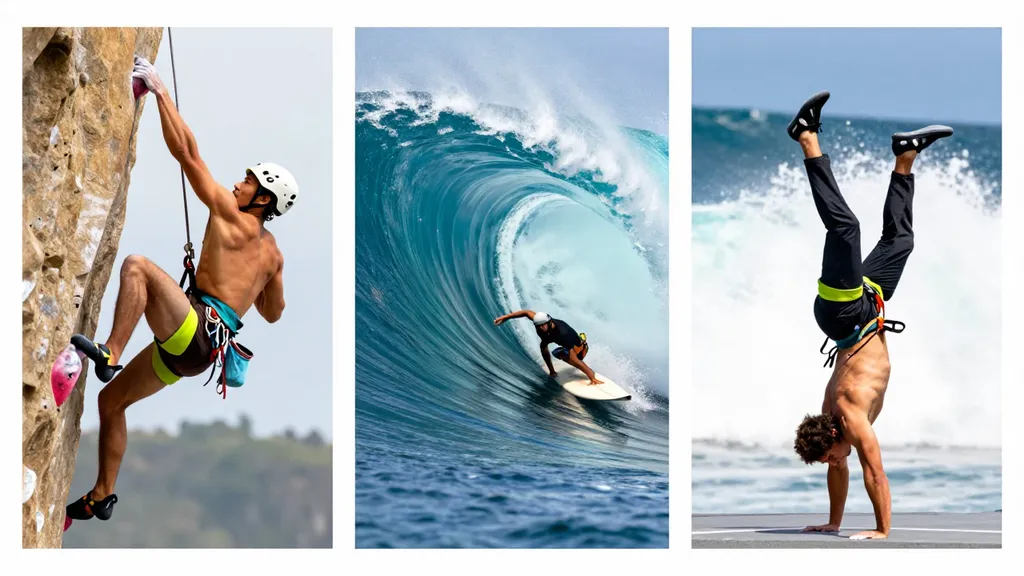
2. Challenging the Limits of Nature: Surfing and Sport Climbing
Surfing will be held in Teahupo'o, Tahiti, rather than mainland France. This discipline, which requires riding massive waves up to 7 meters high, will create the most dynamic scenes in Olympic history. Sport Climbing has also added technical depth by being subdivided into Bouldering, Lead, and Speed.
- Pros: Overwhelming visual beauty, challenging the extreme limits of humanity.
- Cons: Constraints in venue selection (surfing) and the possibility of identity confusion between disciplines.
3. Redesigning the Rules: Changes in Athletics and Swimming
Traditional disciplines have not escaped change either. In athletics, a re-challenge opportunity (a round-robin style additional race) for those eliminated in the preliminaries will be introduced, set to create dramatic narratives. Furthermore, changes considering both gender equality and efficiency are visible, such as the removal of the men's 50km race walk and the creation of the mixed relay.
Outlook for the Korean National Team: The 'Aesthetics of Reversal' Turning Crisis into Opportunity
Many experts have expressed concern regarding the Korean national team this time. The size of the delegation—144 members (based on athletes), the smallest since 1976—and the slump in traditionally strong disciplines make it difficult to be optimistic.
However, we must focus on the keyword 'quality over quantity'. The core point is not simply increasing the number of medals, but the fact that the team consists of athletes possessing world-class skills.
Key Korean 'Key Players' to Watch
First, Hong10 (Kim Hong-ryul) of Breaking. The most interesting figure in this competition is undoubtedly Hong10. Competing with the 'oldest athlete' title at age 40, he steps onto the stage not just as a dancer, but as an 'athlete' who has perfectly honed his fundamental physical strength. His performance will serve as a test case for how Korean hip-hop culture can be recognized as a 'sport' on the massive stage of the Olympics.
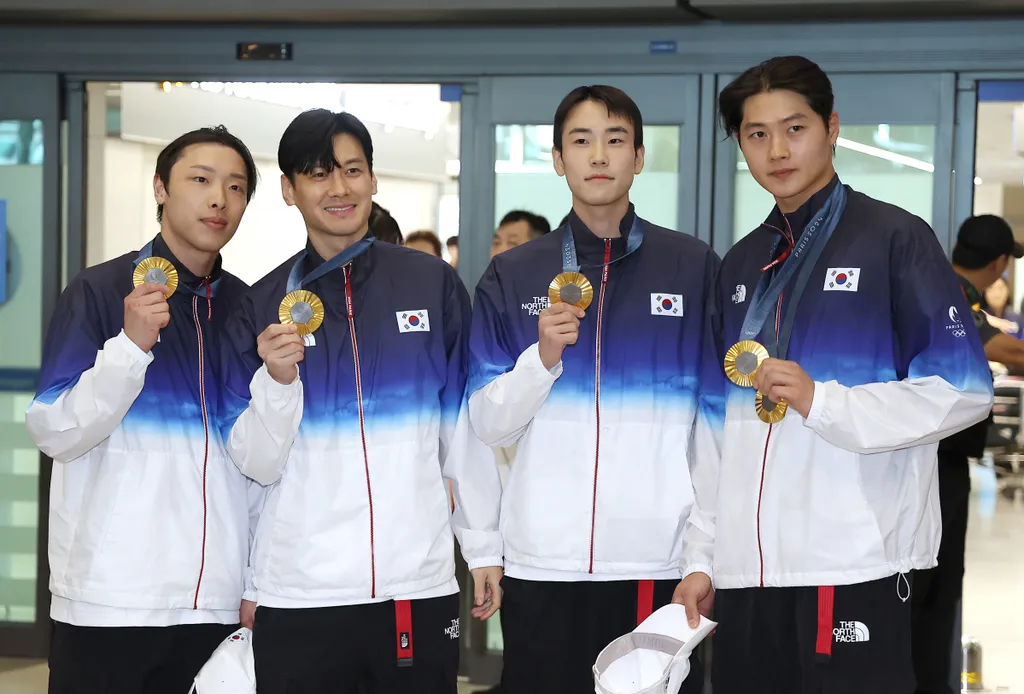
Second, the Revival of Swimming and the Myth of Archery. Korean swimming, which had been stagnant since Park Tae-hwan, dreams of a brilliant revival through powerful next-generation leaders like Hwang Sun-woo, Kim Woo-min, and Lee Ju-ho. Additionally, archery and fencing, the pride of Korea, will continue to display their world-leading prowess and lead the charge in medal hunting.
Third, the Power of a Female-Majority Delegation. For the first time in history, this delegation has formed a 'female-majority delegation' where female athletes outnumber male athletes. While this coincides with changes in ball games, it is also a factor that makes one anticipate how the strength of Korean women's sports will act as a variable in Olympic results.
Conclusion: Those Who Enjoy Change Hold the Medals
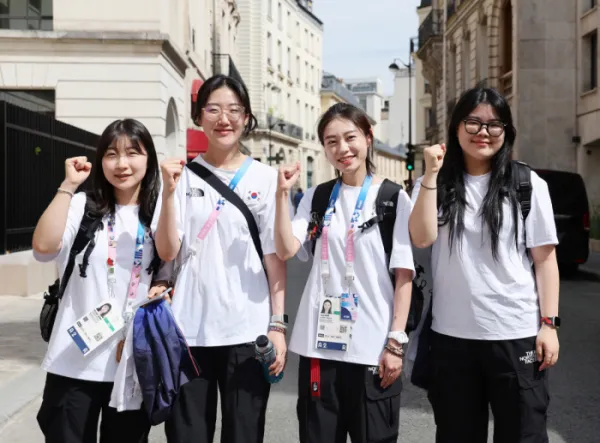
The 2024 Paris Olympics is not simply a place to compete on who is faster or who jumps higher. It aims to break the boundaries of traditional sports and serve as an 'expanded festival' that all generations can enjoy together.
The introduction of new disciplines may feel unfamiliar to existing fans, but the technical perfection and artistry that Korean athletes will demonstrate will be enough to bridge that gap. In particular, Hong10's 'Last Dance' in Breaking will be the hottest narrative of this competition.
To summarize:
- The Paris Olympics is seeking change through young and dynamic new disciplines such as Breaking and Surfing.
- Despite concerns over the smallest-ever delegation size, Korea is signaling strong performances in new areas like Breaking and swimming.
- Ultimately, the key observation point of this competition is how the harmony between tradition and innovation is implemented.
Change is always daunting, but those who ride that change first write history. In this Paris Olympics, which discipline's drama are you looking forward to the most?
What is the 'unexpected discipline' you are keeping an eye on during this Olympics? Please share your thoughts in the comments!
References
- 2024년 파리 올림픽 변경 및 추가 종목 · coloradotimesnews.com
- 파리 2024 업데이트: 브레이킹을 비롯해 새로운 변화로 무장한 ... · olympics.com
- 2024 파리 올림픽·패럴림픽에서 처음 선보이는 신규 종목 4개 · france.fr
- 파리 2024 올림픽 브레이킹: 한국 대표팀·주요 일정 미리보기 · olympics.com
- 2024 파리 올림픽/대한민국 · namu.wiki
- 놓치지 마세요! 2024 파리 올림픽 주요 경기 · theden.co.kr
- 파리올림픽 나설 한국 선수, 22개 종목 144명 확정 - 매일경제 · mk.co.kr
- 2024 파리 올림픽 · namu.wiki