Incheon Metropolitan City is fully launching an industry-academia-research collaboration model that directly connects scientific and technological research outcomes with industrial sites. Moving beyond one-off technology transfers and formal networking, a structure that immediately deploys accumulated data from universities and research institutions to solve problems at corporate sites is drawing attention. This approach by Incheon City aims to strengthen the technological competitiveness of the city’s strategic industries and build a ‘virtuous cycle ecosystem’ in which research outcomes serve as a tangible growth driver for the regional economy.
This article examines in detail the operating principles of Incheon City’s industry-academia-research collaboration network and key cases of outcome sharing. We will explore how platforms designed around the characteristics of fields such as future cars, bio, and the environment drive the social return of research results.
Future Cars: A Structure Where On-Site Technical Difficulties Lead to R&D Tasks
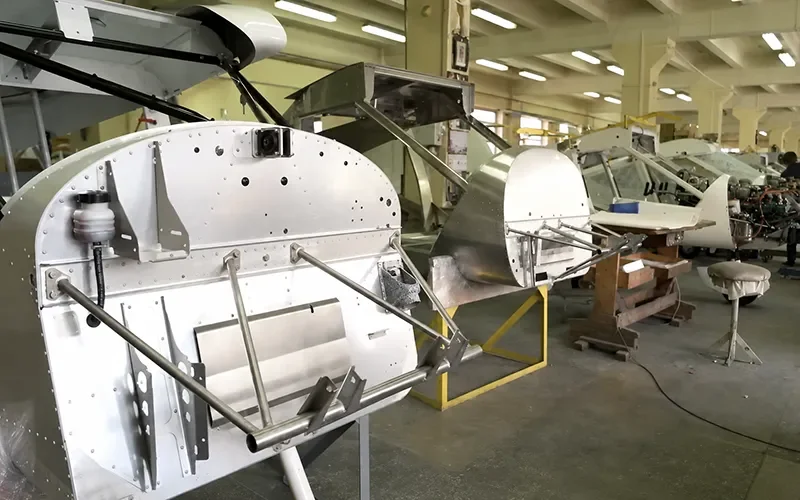
On July 8, 2026, Incheon City launched the ‘Industry Innovation Networking Sub-committees’ to support the transition of local automotive parts companies to future cars 1. The committees operate across three core fields: lightweight metal materials and processes, autonomous and connected cars, and secondary batteries and hydrogen 1. Its core function is not merely a venue for information exchange, but rather collecting technical difficulties companies face on-site and directly linking them to government research and development projects and new R&D initiatives 1.
The committees were designed as part of the ‘High-Strength, High-Heat-Dissipation Lightweight Metal Material Parts Demonstration Infrastructure Construction Project,’ jointly promoted with the Incheon Technopark Future Car Center 1. At the launch meeting, corporate representatives and experts from each sub-committee shared technology trends and market outlooks for autonomous driving, secondary batteries, and hydrogen industries, and discussed difficulties arising in the parts-making process in depth 1. Incheon City announced plans to reflect these on-site voices in policies and expand customized support for companies through the regular operation of the sub-committees 1.
| Sub-Committee Fields | Key Functions and Objectives |
|---|---|
| Lightweight Metal Materials & Processes | Building demonstration infrastructure for parts making and resolving technical difficulties |
| Autonomous & Connected Cars | Sharing technology changes and market trends, establishing joint research |
| Secondary Batteries & Hydrogen | Discovering new R&D tasks and establishing commercialization strategies |
Inha University IPCC: Recreating University Laboratories Inside Industrial Complexes
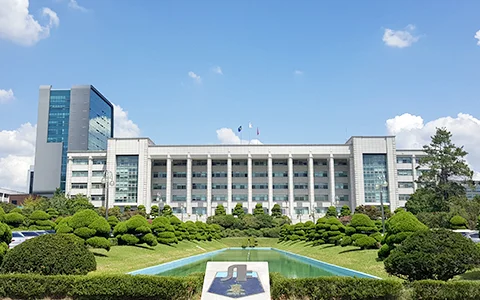
As of August 6, 2026, Inha University has established seven ‘Industrial Complex Collaboration Centers (IPCCs)’ representing Incheon’s strategic industries and is operating them as hubs for industry-academia-research cooperation 2. The seven IPCC fields include smart manufacturing AX, logistics AI, future automobiles, bio, semiconductors, energy, and aerospace & defense, providing comprehensive support for industry-academia joint research, specialized education for employed workers, and technology commercialization 2.
The ‘IPCC Innovation Salon,’ operated at these cooperation hubs, is a representative program that shares research outcomes and immediately reflects corporate demands. The ‘2nd Smart Manufacturing AX IPCC Innovation Salon,’ held on July 25, 2026, at Inha University’s Regional Intelligence ACE Center, was attended by university researchers, officials from Incheon Technopark, and employed workers from local manufacturing companies 2. Participants shared the latest trends in manufacturing AI technology and discussed linkage plans for ‘One-Day Solutions’ that instantly diagnose companies’ technical difficulties 2. Baek Sung-hyun, Head of the Anchor Project Division at Inha University, evaluated these activities as a platform connecting the university’s research capabilities with on-site demands from companies, and emphasized that the 7 IPCC networks would be continuously expanded to build a virtuous cycle ecosystem 2.
The I-RISE Award Encouraging the Social Return of Achievements
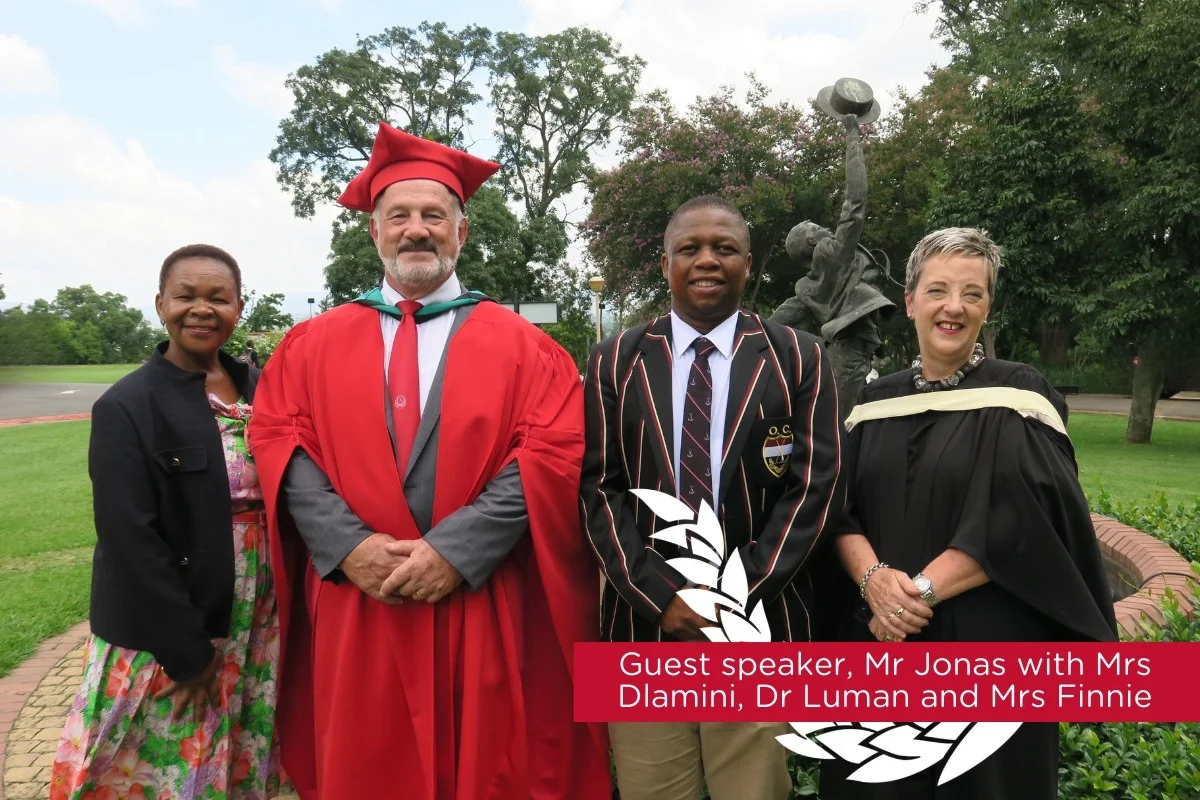
On January 30, 2026, Inha University held the ‘I-RISE Award’ ceremony as part of Incheon City’s RISE (Regional Innovation-centered University Support System) project, moving to discover world-class research achievements 3. Hosted by Inha University, this event selected winners based on objective indicators that precisely analyzed the quality of research and academic impact.
Inha University collaborated with Elsevier Korea, a company that analyzes information in the research and innovation fields, to conduct the evaluation based on data from 2022 to 2024 3. Rather than a quantitative evaluation centered on the number of papers, it integrated indicators capable of gauging international standing, such as publication records within the global top 10%, Field Weighted Citation Impact (FWCI), and total citations 3. As a result, the ‘I-RISE Global Top 10 Research Award’ was presented to 10 researchers who achieved outstanding international results, and the ‘I-RISE Research Award’ was presented to 4 contributors to technology transfer and research funding 3.
The awarded research achievements do not end here. Inha University operates outreach programs for winners, including special lectures for Incheon citizens, mentoring, and Open Labs, and produces promotional content to strengthen the social return of outcomes and the foundation for industry-academia-research collaboration 3.
Research Outcomes in Bio and Environment, Joining Hands with Global and Regional Special Zones
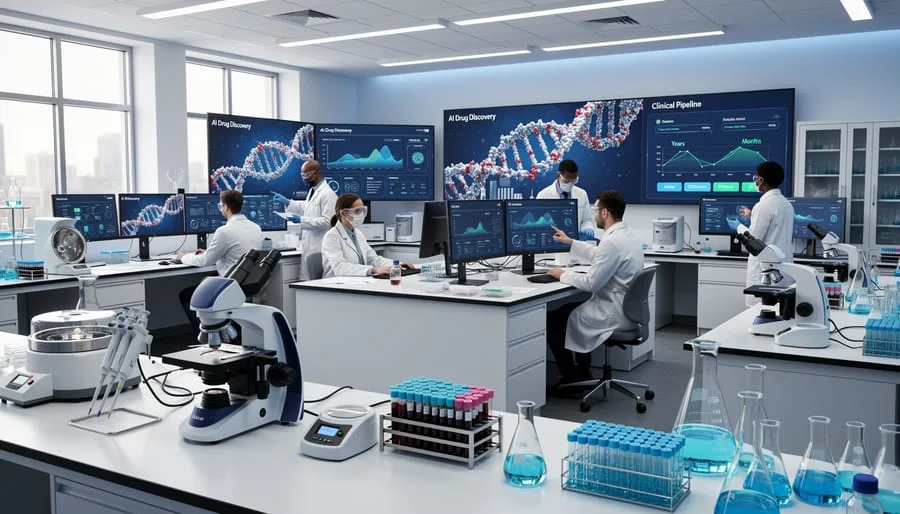
Incheon’s industry-academia-research collaboration is expanding its scope through global networks and international academic exchanges. On October 7, 2026, the city signed an MOU with the Global Korean Life Scientist Association, connecting a North America-centered network of over 16,000 Korean life scientists to the Songdo Bio Cluster 4.
The core of this agreement is talent development, going beyond simple network connectivity. Both parties agreed to build a system for cultivating advanced talent in next-generation AI and new drug development and to promote regular industry-academia-research-government networking based at the Songdo Bio Cluster 4. Additionally, they are supporting local AI and bio startups to seek global expansion utilizing the North American network, and are implementing cooperation on the ground, such as co-hosting the ‘AI Bio New Drug Development Summit’ on Yeongjongdo on October 23, 2026 4.
Meanwhile, the sharing of outcomes in the environmental sector focuses on commercialization potential linked to regional special zones. On September 9, 2026, the Incheon Metropolitan City Institute of Health and Environment hosted the ‘7th Incheon-Tianjin International Academic Forum on the Environmental Sector,’ presenting 10 latest research outcomes 5. This forum has evolved beyond exchanges between the two cities into a multilateral academic exchange involving numerous Chinese universities, including Nanjing Tech University and Sichuan University 5. In particular, with the Incheon Jiangsu Special Zone participating as a co-organizer, the foundation for industry-academia-research collaboration has been significantly strengthened by directly linking academic achievements from universities and research institutions to regional industries and probing the possibility of on-site application 5.
| Sector | Collaborating Entities and Key Programs | Sharing and Utilization of Research Outcomes |
|---|---|---|
| Bio | Global Korean Life Scientist Association / AI New Drug Development Summit (2026.10.23) | Connecting 16,000-person North American network, cultivating next-gen AI & new drug talent, startup accelerating 4 |
| Environment | Incheon Institute of Health & Environment, Incheon Jiangsu Special Zone / Incheon-Tianjin International Academic Forum (2026.9.9) | Korea-China multilateral academic exchange (presentation of 10 research outcomes), linking with regional industries and probing commercialization potential 5 |
A Perspective Towards a Sustainable Innovation Ecosystem
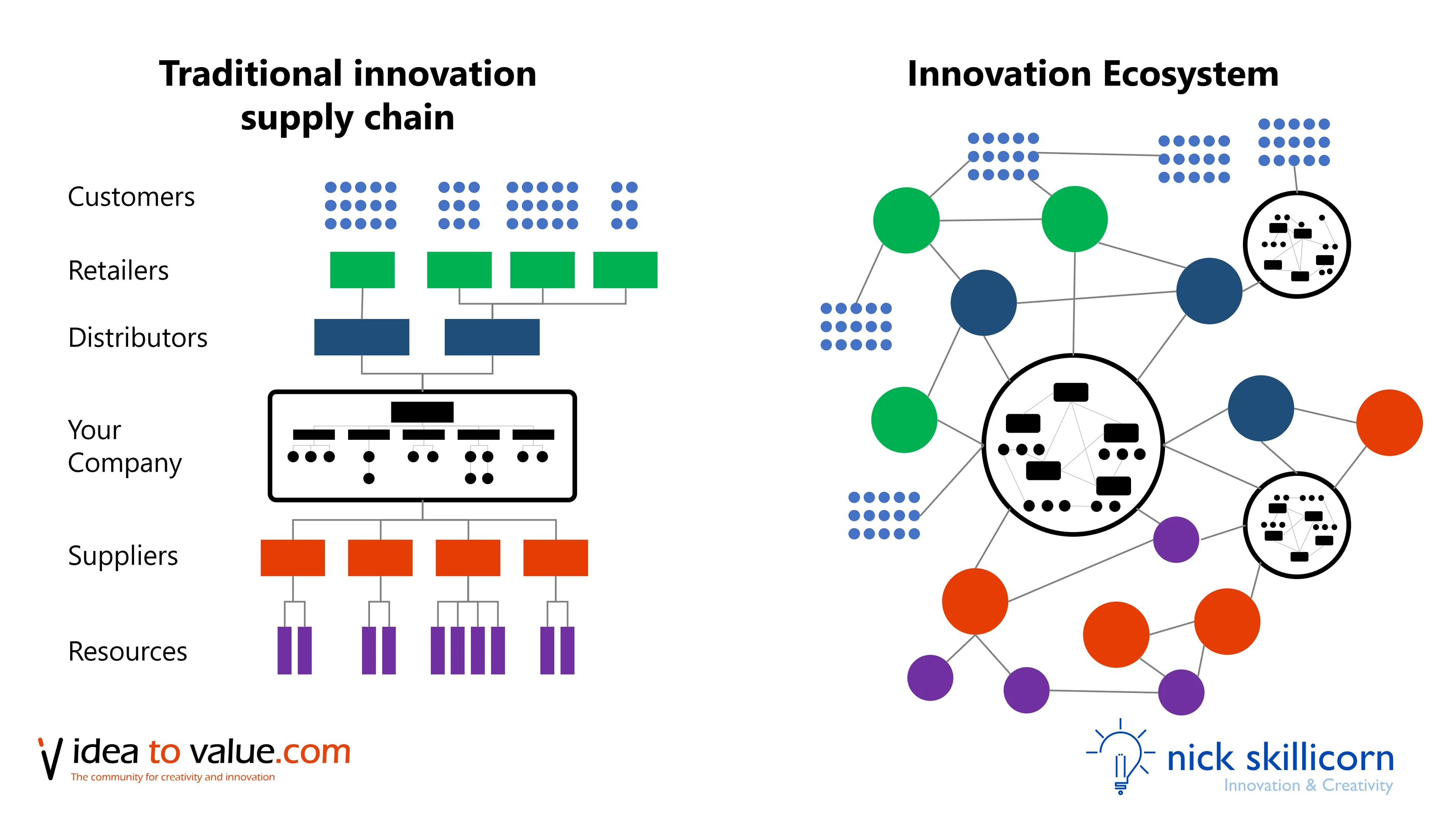
The industry-academia-research collaboration promoted by Incheon City demonstrates that university labs are transforming from closed vaults of knowledge into open innovation platforms that solve companies’ technical problems. Discussions on One-Day Solutions at the IPCC Innovation Salon or the operation of Open Labs for citizens following the I-RISE Award are structures designed so that research outcomes do not remain confined to documents called papers but seep into the community and industrial sites 23.
Discovering new R&D tasks through sub-committees, localizing global talent networks, and probing commercialization linked with Jiangsu Special Zones all reflect Incheon City’s will to transform research outcomes into actual drivers of industrial innovation 145. These platforms precisely interlock the university’s academic capabilities with companies’ on-site sensibilities, laying the foundation for Incheon’s major strategic industries to break through technical hurdles and achieve sustainable growth.
References
- 인천시, 미래차 산업 전환 가속…산·학·연 협력 플랫폼 구축 · v.daum.net↩
- 인천앵커센터 > 보도자료 · i-rise.or.kr↩
- 인하대, 지역 산업 기술 혁신·경쟁력 강화 ‘I-RISE 어워드’ 시상식 · incheonnewspaper.com↩
- 인천시, 바이오과학기술원 설립 본격화··· 글로벌 한인... · incheontoday.com↩
- [인천시] ‘제7회 인천-톈진 환경분야 국제학술포럼’ 개최 | 워터저널 · waterjournal.co.kr↩