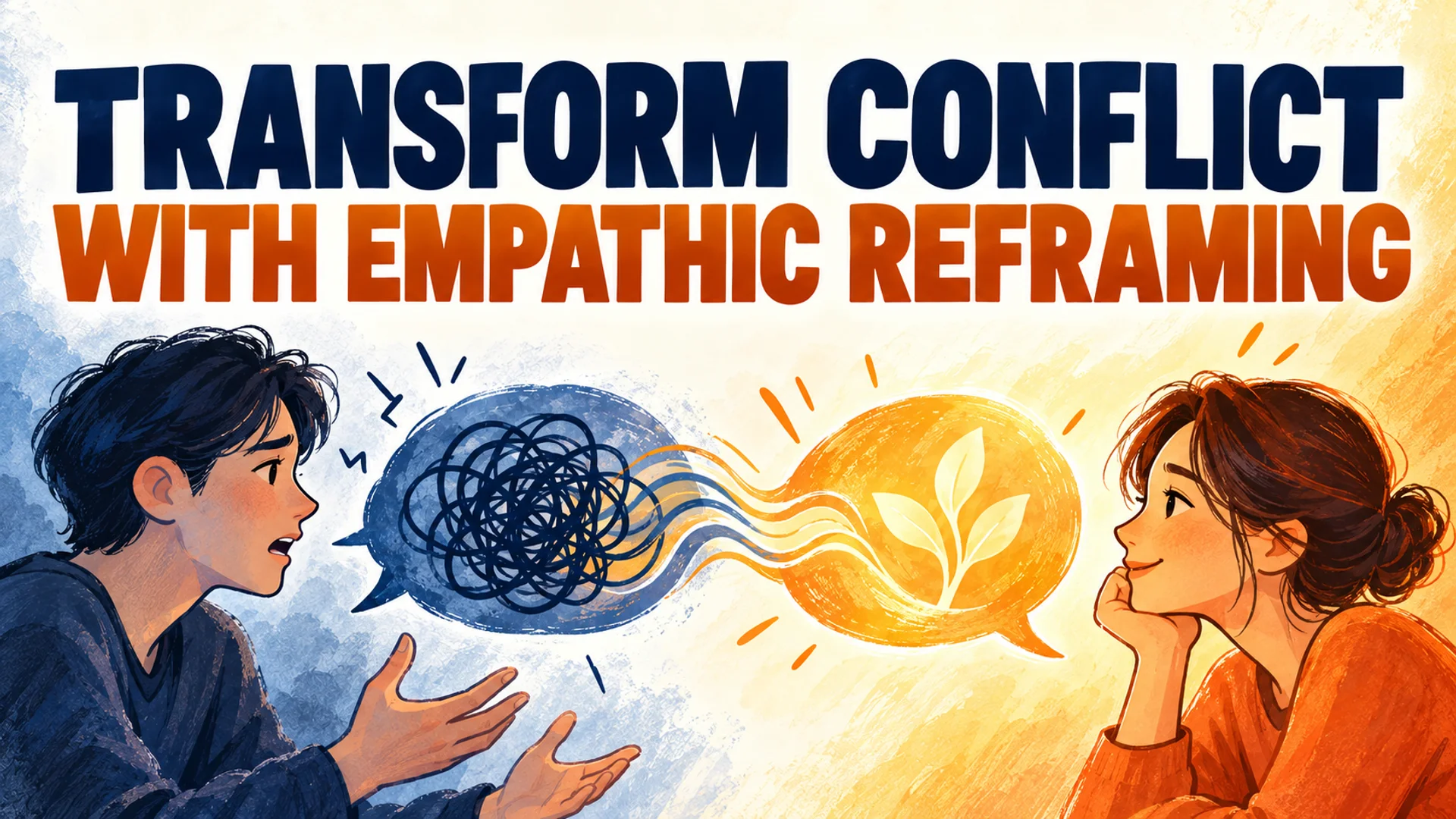
When we are in a conflict situation that feels suffocating and the other person remains as closed off as a wall, no matter how good the solution we propose, how should we begin our conversation? Merely acknowledging the other person's emotions often fails to unblock the flow of dialogue. What is needed in such cases is "empathic reframing"—a technique that reinterprets the other person's emotions and perspective from a new angle, thereby changing the framework of the conversation itself. According to an analysis of psychology publishing trends in September 2026, efforts to recover psychological safety by breaking free from relationship fatigue and emotional over-involvement have emerged as a major trend 1. This article examines the psychological mechanisms that create moments when words flow, along with a practical three-step process.
Why Do Words Fail Us: Psychological Defenses and Relationship Fatigue
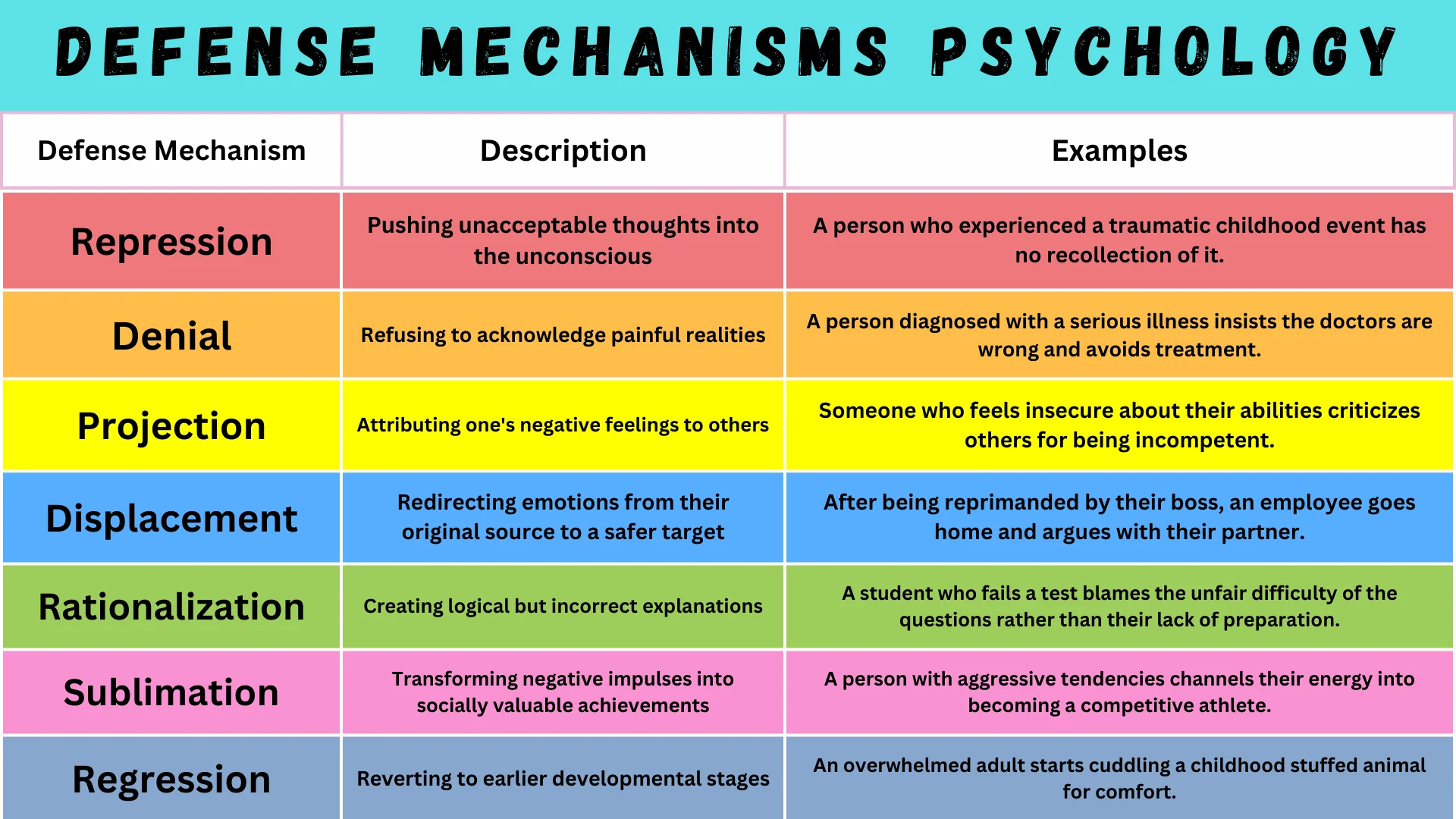
The biggest obstacle in dialogue and conflict is the "defense mechanism" perceived by the other party. When the other person is in a defensive posture, any logical argument we present is more likely to be interpreted as an attack threatening them rather than as a fact. In the 2026 psychology book market, "relationship fatigue and distancing" emerged as a key issue 1. This reflects many readers' desire to escape environments that drain them in their relationships and to find psychological stability.
A blockage in speech during conflict is not simply a lack of vocabulary. It is a signal that the other person's psychological safety is being threatened and that they are remaining in a state of emotional over-involvement. Offering premature advice to a partner exhausted by the relationship can deepen their state of "over-involvement." As seen in cases like the book The Over-Involved Society, the more excessive meaning is attached to emotions, the more negative feelings can amplify; therefore, rather than simply accepting emotions, efforts to healthily restructure the relationship are necessary 1. Recent discourse emphasizing psychological distancing suggests the prerequisites for lowering defensive walls and creating "moments when words flow" where genuine communication can occur 1.
What Is Empathic Reframing?
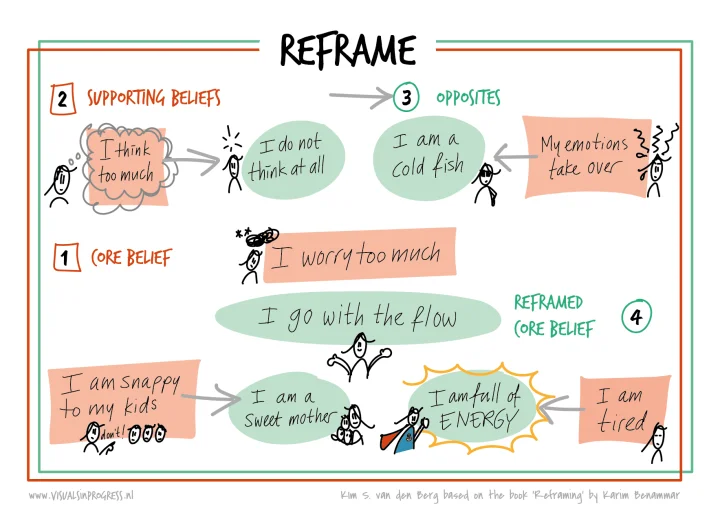
Empathic reframing goes beyond general empathy that simply offers comfort such as "I see" or "You must have had a hard time." This technique is a psychological method that shifts the narrow and negative perspective (frame) through which the conversational partner views their problem into a broader, more cooperative perspective. This is because the essence of conflict often arises not from the difference in events themselves, but from "the difference in interpretation of the events." Reframing does not ignore the other person's emotions; instead, it illuminates the context that triggered those emotions from a new perspective, resetting the direction in which the conversation should proceed.
In particular, the concept of "distancing oneself from emotions," which has gained attention in recent psychological trends, proposes a method of appropriately letting emotions pass through rather than dissecting them 1. Empathic reframing also does not attempt to eliminate the other person's negative emotions but redefines the context in which those emotions exist. This serves as a psychological channel that prevents burnout caused by excessive meaning attribution to emotions and helps the other person escape emotional over-involvement. Ultimately, reframing is not a weapon that breaks down the other person's defensive walls, but a psychological tool that opens a door through which we can walk together beyond those walls.
Step 1: Releasing Psychological Restraints Through Emotional Reflection
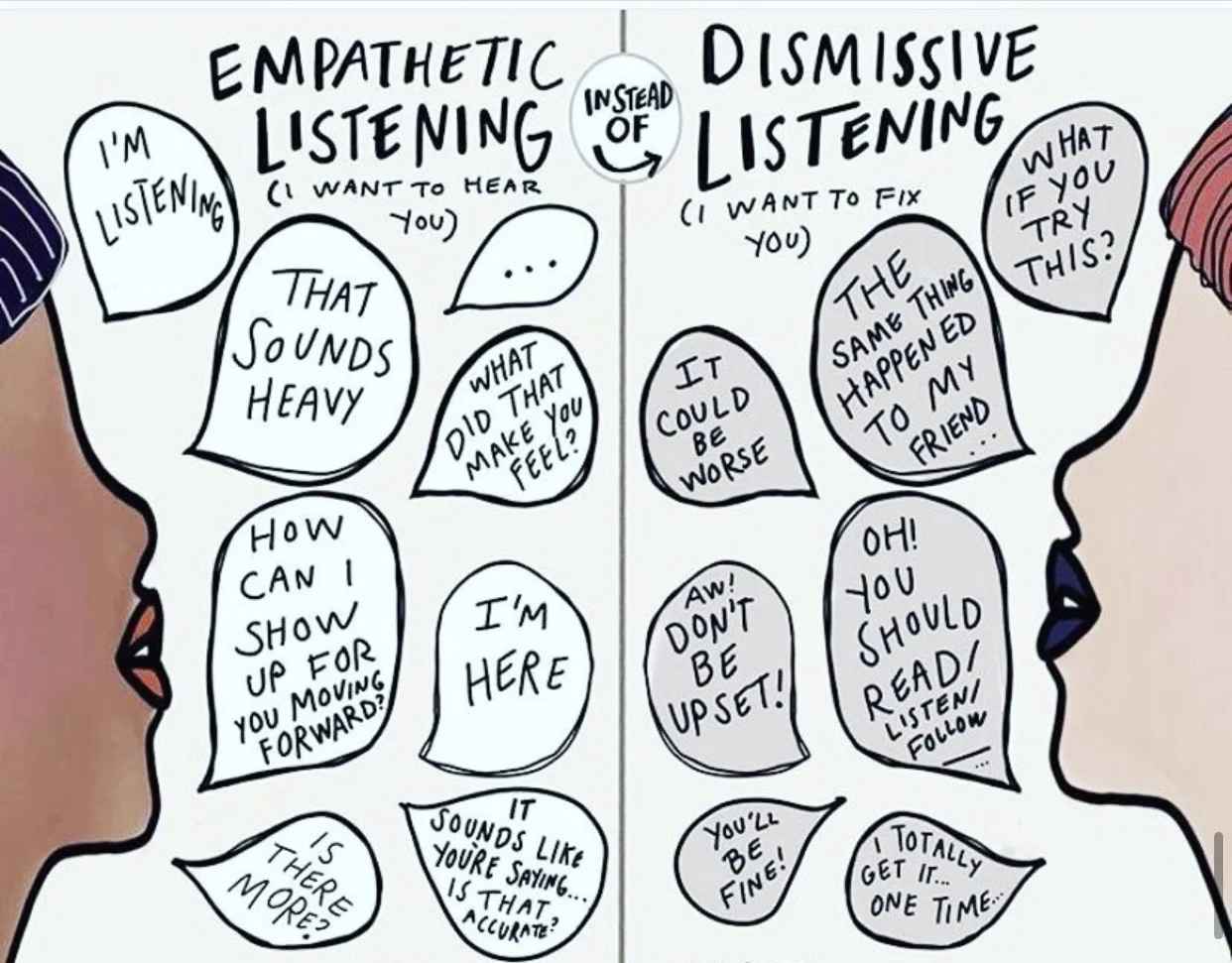
The first step to unblocking words is "emotional reflection," which mirrors the other person's emotions like a mirror. However, reflection here is not about pointing out that the other person's words are wrong. It is the process of identifying the emotional context the other person is in and returning it to them in words. As seen in the analysis of new psychology books in September 2026, where a strong trend addressing "hidden depression" appeared, even partners who appear perfectly fine on the surface may harbor burnout and emptiness within 1.
It is important to listen to the other person's words and recognize the needs or fatigue lurking beneath their emotions. Verbal reflections such as, "I hear that you feel you are carrying a heavy burden alone in this situation," provide the other person with a sense of psychological safety that they are understood. This lowers their defensive posture and allows them to loosen their own emotional restraints. At this stage, care must be taken to use language that is objective yet sincere, ensuring that emotional reflection does not stimulate the other person's emotional over-involvement.
Step 2: Assigning Meaning Through Perspective Reframing

If the other person's emotions have been accepted to some extent, the second step is "perspective reframing," which resets the viewpoint on the conflict situation. This is a process of shifting the focus from blaming the other person as the cause of the problem to positioning the issue as a "third-party task" that needs to be solved together. The emphasis on boundary setting and "distancing" from "relationships that drain me," as highlighted in 2026 psychology trends, aligns with a social trend that encourages recognizing problems not as personal failures but as issues of relational dynamics 1.
Expressions such as, "It seems this disagreement arose not because we disregard each other's methods, but because our directions differ in our desire to improve the project's quality," have the power to remove the frame of attacking the partner and transform confrontation into an opportunity for cooperation. When the individual escapes the state of emotional over-involvement and redefines the problem itself as an "object," the other person gains the breathing room to step out of a defensive attitude and accept new information. The key at this stage is to stop trying to gain a logical upper hand and to use creative language that reinterprets the problem.
Step 3: Proposing Collaborative Directions for Resolution (Collaborative Bridging)

The final step is creating a collaborative connection that opens the other person's heart and leads to "next actions." After lowering defenses and resetting perspectives, we must ask questions that allow the other person to actively participate in finding solutions. This focuses on inducing voluntary participation to minimize relationship fatigue.
The question, "How can we complement this part by leveraging our respective strengths going forward?" provides the other person with a sense of both responsibility and control. Communication in conflict situations should not be about defeating the other person, but about restoring trust by solving problems together. Just as the 2026 new psychology book trends emphasized the practicality of "crisis intervention," the final stage of dialogue requires an action plan for tangible and safe relationship restoration, beyond abstract understanding 1. Only when the other person proposes solutions in their own words is a true "moment when words flow" completed.
Application in Various Conflict Situations and Limitations to Note
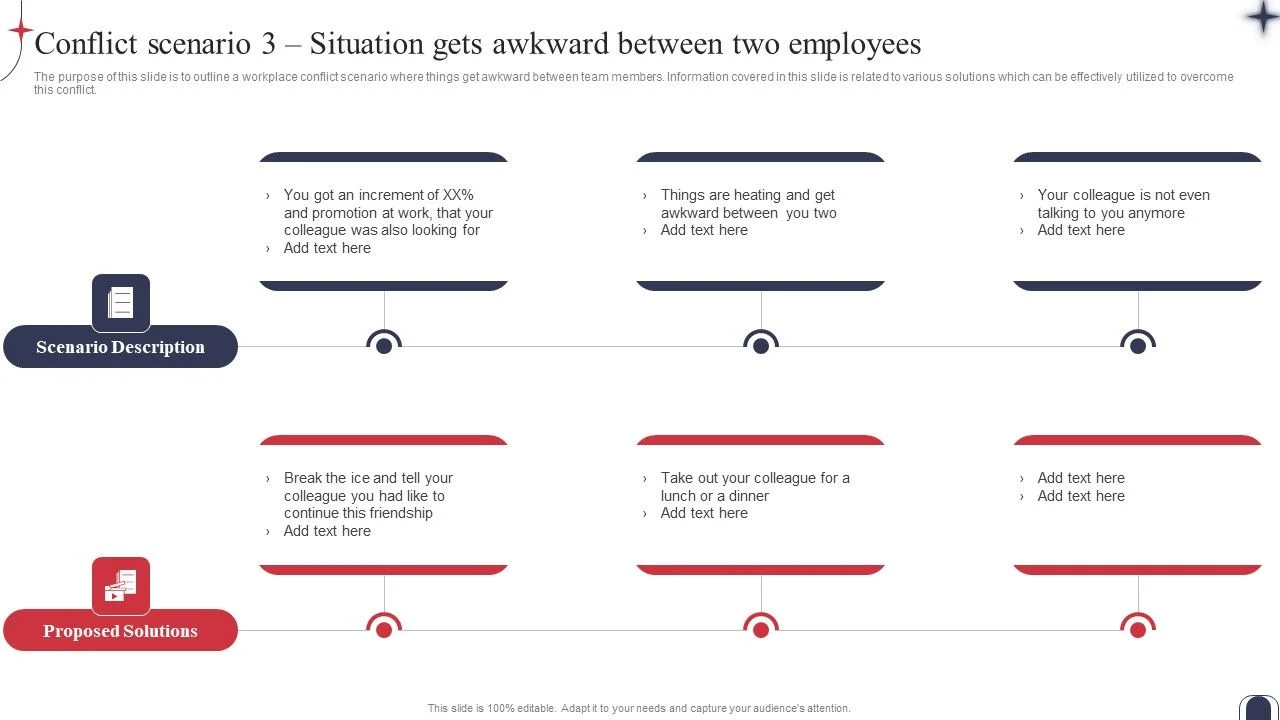
Empathic reframing can be applied in various contexts, such as workplace disagreements, inter-departmental conflicts, and personal relationships. However, we must recognize the limitation that mechanically applying it in all situations can raise doubts about sincerity. In particular, if psychological techniques are overused with partners in a state of "over-involvement," it may backfire by amplifying their emotions 1.
True reframing is not a process of suppressing the other person's emotions, but of naturally integrating those emotions into a new context. For partners whose relationship fatigue has accumulated, it is necessary to provide time to build trust alongside "appropriate distancing" 1. The moment words flow begins not with technique, but with an attitude that respects the other person's perspective. By calmly applying the three steps amidst the pressure of conflict situations, we can open each other's hearts and form healthier relationships.