In an era where music is consumed as 15-second TikTok challenge background tracks, are we truly "listening" to music?
Amidst the convenience of being able to pull any song in the world with a single finger, people are paradoxically craving deeper and richer musical experiences. As of 2026, the music market is reaching an inflection point, moving beyond a mere game of increasing streaming numbers and returning to the grand narrative of the "album."
Today, I want to move past simply reciting chart rankings and instead pinpoint the fundamental trend of why we are buying LPs again and why artists are obsessing over the organic cohesion of their entire albums.
The Era of Charts Fades, and the Changes Brought by Algorithmic Fragmentation
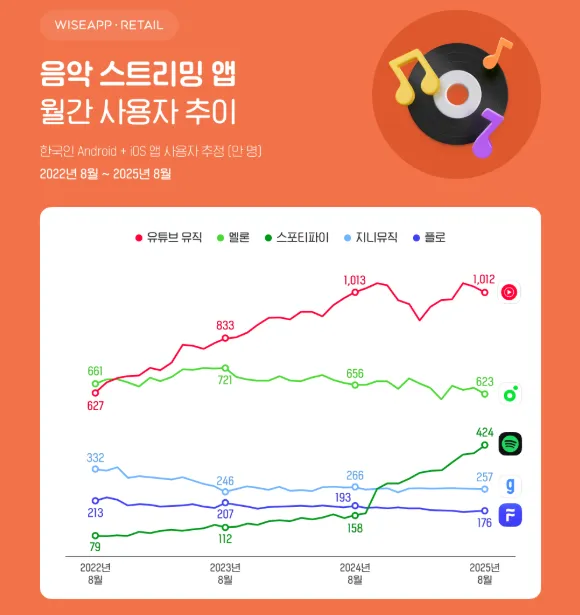
Only a few years ago, we were enthusiastic about the phrase "No. 1 on the Melon Chart." There was a belief that everyone was listening to the same songs and that those songs were the officially recognized anthems of the era. However, in 2026, that powerful "authority of the charts" has crumbled.
Controversies over chart manipulation and organized streaming competitions by fandoms have eroded the credibility of the charts. As a result, domestic platforms like Melon are struggling, reducing real-time chart functions or pivoting to new methods like "24Hits," but the public's consumption habits have already completely shifted.
The core today is algorithm-based hyper-personalization. This is precisely why YouTube Music has shaken up the domestic market and risen to the top of the industry. YouTube and Spotify analyze data on what songs I listen to, my mood, and even what time of day I listen to music to serve me "playlists made just for me."
The problem arises here. Algorithms trap us in a "prison of taste." Because they continuously play things similar to what I already like, "mega-hits" that everyone enjoys together have disappeared, and music consumption has become extremely fragmented. In an era where music flows like background music (BGM), we have become beings who are not "listening" to music, but being "recommended" music.
Why the "Album" Again? The Deficiency That Short-form Cannot Fill
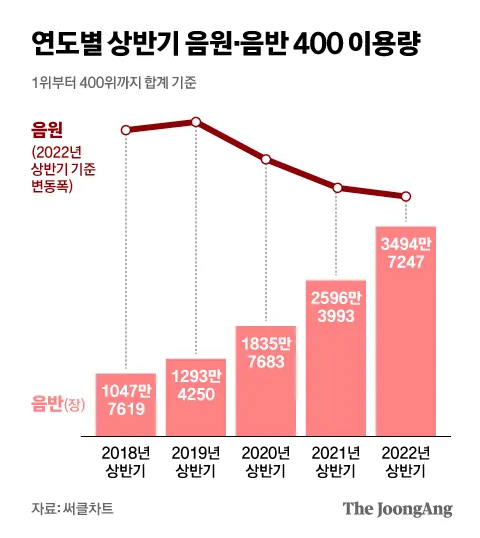
The more music becomes fragmented, the more people paradoxically start searching for "chunks of music." While the flashy melodies exploding within 15-second short-form videos are enjoyable, they are too short to understand the narrative of the song and the artist's philosophy.
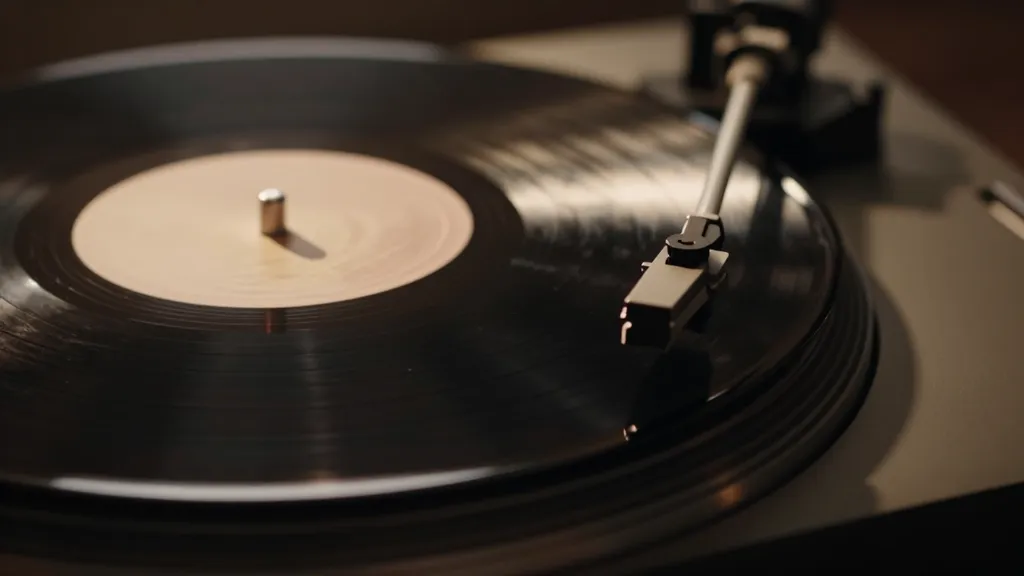
An interesting phenomenon observed in the recent music market is the revival of analog media. In the US, LP sales have already overtaken CD sales, and in Korea, deep affection for vinyl records and analog albums is forming communities centered around accounts like 'Domi Hyang (@mihyang_vinyl_music)'.
This is not simply a retro craze because "old things are good." It is a reaction against digital fatigue.
Streaming provides "accessibility." With one click, you can encounter all the music in the world. However, it does not provide "ownership and experience." An album, on the other hand, is different. Buying an album is an act of embracing an entire worldview designed by the artist.
For example, looking at the musical records of 2024, the difference is clear. Instead of chasing fleeting trends, some artists release albums that contain their identity. Whether it is Kim뜻돌 (Kim Ddeuk-dol) singing about fragmented individuality through shoegaze and dream pop, or Lee Seung-yoon resisting the existing order through maximalist aesthetics, it is ultimately because of the depth that "one single album" can hold.
Ultimately, the trend of 2026 is flowing toward a hybrid of "convenient streaming" and "experiential ownership." We listen lightly to algorithmic recommendations while moving, but when we return home, we choose a life of pulling out precious LPs and following the long breath of the artist.
A New Success Equation Told by Data
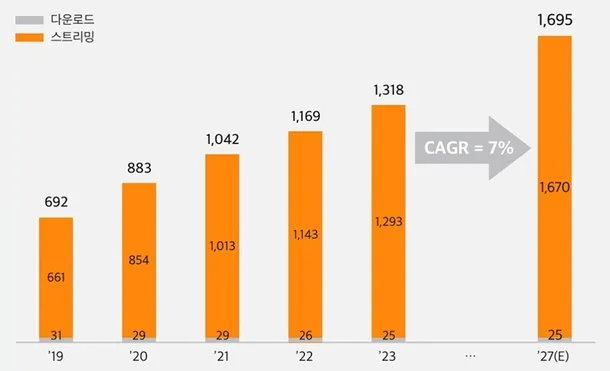
Then, how should artists and labels survive amidst these changes? The era of occupying the top of the charts by spending massive amounts of capital, as in the past, is over. The Melon data analysis results released in the second half of 2025 are highly suggestive.
Now, rather than the direct promotional power of major labels, the competitiveness of the content itself decides the winner. No matter how much money is spent on exposure, if the quality of the song and the emotional connection are weak, it cannot be selected by the algorithm.
The three pillars for success are as follows:
- Organic Growth: Even in a niche market, if the perfection of a song is high, data detects it and spreads it automatically.
- Organized Fandom Participation: Beyond simple listeners, an active fandom that shares the artist's worldview and builds playlists is essential.
- Algorithm Optimization: A data-driven strategy is needed to create "music you want to keep listening to," which induces high dwell time and repeated playback.
This may be an even harsher demand for artists. Beyond simply making good songs, they must manage communities with fans and devise musical devices that data can react to.
Sovereignty of the Music Industry, and Future Tasks
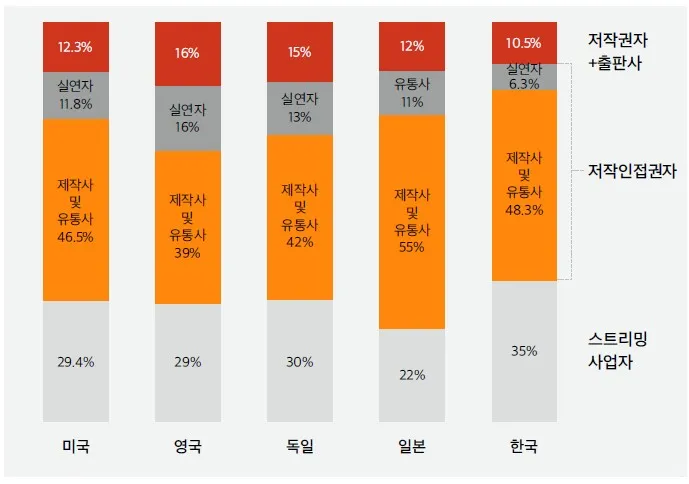
The structural changes in the music market pose an important question to us. In a situation where global platforms (YouTube, Spotify, etc.) dominate the market, how can we protect the sovereignty of our music?
If we are merely buried in the battle for streaming market share, we run the risk of becoming a dependent nation to foreign platforms. Experts advise that domestic platforms must evolve beyond being simple "music players" into "music ecosystem platforms" that bind K-content, performances, merchandise, and fan communities into one.
It is a time when technical and policy support is desperately needed to restore the credibility of the charts and to help small to medium-sized agencies and independent artists build their own territories without being swept away by the waves of the algorithm.
Ultimately, the music market of 2026 will be a battle of "how deeply one connects" rather than "how much one is heard." This trend, which moves beyond the fragmented stimulation of short-form back to the long breath of the album, will be a process of proving that music is not a simple consumable, but an art that sustains our lives.
Music is now evolving beyond listening into an act of owning, experiencing, and dwelling within that worldview. What kind of music are you listening to today? Is it a short melody handed to you by an algorithm, or the first track of an album you carefully chose over a long period?
Please share in the comments which 'album' you have been most deeply immersed in recently!
References
- MiHang Do (@mihyang_vinyl_music) • Instagram photos and videos · instagram.com
- 2024 올해의 앨범 TOP 50 - 브런치 · brunch.co.kr
- 차트의 죽음, 알고리즘의 탄생...듣는 시대'에서 추천받는 시대'로 · hankyung.com
- 현대 음악의 소비 방식과 표준 변화 : 네이버 블로그 - Naver Blog · blog.naver.com
- 음악 스트리밍 시장 규모 및 점유율, 2035년 전망 보고서 · researchnester.com
- 멜론 데이터를 활용한 디지털 음원의 성공 요인 분석 · jiisonline.org