For fans facing an upcoming K-POP concert, the biggest dilemmas are likely "Which seat should I pick?" and "How much is reasonable to spend?" To get straight to the point, the current K-POP performance market operates on two massive pillars: the choice between the dynamic experience of standing versus the comfort of seating, and the center of 'Fanconomy,' where the collective purchasing power of fandoms drives the national economy.
Moving beyond simply going to see a favorite artist, K-POP has now become a massive industry and an economic phenomenon. In this article, we will dive deep into the characteristics of concert seating, the reality of ticket prices, and how all of this creates immense economic value.
Standing or Seating: The Aesthetics of 'Placement' That Determines Your Viewing Style
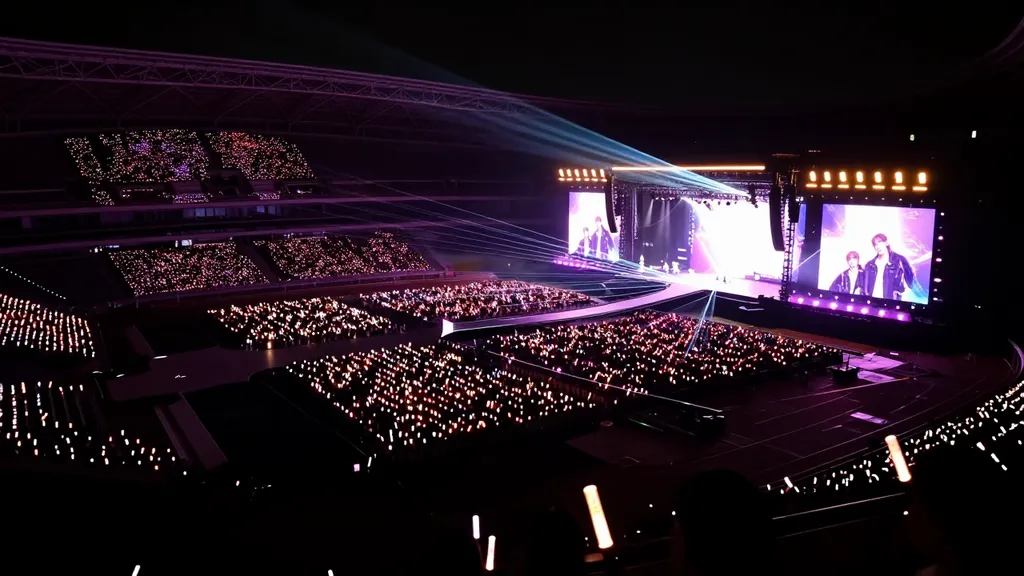
It is no exaggeration to say that the success or failure of concert ticketing actually depends on "which zone you aim for." Venue seating is largely divided into standing and reserved (seated) areas, which creates a stark difference in the viewing experience.
First, standing areas are a dream space for fans who want to minimize the distance from the artist. It is the best choice for those who want to feel even the artist's breath right in front of the stage or those who want to fully immerse themselves in the energy of "sing-alongs" while moving their whole body to the rhythm. However, there is significant physical exhaustion involved, and there is the risk that the stage may not be clearly visible because of the person in front of you.
On the other hand, reserved seats are for those who prefer a stable viewing experience. Usually, seats are divided into R, S, and A tiers, and their characteristics are as follows:
- R-tier: Occupies the front part of the center stage block; it is a premium zone where you can see the artist's performance most vividly.
- S-tier: Refers to the central area excluding the R-tier or the front part of the side blocks. This is the section most targeted by fans looking to balance cost-effectiveness with visibility.
- A-tier: Primarily refers to the back rows of the 2nd or 3rd floors, or the far edges far from the stage. While the price is low, the disadvantage is that it is somewhat distant to fully immerse oneself in the stage production.
Recently, there has been an increase in smart fans who move away from the perception that "front seats are always better" and instead prefer 'Medium Zones'—areas that offer a wide view and good acoustics at an appropriate price point. This is because watching the stage lighting production and the artist's facial expressions through large screens can sometimes provide an even greater sense of emotion.
The Two Sides of Ticket Pricing: Why Do We Suffer Through 'Picketing'?
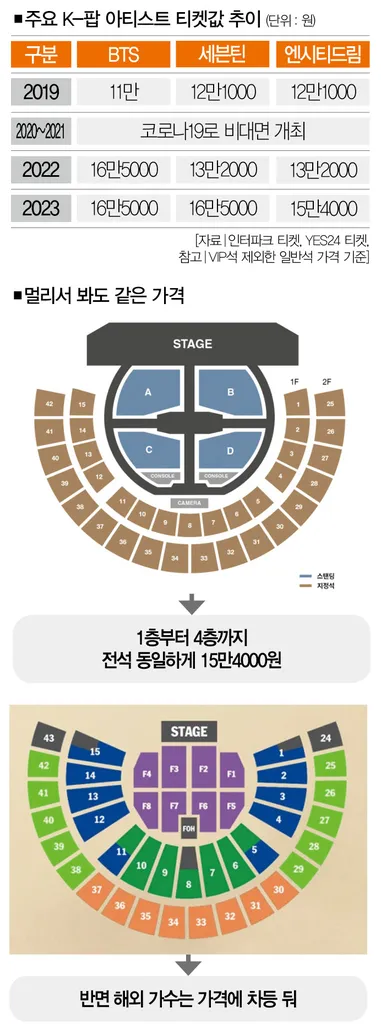
Once the seat is decided, the next factor is 'price.' The rising dissatisfaction among fans regarding K-POP concert ticket prices is not simply because the amounts are high. There are structural issues intertwined here.
Based on face value, tickets for major artists are often formed between approximately 180 (about 100,000 to 250,000 KRW). However, reality is not so simple. Because global star performances sell out the moment reservation begins, many fans are forced to turn to the scalper market (resale market) with heavy hearts. The sight of a ticket originally priced at 100,000 KRW skyrocketing dozens of times due to scalpers has become a common occurrence.
The problem here is the monopoly of scalpers using macro programs. They use technology to sweep up face-value tickets and then charge exorbitant prices, which ultimately increases the economic burden on fans and hinders true communication between the artist and the fans. Although there are movements to prohibit unfair sales via macros through recent legal amendments, there are still limits to perfectly blocking peer-to-peer transactions, which is being pointed out as a major crisis in viewing culture.
Furthermore, economic factors such as global inflation and rising production costs cannot be ignored. While it is a natural phenomenon for ticket prices to rise alongside inflation, suspicions of pursuing excessive profits by exploiting the extreme concentration of demand are points that cause fans to constantly feel skeptical.
The Economic Storm Created by 'Fangirling/Fanboying': The Power of Fanconomy
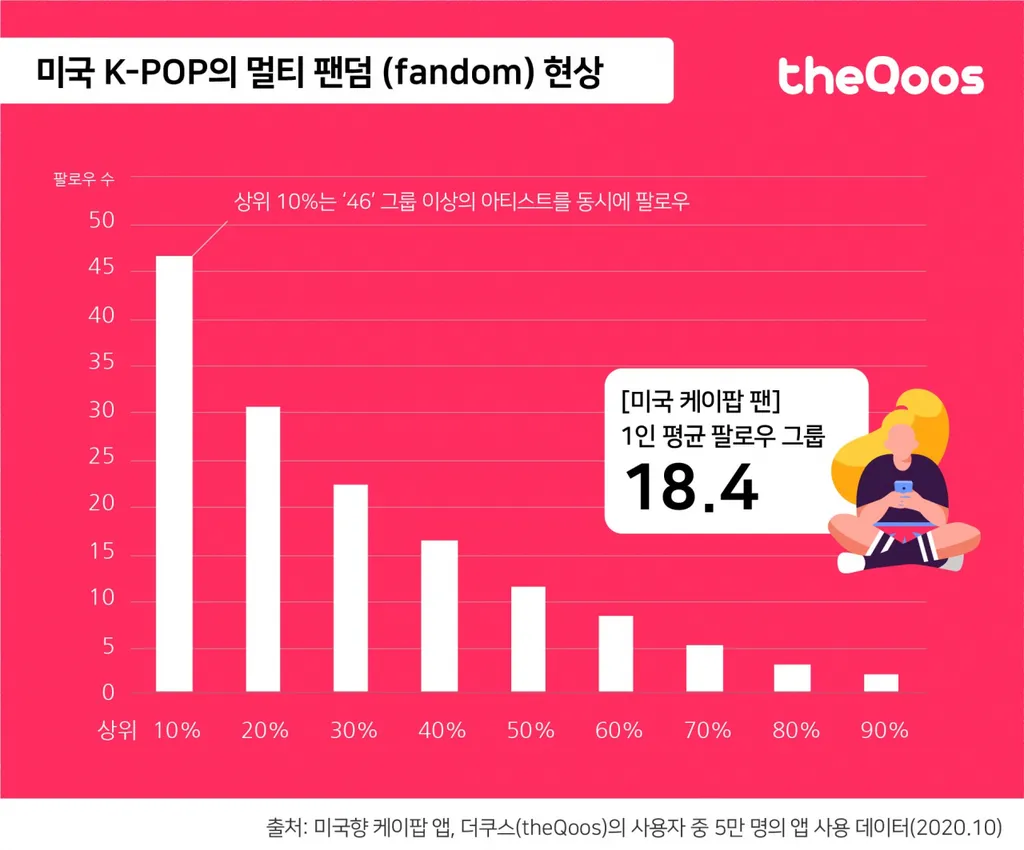
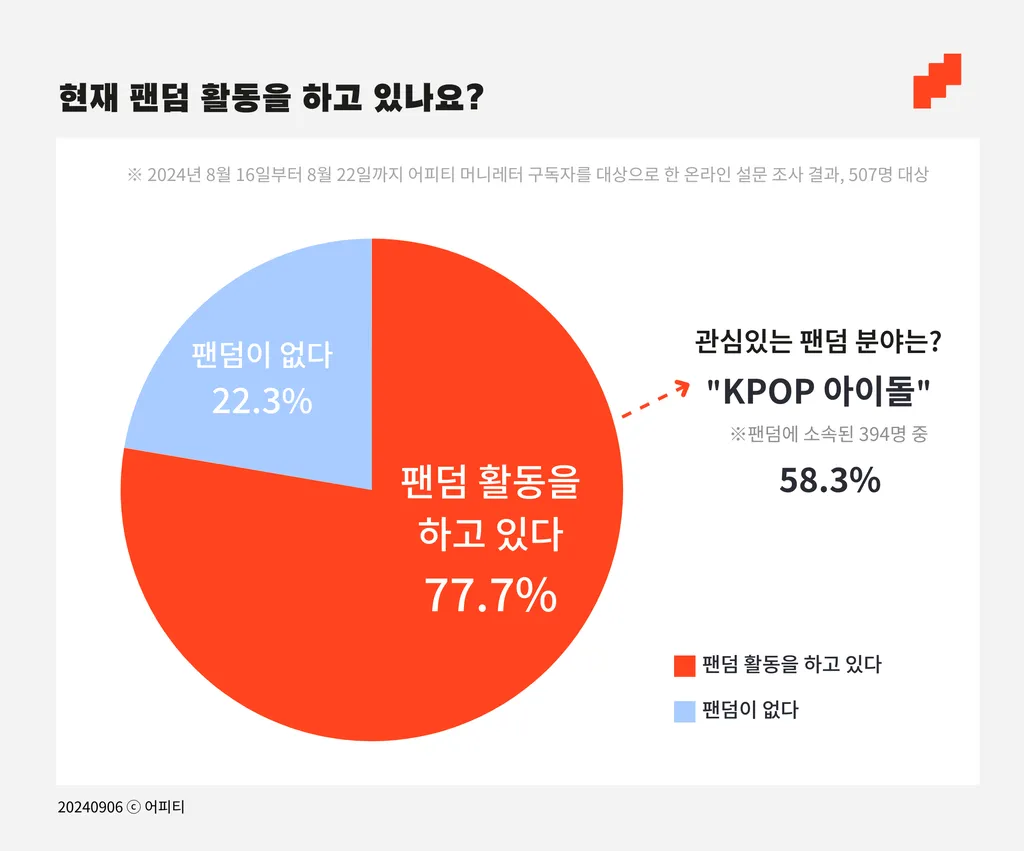
However, one should not view the K-POP fandom at the center of this heated debate merely as 'consumers.' Fandoms are now 'prosumers' who create value themselves and the core driving force of 'Fanconomy,' an economic entity.
The fandom economy is much larger and more systematic than we think. Beyond simply buying albums and attending concerts, the cohesion of a fandom creates the following macro-economic effects:
- Massive Value Creation: Merchandise sales for entertainment companies like HYBE approach trillions of won annually, and fan community platforms like Weverse have established themselves as new digital revenue models.
- Relief for the National Economy: As seen in the case of BTS, the economic effect created by a single group's activities can account for a significant portion of the national GDP. The average per capita consumption of overseas fans is twice that of general tourists, contributing to the foreign exchange balance.
- Revitalization of Local Economies: Like the BTS bus stop in Gangneung, fandom holy sites become landmarks that stimulate local tourism industries and serve as vitalizing forces for local economies.
- Leading Global Trends: Just as Taylor Swift's 'Swiftnomics' had a multi-trillion won impact on the US economy, the collective purchasing power of K-POP fandoms has the power to change the flow of the global market.
In this way, fandoms have evolved beyond simple fan clubs into an 'economic community' that exerts social and economic influence.
For Sustainable Fandom Life: The Tasks Ahead of Us
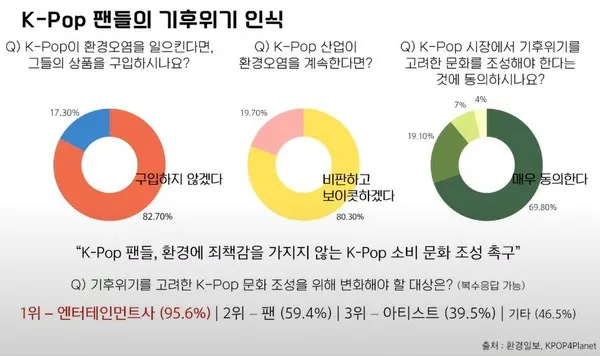
For the K-POP industry to sustain its current explosive growth, there are several tasks to be solved.
The first priority is to establish a fair ticket distribution system. Technical and legal measures must be strengthened to prevent scalpers from disrupting the market, creating an environment where fans can enjoy performances at fair prices.
Additionally, it is important to ensure qualitative stability of content so that the fandom economy does not undergo a sudden recession due to excessive dependence on specific artists. To ensure that fandom passion is not criticized as 'economic irrationality,' companies must maintain a healthy emotional connection with fans while establishing transparent marketing strategies.
Ultimately, a K-POP concert is more than just a music performance; it is a cultural phenomenon. For this phenomenon to achieve sustainable growth, the spontaneous energy of fandoms, the strategic management of companies, and the institutional support of the government must harmonize.
From the fierce competition and high prices of concert ticketing to the massive economic waves hidden behind them—K-POP has now become a massive engine that moves our economy and culture beyond simple music.
If you were going to a concert, what choice would you make? The heat of the standing area, or a reserved seat for a relaxed viewing? Please let us know your precious opinions in the comments!
What is your concert viewing style? Please share in the comments!
References
- K-POP 아이돌 콘서트 관람수요 영향요인 분석 · koreascience.kr
- 신드롬이 곧 산업…'덕질'이 경제를 구하는 '팬코노미' 효과 · m-joongang.com
- 팬덤 경제 - 집단소비가 국가경제를 흔드는 힘 · m.joseilbo.com
- K팝 콘서트 좌석 가격은 어느 정도가 적당해? : r/kpophelp · reddit.com
- 케이팝(K-POP) 콘서트 티켓값은 문제를 해결하고 있는가? · blog.naver.com
- 콘서트 티켓 가격 vs 좌석 위치 : r/DMB · reddit.com
- 공연 R,S,A 좌석의 차이 - 네이버 블로그 · m.blog.naver.com
- “티켓 재판매 조치 없다면 관람문화 큰 위기 맞게 될 것” - 주간경향 · weekly.khan.co.kr