"Everyone else is doing TOEIC, getting certifications, participating in extracurricular activities... I've worked so hard, so why do I keep failing?"
If you have ever prepared for employment, this is a question you have likely asked yourself while losing sleep. In 2026, we live in an era overflowing with "specs" (qualifications) more than ever before. Paradoxically, however, companies are no longer enthusiastic about high GPAs or a long list of flashy certifications as they once were.
We are clearly running as hard as we can, so why does the threshold of the job market feel higher than ever? The reason is that our "success formula" has completely changed.
Why has your flashy spec become useless?
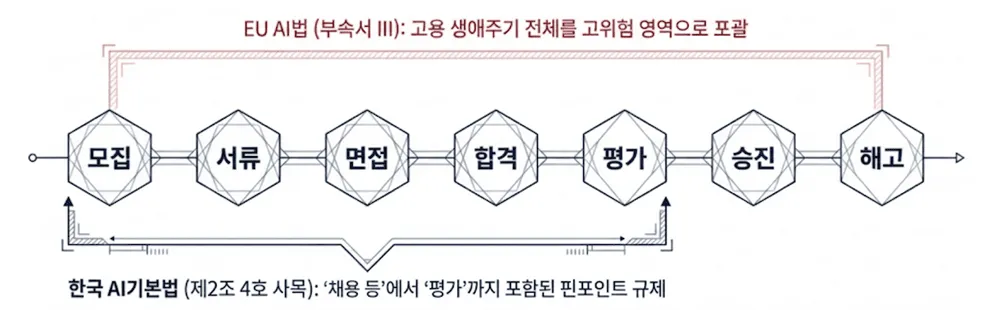
The reason is clear: Artificial Intelligence (AI) has replaced a significant portion of human knowledge work. In the past, the ability to memorize and organize vast amounts of data was a core spec, but that domain has now become the responsibility of AI.
The sense of crisis felt by companies begins here. They are facing the fundamental question: "If AI can do all this work, why should we pay a high salary to hire a person?" Consequently, the recruitment trend of 2026 has shifted sharply toward finding people who can prove they belong to the "domain where AI cannot perform."
The era of simply listing "what you learned" is over. Now, the core is "how you used that knowledge to solve problems" and "how you collaborated with colleagues to create synergy." In short, the paradigm has shifted from the "Era of Specs" to the "Era of Skills."
Many applicants are still preoccupied with writing down what they studied. However, you must remember that 72% of recruiters already value practical competency more than certifications. The real reason we are repeating futile efforts is that we are missing this flow of change.
The 3 "Uniquely Human Competencies" Companies Want in 2026
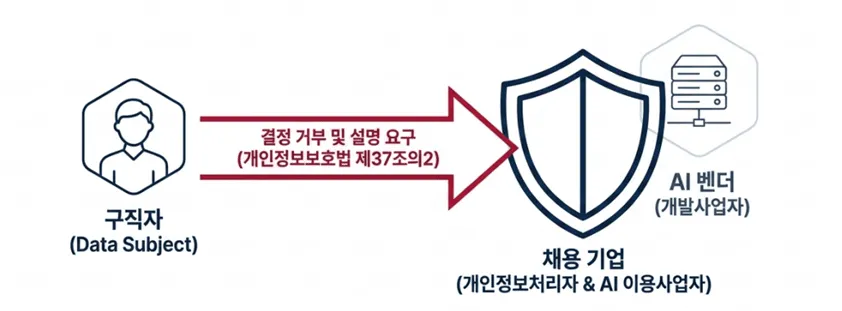
So, what should we prepare? The talent that companies are searching for can be summarized into three main pillars.
1. 'AI Literacy': Using AI as a Tool
AI is no longer a competitor, but your most capable assistant. Moving beyond simply knowing how to use ChatGPT, AI Literacy—the ability to automate repetitive tasks using AI and catch errors in AI-generated outputs—is essential. You must demonstrate the ability to maximize work efficiency by collaborating with AI, acting as an "AI Collaborator."
2. 'Team-fit' and Communication Skills: Creating the Team's Color
While "Culture Fit" (adapting well to organizational culture) was important in the past, 2026 is the era of "Team-fit," which looks at how well you align with the specific values of the team you will join. People who connect emotionally with teammates to create synergy are more welcomed than those who simply score 100 alone. The core lies in "human" competencies: communicating with others based on critical thinking and exercising ethical judgment in conflict situations.
3. 'Problem-Solving Competency': Defining Problems Yourself
AI is good at answering given questions, but it cannot define "which problem is the real problem" on its own. Companies crave "professional manager" type talents who take ownership of a project, define the problem, and lead the solution from planning to execution.
How to Write a Portfolio that Proves 'Competency' Instead of 'Specs'
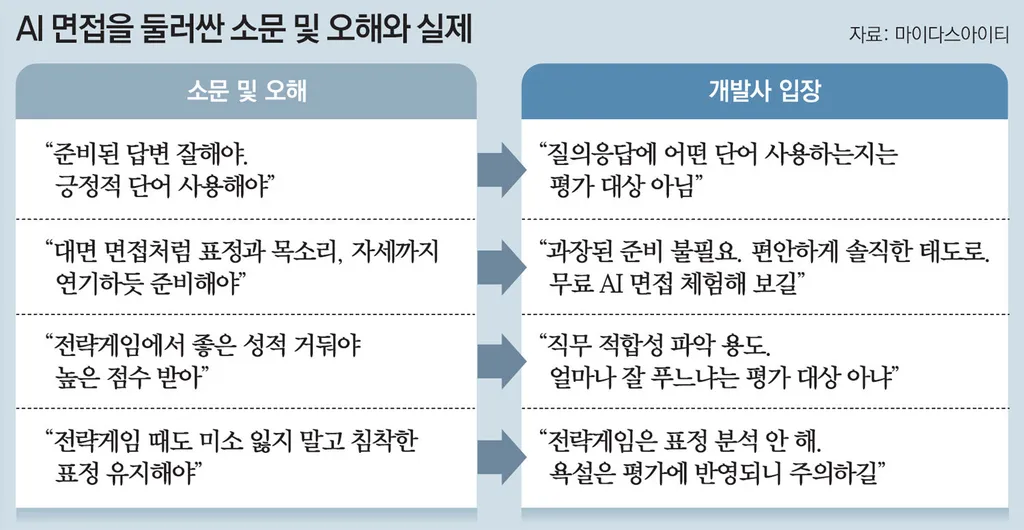
It is time to change your strategy. Writing "Possesses Certification A" or "Completed Activity B" on a resume no longer creates much impact. Instead, you must build a result-oriented portfolio that can visually and logically demonstrate your competencies.
I suggest a three-step process to create a successful portfolio.
Step 1: Include the Process, Not Just the Result
The most common mistake is simply uploading a final result. What recruiters are curious about is not "the result was good," but "what obstacles did you face, and how did you solve them?" Use the STAR technique:
- S (Situation): What was the situation?
- T (Task): What was the task that needed to be solved?
- A (Action): What specific actions did you take? (It is good to include the AI tools or collaboration methods used here)
- R (Result): What was the outcome? (Expressing this in numbers is even better)
Step 2: Increase Credibility with a 'Public Resume'
A one-page paper resume has limited power. Use online platforms like Brunch, YouTube, LinkedIn, or online whiteboard tools like BoardMix to create a "digital space" that showcases your expertise. A highly versatile portfolio that allows you to show your traces of thought, code samples, or planning documents with a single link becomes a powerful weapon.
Step 3: Emphasize 'Cross-Skilling' that Breaks Job Boundaries
Appeal to being a "Full-stack Talent" who possesses competencies in adjacent roles as well as your major. For example, if you are a data analyst, weave in humanistic insights that read the emotions contained in data; if you are a service planner, incorporate IT knowledge that understands technical feasibility into your portfolio.
Final Checklist for a Non-failing Portfolio
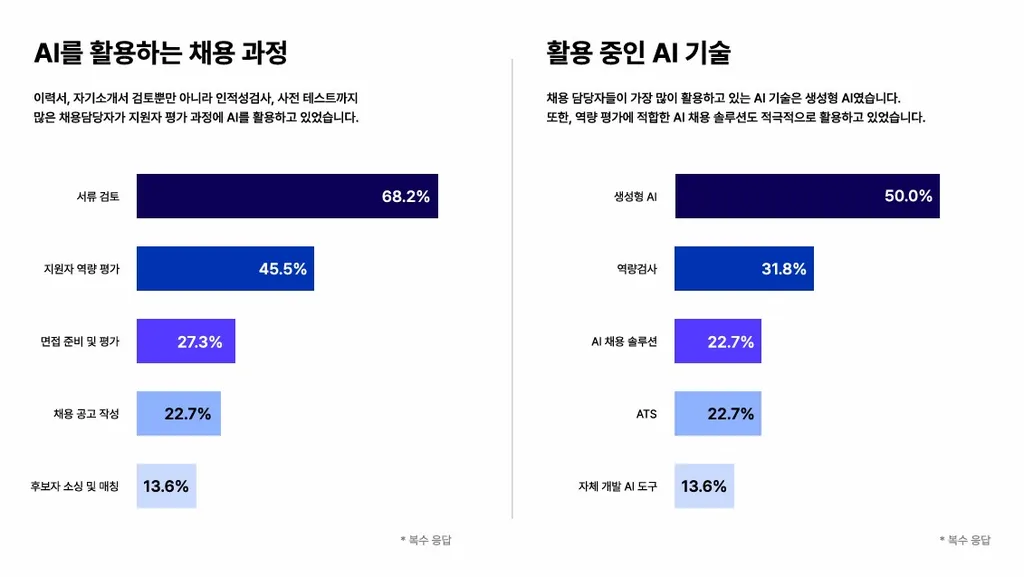
Once you have completed your portfolio, perform a final self-audit by checking these three things:
- Did you exaggerate, or are you being honest?: Recruitment in the AI era is very sophisticated. Exaggerated experiences will inevitably be exposed during the interview stage. Being transparent about your role and honestly describing even failed experiences as a learning process will actually increase your authenticity and build trust.
- Is the layout easy to read?: No matter how good the content is, if readability is poor, it won't be read. Use a clean layout and appropriately place job-related keywords so that a recruiter can grasp your strengths within 30 seconds.
- Do you have 'your own color'?: Templates that look exactly like everyone else's will not stand out. You must present yourself as an "irreplaceable brand" through design and writing styles that reflect your philosophy and values.
In a Changing Era, are you an 'Employee' or a 'Manager'?
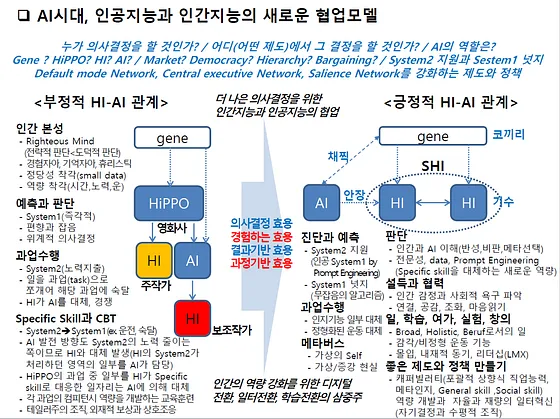
The job market of 2026 may seem cold, but it is actually the most fair place. You might lose in the "spec competition" of simply following what others do, but for those who prove their own problem-solving abilities and human charm, more opportunities are opening up than ever before.
Now, ask yourself: "Do I want to be an employee who only does what the company tells me, or do I want to be a professional manager who manages my own career?"
A well-prepared portfolio is not just a document; it is the first message you send to the world. I cheer for you to imbue that message with your own authenticity and humanity.
What 'human strengths' are contained in your portfolio? Please share your concerns or strategies in the comments!
References
- 2026년, 취업 시장을 변화시키는 기업의 10가지 채용 전략 · dbblog.co.kr
- 2026년 취업 전략 · kjobeco.com
- 취준생 필독! 성공적인 취업을 위한 이력서 포트폴리오 가이드 · boardmix.com
- 인공지능 시대의 교육 : 네이버 블로그 · blog.naver.com