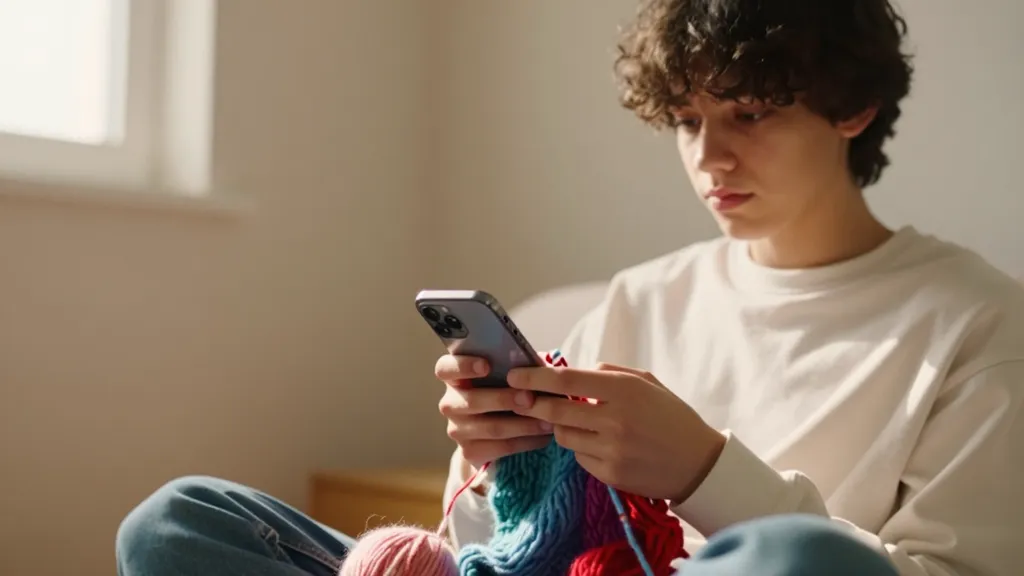
Have you ever felt your heart sink at the sound of a smartphone notification, or experienced a sudden sense of emptiness after scrolling through meaningless short-form videos for hours?
Even though we feel connected to everyone in the world, why does a corner of our heart constantly feel hollow? In 2026, we live in the most connected era in history, yet paradoxically, we are experiencing the most severe "connection fatigue."
Today's story is not a cliché lecture telling you to simply "stay away from your smartphone." Instead, we will dive deep into how the glamorous promises of the Metaverse have hit the wall of reality, and why Gen Z has picked up feature phones and started knitting again—exploring the true methods of rest they have found for themselves.
The Glamorous Dream of the Metaverse Hits the Wall of Reality
Only a few years ago, we were enthusiastic about the virtual worlds unfolding before our eyes. Led by Meta, companies worldwide poured trillions of won into dreaming of the Metaverse. However, as of 2026, the situation has changed significantly.
According to recent reports, Meta made the decisive move to cut its Metaverse division budget by a staggering 30%. This is because, despite leaps in technology, they faced the harsh reality that people simply "do not want to stay" within those virtual spaces. Recording massive losses of over $70 billion, the emptiness hidden behind glamorous avatars has begun to be revealed.
Why have people started seeking real-world sensations rather than the expansion of the virtual world? It is because while we thought technology would bring us closer, the countless "likes" and comments on our screens have actually made us feel lonelier. This leads us to an important question: "Do we truly want to be connected, or do we simply want to be seen?"
'Digital Detox' as a Survival Strategy to Stop the Dopamine Rush
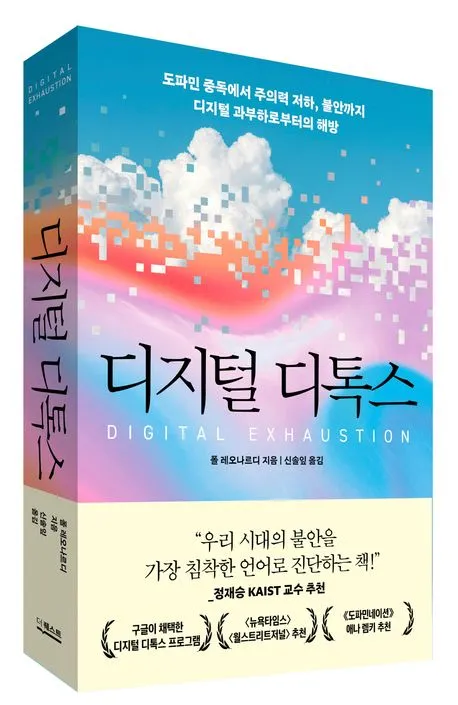
Now, Digital Detox has moved beyond being a trend to becoming a "survival strategy." Gen Z in 2026 knows the truth: that the constant stream of short-form content and real-time notifications is incessantly stimulating the brain, driving it into a state of "dopamine overload."
The Korea Disease Control and Prevention Agency (KDCA) treats smartphone overdependence as a serious health issue, making distancing oneself from digital devices an essential task. Excessive screen time goes beyond mere time-wasting; it exacts a mental price, including anxiety, insomnia, and even decreased concentration.
An interesting concept emerges here: JOMO (Joy of Missing Out). It refers to the mindset that it is okay not to check in real-time to see what others are doing or what the current trends are. It is the choice to reject comparison with others and instead select inner peace gained through disconnection from information.
These individuals do not stop at simply turning off their smartphones. They systematically design their lives through "Ping Minimalism"—blocking unnecessary app notifications and setting "Digital-Free Zones" during meal times or before sleep.
Why Move the Hands Again: The Paradox of Analog Hobbies
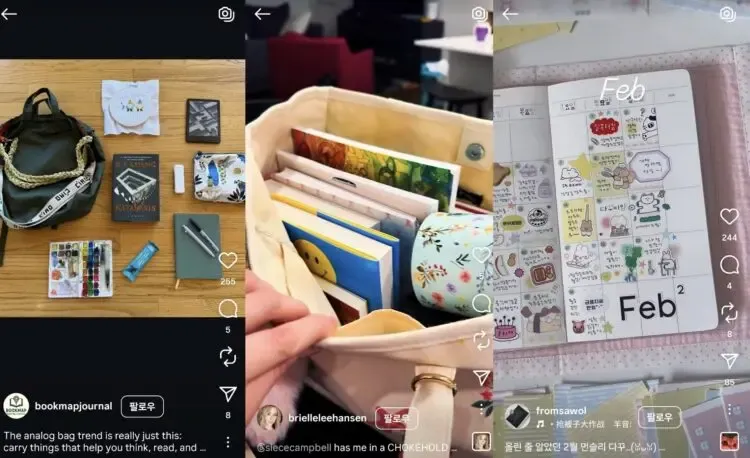
The concrete manifestations of digital detox are, unexpectedly, very "slow and rustic" activities. Recently, "Grandma hobbies" such as knitting, embroidery, and pottery making have become a craze among Gen Z.
Why is the generation most proficient with cutting-edge technology picking up needles and thread again? The answer lies in the "sensory feeling of the fingertips." The digital world provides immediate and smooth results. With one button, music plays; with one swipe, information pours in. But the process of making something by hand is different.
The process of knitting a stitch or filling an embroidery pattern does not provide immediate rewards. It takes time, sometimes mistakes are made, and one must focus on the tactile sensation of the materials against the fingertips. This "slow process" provides deep rest to the brain. The sense of self-efficacy provided by a tangible result—which is on a completely different level from the dry sense of achievement in digital spaces—heals us.
The recent phenomenon of Dongdaemun Market being crowded with "Bol-kku" (pen decorating) enthusiasts is in the same context. The act of attaching beads to a 600-won ballpoint pen to create a unique item is a small but certain resistance against a digital world that only values efficiency. It says, "I don't want a functional tool; I want something that contains my personal taste."
Letters Written Again, and a New Definition of Connection
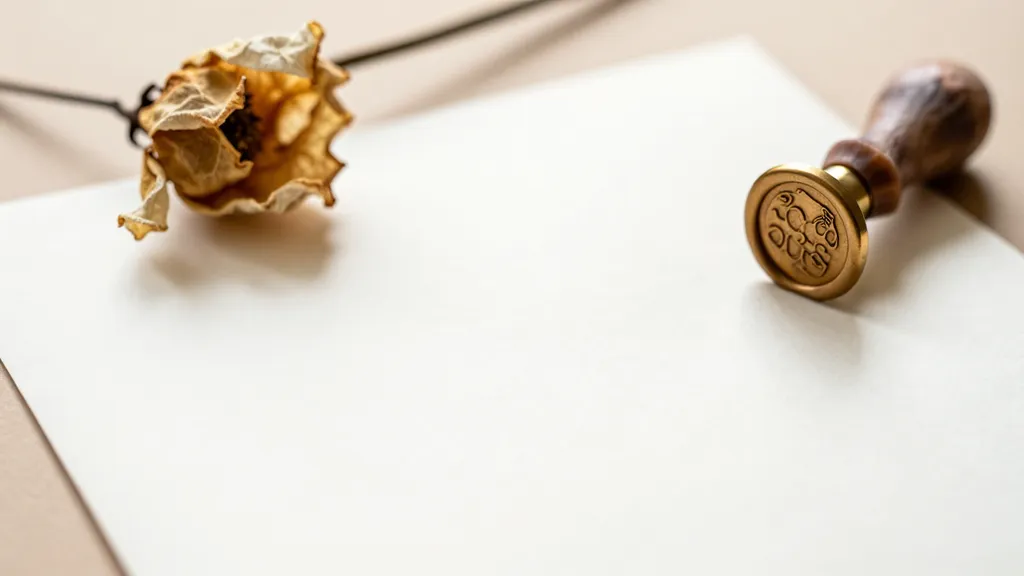
The return to analog is even changing the way we communicate. As of 2026, the number of people writing handwritten letters is increasing. On platforms like Pinterest, "penpals" have even emerged as a major trend.
Digital messages are fast but volatile. However, a carefully written letter conveys the heart through stamps, wax seals, and the texture of paper. The "waiting" that occurs in this process is a precious value lost in the digital age.
The interesting part is that this analog movement is paradoxically spreading through social media. People form new communities by sharing their knitted works or heartfelt handwritten letters on Instagram. This is not a regression that simply says "let's go back to the past." It is the practice of "Digital Minimalism"—utilizing digital convenience while keeping human authenticity at its center.
Connection has now shifted from a question of "how much" to "how deep." The change of placing greater value on deep communion with a single person through one-on-one video chats or sincere conversations, rather than being connected to tens of thousands of followers, is exactly what 2026 defines as the new face of community.
How to Put a 'Comma' in Your Daily Life

So, how should we maintain balance amidst this massive digital wave? We have summarized realistic guidelines suggested by experts.
- Set Digital-Free Zones: Keep your smartphone away during meal times or 30 minutes before lying down in bed. It is important to make your bedroom a space solely for sleep and rest.
- Notification Diet: There is no need to keep push notifications on for every app. Block all "distractions" except for essential contacts.
- Have a Hands-on Hobby: It doesn't have to be grand. Try activities that awaken your sense of touch, such as coloring books, transcription, or gardening, even just once a week.
- Abandon Perfectionism: It is easy to fail if your goal is to stop using your smartphone entirely from the start. The key is to gradually increase small habits.
Digital Detox is not about rejecting technology, but about a process of reclaiming sovereignty over technology. It is about escaping from dominance in the name of convenience and reclaiming the right to focus on what I want to see and what I want to feel.
How much is your smartphone screen time today? Did you happen to look at the scenery in front of you more than the world inside the screen today?
Please tell us in the comments about the most "analog moment" you have tried recently. Small practices gather to make our lives more abundant.
Is your digital balance doing well?
References
- 2026년, '나'를 위한 디지털 디톡스 전성시대 · team2.dothome.co.kr
- “휴대폰 대신 뜨개질”…SNS에 지친 Z세대, '아날로그 취미' 찾는다 · mk.co.kr
- 다시 손편지 쓰는 MZ, 디지털 줄이고 아날로그로 - 한경매거진&북 · magazine.hankyung.com
- 디지털에 지친 MZ<젊은 층>, 아날로그 취미 각광 - 미주중앙일보 · koreadaily.com
- "세상에 딱 하나, 내 '볼꾸' 어때?"…디지털 세대, '아날로그 취미'에 푹 ... · v.daum.net
- 블룸버그 보도: 메타, 2026년 메타버스 예산 30% 삭감 계획 현실 직면 · coindesk.com
- [칼럼] Z세대의 피처폰 열풍… 디지털 절제가 만든 새로운 일상 · sankyungtoday.com
- 디지털 미니멀리즘의 부상, Z세대는 왜 '단순한 연결'에 반응하는가? · platum.kr