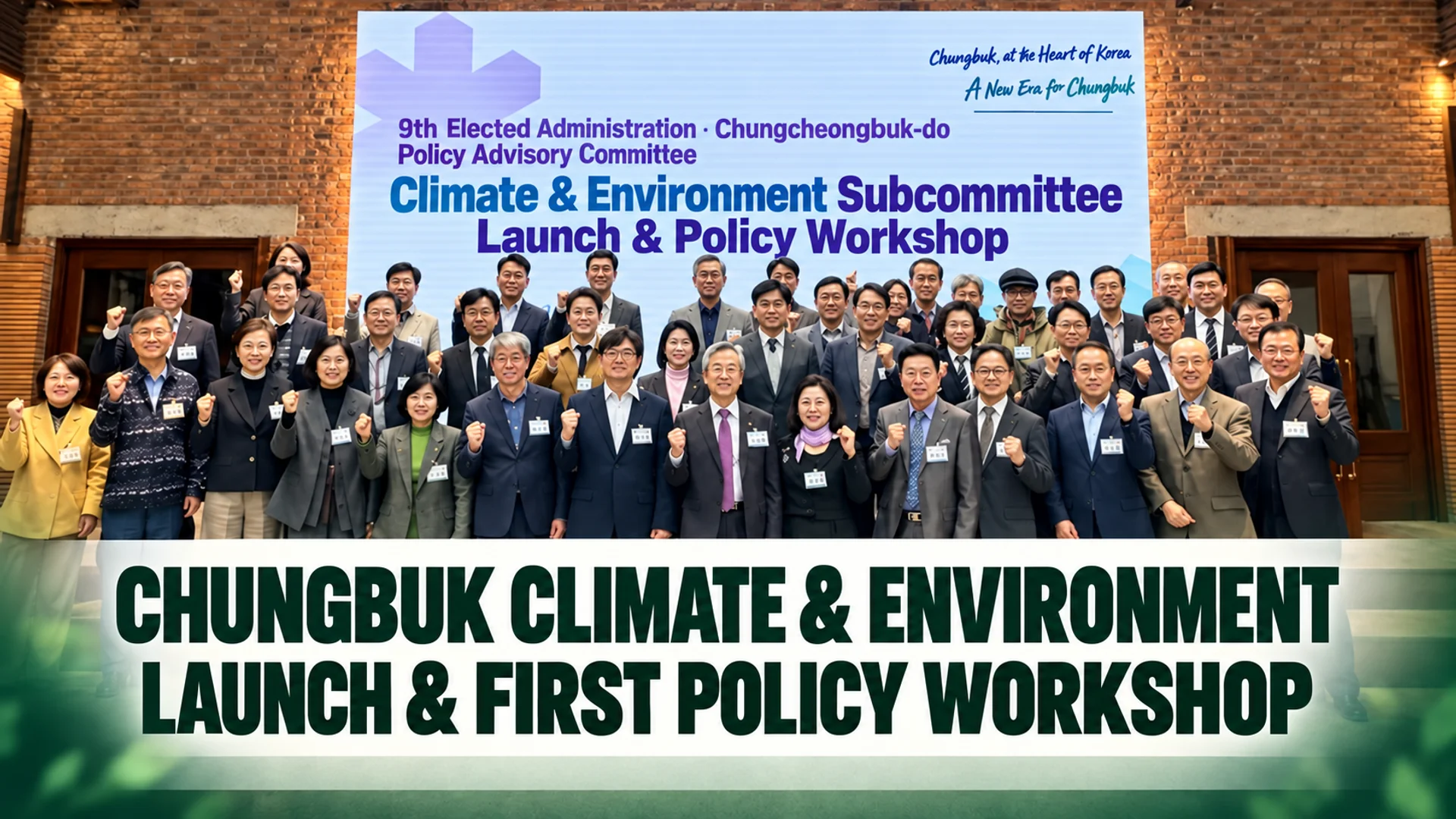
North Chungcheong Province has launched the advisory framework for responding to the climate crisis and driving a green transition, along with the launch of the “Climate and Environment Subcommittee” under the Policy Advisory Committee of the 9th elected administration and its inaugural policy workshop. This workshop served as an opportunity to share the subcommittee’s direction and strengthen a practical cooperation system connecting provincial policies with on-the-ground realities.
On October 30, 2026, North Chungcheong Province held the launch ceremony and policy workshop for the Climate and Environment Subcommittee at the Multipurpose Hall of the Provincial Office 123.
Background and Operational Vision for the Workshop
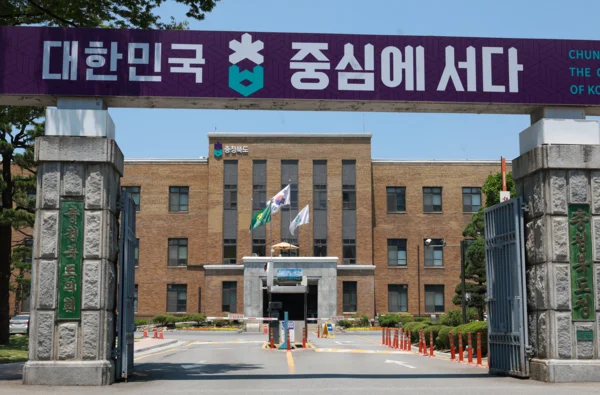
The formation of the Climate and Environment Subcommittee stems from the recognition that responding to the climate crisis and achieving a green transition are core tasks that jointly determine the safety, quality of life, and sustainability of the region’s residents. Accordingly, the province planned this workshop to share the subcommittee’s direction and establish a practical policy advisory system connecting provincial administration with local realities 123.
Strategy Connecting Energy, Industry, and Regional Economy
The newly launched Climate and Environment Subcommittee has set its operational vision as “Establishing a practical policy advisory system that serves as a core foundation for North Chungcheong’s future development by connecting energy, industry, science and technology, and the regional economy” 123. This reflects a strategic direction of approaching climate and environmental policies not merely as a matter of environmental preservation, but by organically linking them with the region’s energy structure, industrial competitiveness, and the regional economy as a whole.
Key Agendas and Discussions at the Workshop
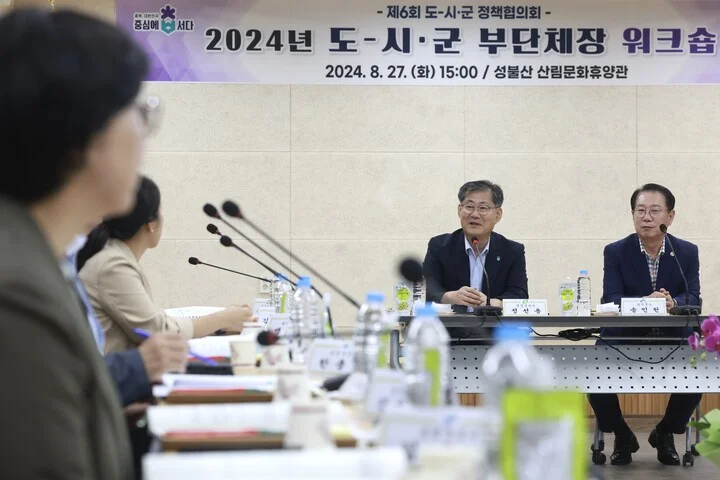
At the workshop, discussions focused on developing field-oriented policies suited to regional conditions and deliberating on ten key policy areas. Participants shared major policies and current issues in the climate and environment sector and exchanged opinions on effective advisory measures 123.
Discussion on Ten Key Policy Areas
The workshop discussed the ten key policy areas the subcommittee will focus on. Key areas of discussion included the following 123:
- Carbon Neutrality and Climate Adaptation: Includes adaptation strategies for changing climate conditions alongside greenhouse gas reduction.
- Energy Transition: Explores methods to transition away from existing energy consumption structures.
- Circular Economy and Resource Circulation: Builds a circular structure that minimizes waste and recycles resources.
- Eco-friendly Bio: Explores eco-friendly policy directions leveraging the characteristics of the bio sector.
- AI and Environmental Technology: Approaches to enhance policy efficiency by integrating artificial intelligence technology into the environmental sector.
Importance of Government-Industry-Academia-Research Cooperation
Participants reached a consensus on the necessity of cooperation among local governments, industries, academia, and research institutions for the successful implementation of climate and environmental policies. This judgment stems from the belief that policies applicable to the field can be created when administrative knowledge of regional conditions, industrial experience, and the expertise of research institutions are combined 123.
Participants and Policy Advisory Structure
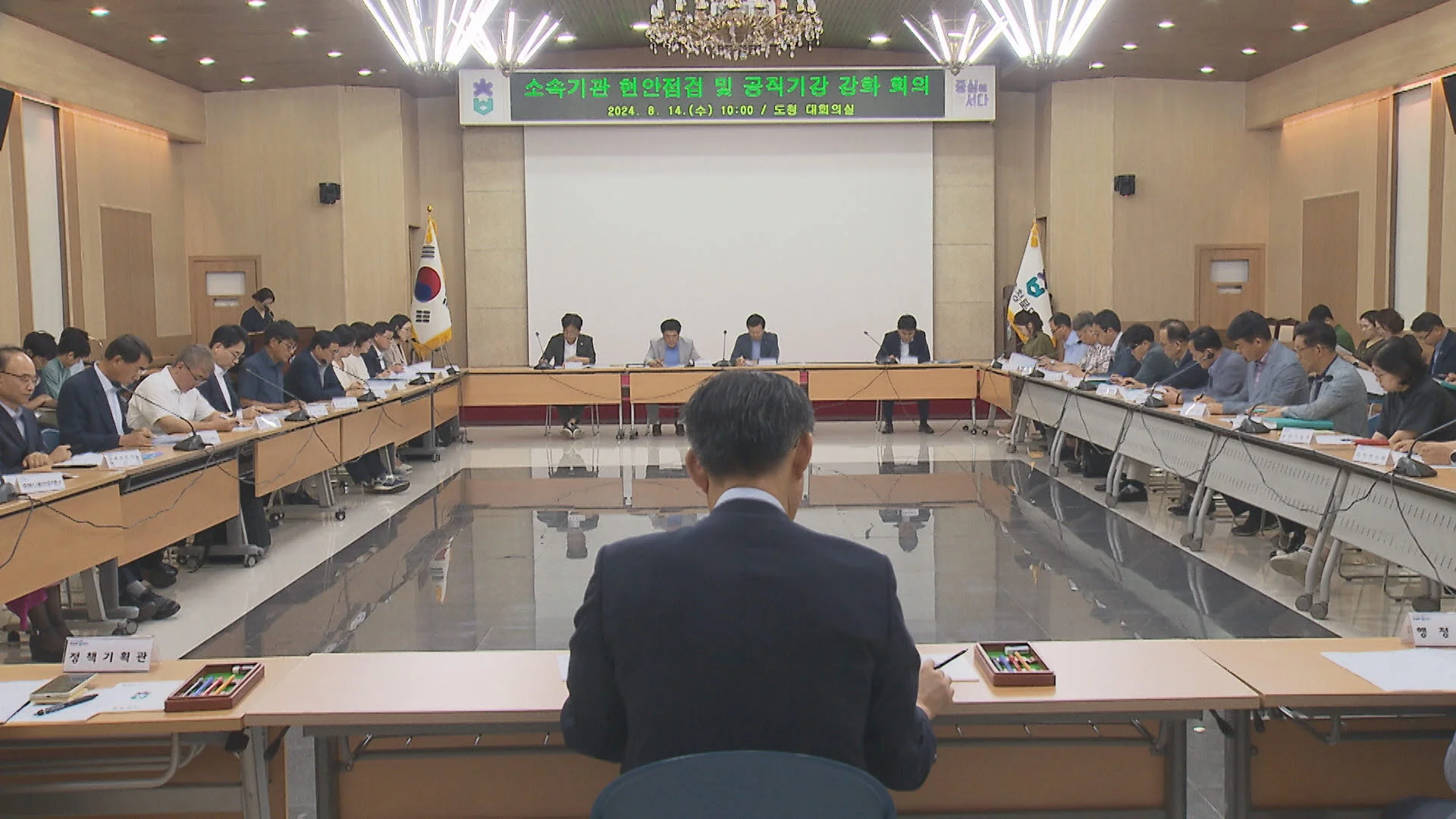
Experts leading the subcommittee and practical staff participated in this workshop.
Key Participants
The workshop was led by Kim Jae-yong, Honorary Professor in the Department of Environmental Engineering at Chungbuk National University, who serves as the subcommittee chair. Subcommittee members, senior officials from North Chungcheong Province’s Environmental and Forestry Division, and experts in related fields also participated in the discussions 123. This established a basis for policy advisory conducted from professional perspectives.
Close Communication with Practical Departments
Chang Ki-bong, Director of the Environmental and Forestry Division of North Chungcheong Province, which is the practical department responsible for specifying policies, expressed his commitment to achieving policy results together with the subcommittee.
Director Chang Ki-bong emphasized, “Climate and environmental policies are a crucial field that requires comprehensive consideration of carbon neutrality, energy transition, and residents’ quality of life,” and stated that he would review the opinions and proposals presented by the subcommittee, communicate and cooperate continuously with experts, and strive to ensure that North Chungcheong’s climate and environmental policies lead to tangible results 123.
Policy Reflection and Future Plans
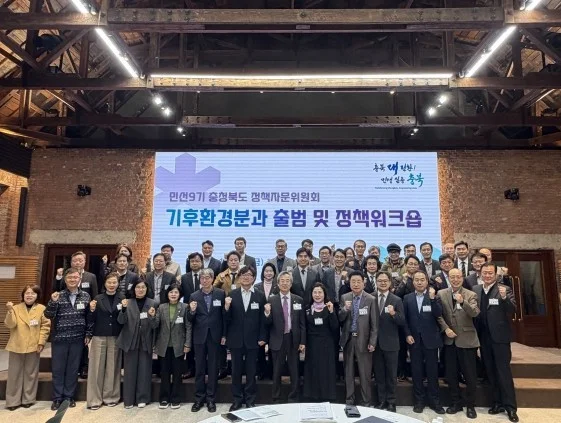
Discussions from the workshop are expected to be reflected in North Chungcheong Province’s future climate and environmental policies.
Transition to Field-Oriented Policies
North Chungcheong Province will carefully review the various opinions and proposals presented during this workshop and future advisory processes. After verifying the applicability of the proposed content to regional conditions and the field, the province plans to directly reflect them in the promotion of major policies and new projects in the climate and environmental sector 123. Furthermore, the province plans to strengthen cooperation among local governments, industries, academia, and research institutions (government-industry-academia-research) to promote field-centered policies 123.
Maintenance of a Continuous Advisory System
The Climate and Environment Subcommittee of the 9th Elected Administration’s Policy Advisory Committee will be continuously staffed with experts in the climate and environmental field, serving the role of providing professional advice and policy recommendations on the province’s major policies and issues 13. Through this, it is expected to serve a pivotal function in supporting the establishment of integrated policies that comprehensively consider interconnected issues such as energy transition and the circular economy.
References
- 충북도, 기후환경 분과위원회 정책워크숍 개최 · chungbuk.go.kr↩
- 충북도, 기후환경 분과위원회 정책워크숍 개최-제이에스매거진 · m.jsmagazine.net↩
- 충북도, 기후환경 분과위원회 정책워크숍 개최-더시그널뉴스 · m.signalnews.co.kr↩