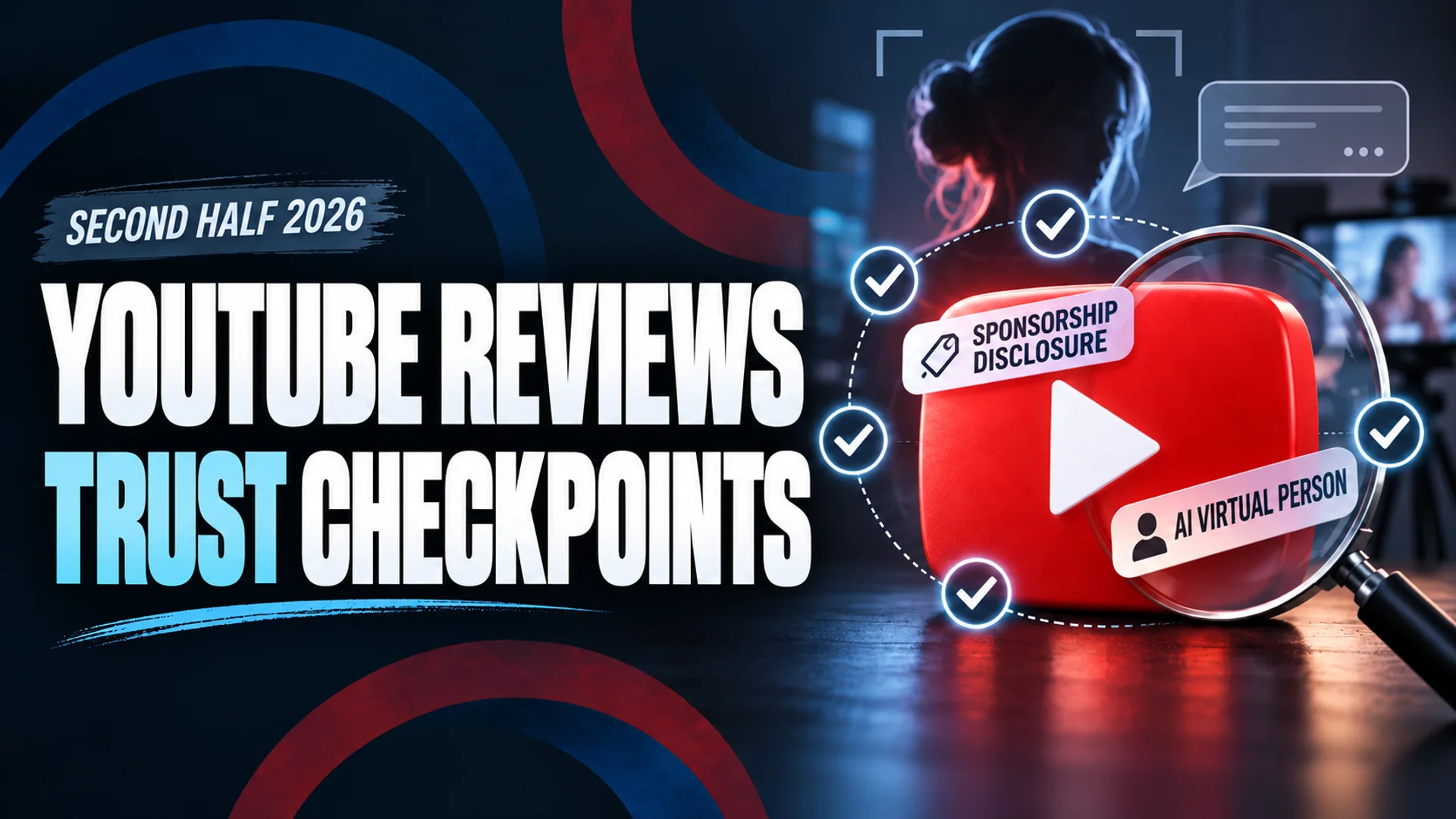
Consumer trust in YouTube reviews in the second half of 2026 is changing. This shift is driven by the strengthening of regulations by the Fair Trade Commission (FTC) and evolving methods of consumer scrutiny. In the past, omissions in sponsorship disclosures were considered mere regulatory violations, but as of 2026, consumers are evaluating reviews not only based on the presence or absence of disclosures but also on the authenticity of the content and how channels are managed 1. Disclosure is now merely a “baseline” for trust, and the primary agents of surveillance have shifted from post-hoc investigations by authorities to consumers themselves, who raise issues through screenshots and community sharing 1. Accordingly, in this second half of 2026, with strengthened mandatory sponsorship disclosure requirements, here are five key checkpoints consumers should focus on when consulting YouTube reviews.
Changes in Mandatory Sponsorship Disclosure Policies and Surveillance Methods
To understand the YouTube review landscape in 2026, it is essential to clearly distinguish between policy changes applicable in the second half of 2026 and those applied prior. Starting July 1, 2026, amendments to the Enforcement Decree of the Act on Fair Labeling and Advertising and the Notice on Administrative Fines extended the aggravation period for repeated violations from the previous three years to five years. If a violator commits four or more violations within five years, administrative fines may be increased by up to 100%, significantly tightening enforcement 2.
Coinciding with this stricter enforcement, the agents of surveillance have also changed. As of 2026, compliance with sponsorship disclosure is no longer left solely to post-hoc investigations by the Fair Trade Commission. Surveillance is now carried out by consumers directly capturing videos and sharing them in online communities, with associated risks expanding beyond individual influencers to boycotts of collaborating brands 1. Therefore, when viewing reviews, consumers must now assess not only whether a sponsorship disclosure exists but also how it is being verified within online communities.
Checkpoint 1: Analysis of Disclosure Location and Readability
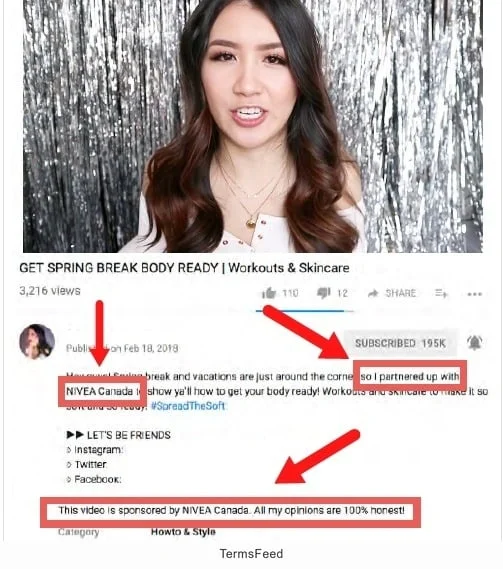
The first checkpoint is verifying whether the sponsorship disclosure is clearly exposed in the prescribed location. Under the revised Guidelines for Review of Recommending and Endorsing, enforced on December 1, 2024, blogs must display disclosures in the title or at the beginning of the post, while for YouTube, disclosures should appear at the start of the video, at the beginning of the title, or in embedded subtitles 3, 2. Disclosures must be placed in the opening subtitle or at the beginning of the title; hiding them at the bottom of the description or behind the “Show more” function is deemed inadequate disclosure 3, 2.
The specific locations and forms to check are as follows.
| Media Type | Recommended Disclosure Location | Inadequate or Unacceptable Practices |
|---|---|---|
| YouTube (Video) | Beginning of the video title, embedded subtitles at the start of the video | Disclosure in the “Show more” section, disclosure in the video description at the bottom |
| YouTube (Video) | Repeated exposure at the start, middle, and end is recommended | Subtitles obscured by clusters of hashtags |
The wording used in the disclosure is also critical. As of September 2026, under FTC guidelines, disclosures must be clear and in Korean, using terms such as “Advertising” or “Sponsored.” Ambiguous expressions or those written only in foreign languages, such as “#ad” or “nominal compensation,” should be avoided 3, 2. Cases where “Bought with my own money” is written to emphasize that no cash compensation was received despite obtaining a free product, or where disclosures are placed in the middle of hashtags, require careful attention 3, 2.
Checkpoint 2: Mention of Candid Drawbacks
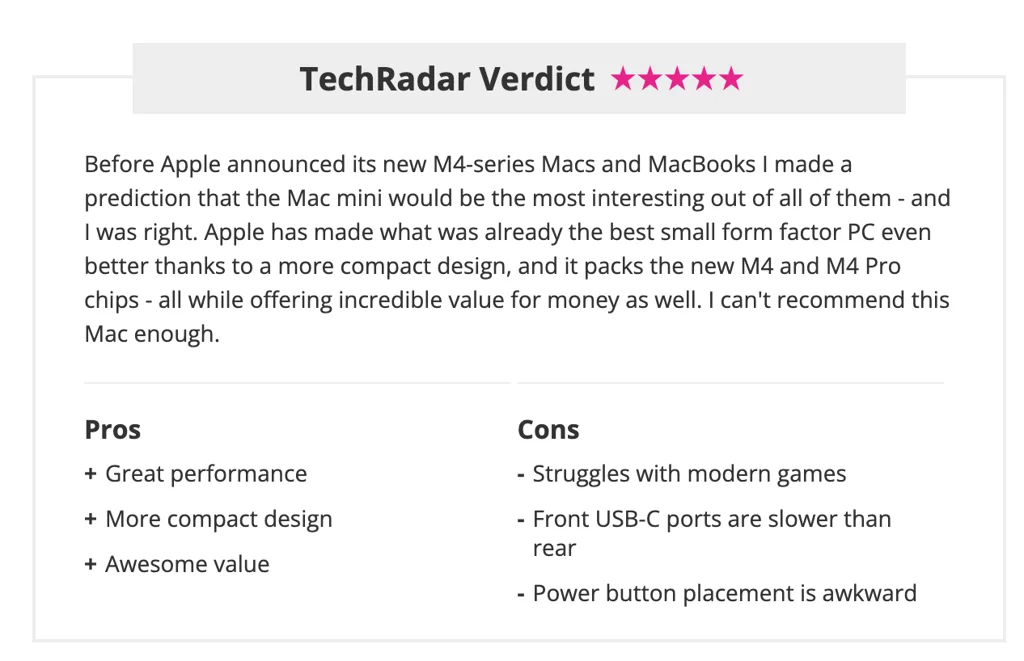
The second checkpoint is verifying whether the review content consists solely of one-sided praise. As of July 2026, consumers show a clear tendency to trust content that includes candid mentions of drawbacks more than polished reviews consisting exclusively of praise 1. The perception that content mentioning drawbacks actually yields better performance in terms of watch time and engagement has become widespread 1.
This shift is also prompting brands to revise their strategies. Large brands seeking to diversify risk are updating their guidelines when drafting sponsorship briefs to include one natural drawback experienced during use, rather than listing only advantages 1. In other words, if a specific YouTube review fails to convey a balanced view of a product’s pros and cons and instead presents only perfect highlights, one should suspect that the review is a thoroughly controlled result based on a sponsorship contract.
Checkpoint 3: Verification of Virtual Human Labels
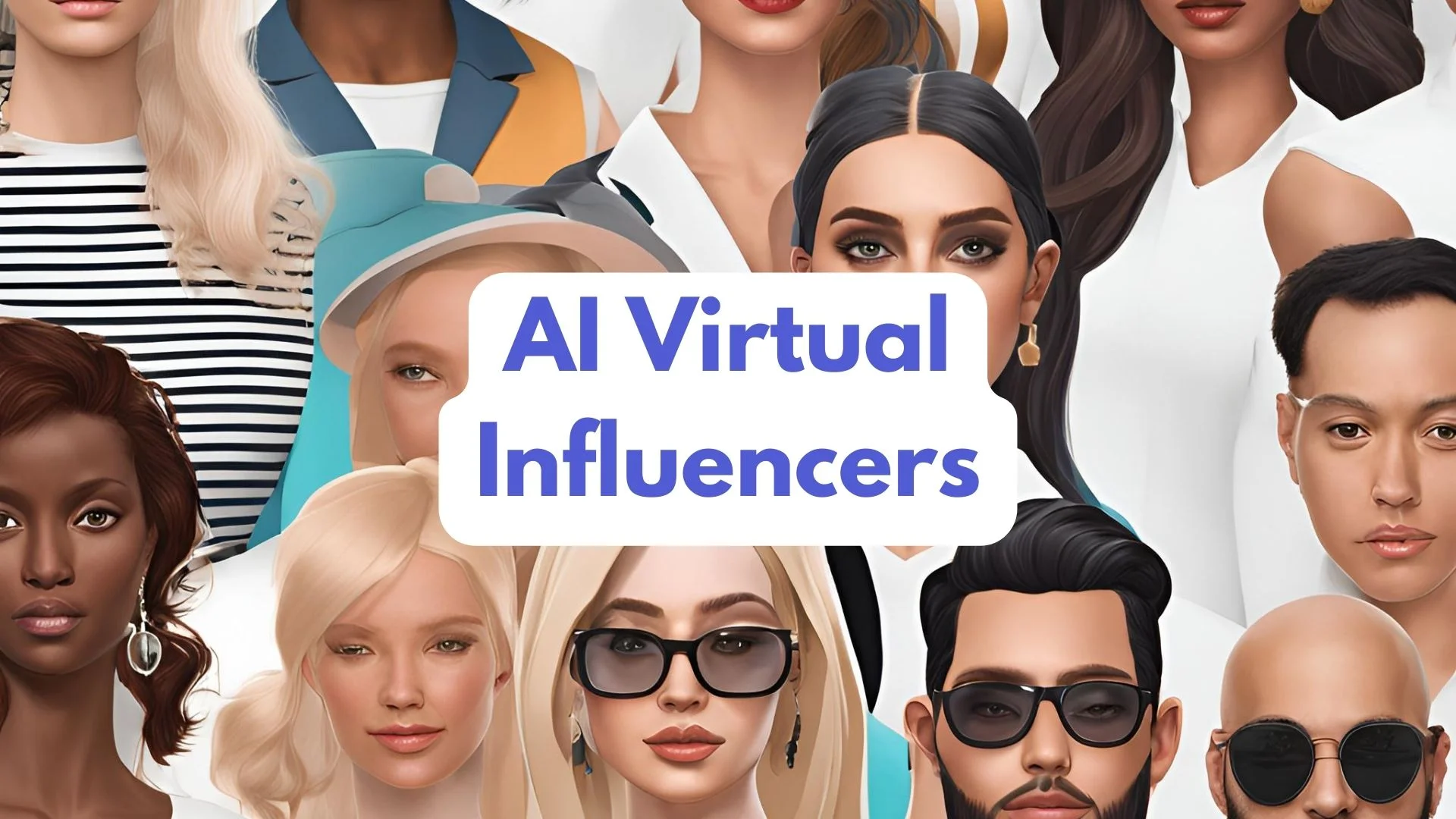
The third checkpoint involves identifying who or what is serving as the endorser in the YouTube video. With the advancement of AI technology and a surge in cases where AI-based personas, indistinguishable from real humans, promote products, the Fair Trade Commission introduced new regulations by pre-announcing the revised “Guidelines for Review of Recommendation and Endorsement Labeling and Advertising” on April 8, 2026 4.
This revision took effect on June 1, 2026. Under the updated guidelines, virtual humans were incorporated as the fifth category of endorsers, following consumers, celebrities, experts, and organizations, making the label “Virtual Human” mandatory 4, 2. In video platforms such as YouTube, the label “Virtual Human” must be clearly displayed in a color that contrasts with the background, placed near the screen where the virtual human appears 4. If an AI-generated character appears to be conducting a review but lacks such clear labeling, consumers may find it difficult to determine whether the review is a direct user experience by a real person or a promotional video based on AI-generated content.
Checkpoint 4: Economic Compensation and Deceptive Disclosures
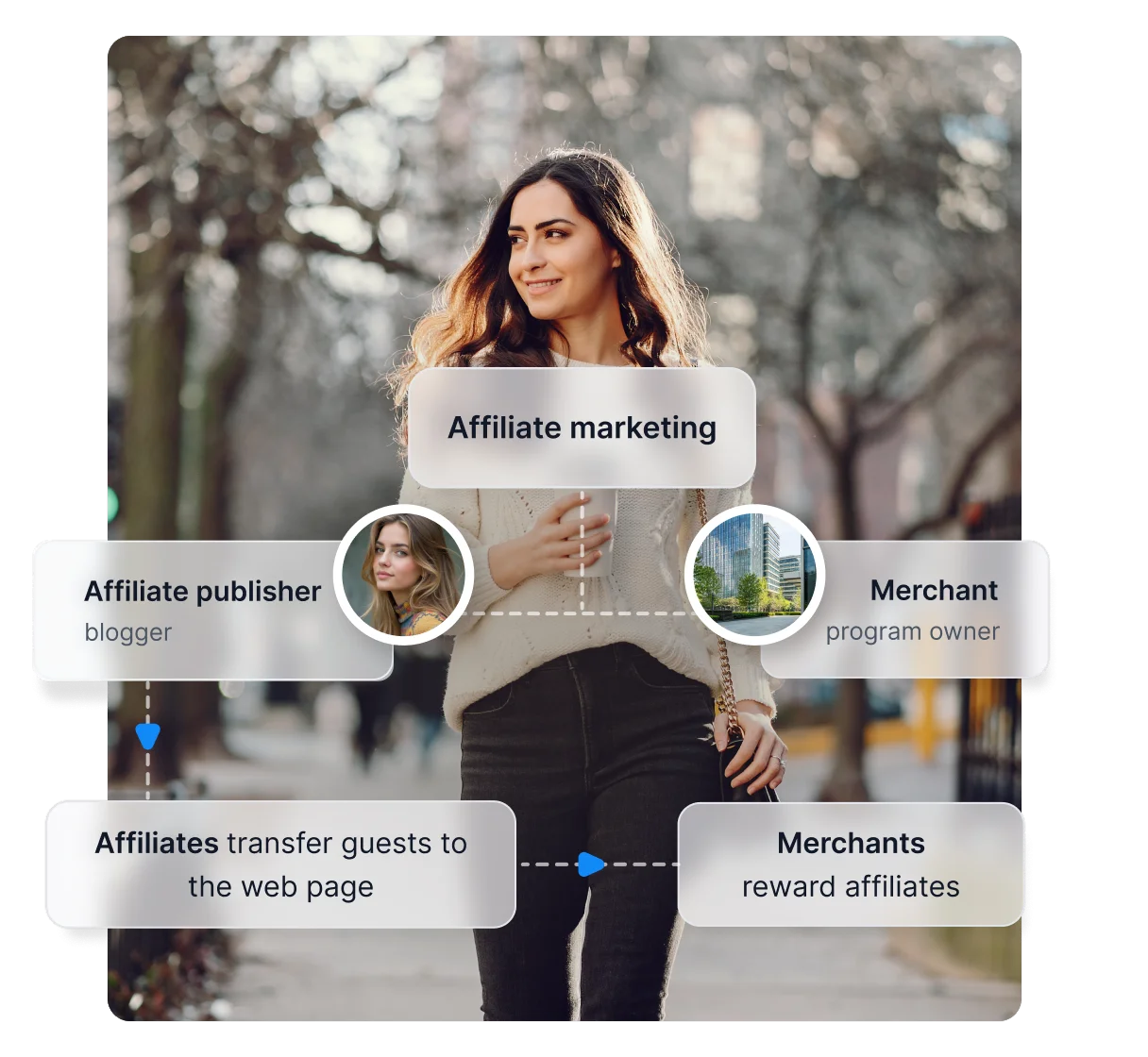
The fourth checkpoint involves assessing the consistency between the usage experience described in the review and the compensation received. The revised Guidelines for Review of Misleading Labeling and Advertising, enforced on October 30, 2025, explicitly classified the failure to disclose economic compensation as a type of deception 2. Economic compensation includes not only cash but also free products, discounts, affiliate commissions, and conditional payments to be made in the future 3, 2.
In particular, for affiliate reviews involving purchases via YouTube links, it is important to double-check whether the disclosure is visible immediately on the mobile first screen and whether platform algorithm changes after the video upload have unintentionally obscured the disclosure 2. Cases where a promotional model edits the video to look like a main review on their personal account without disclosing their model status can also constitute concealment of economic compensation; therefore, the context of the review must be interpreted from multiple angles.
Checkpoint 5: Transparency of Channel Operations and Revenue Structures
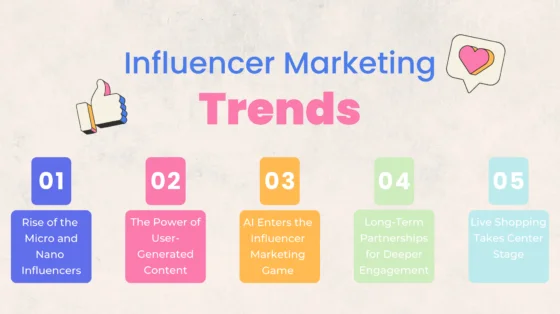
The final checkpoint is whether transparency is ensured in the channel’s overall operational approach. As of July 2026, influencer-related risks do not remain at the individual influencer level but have the characteristic of escalating into brand boycotts 1. Consequently, to diversify risk, large brands are increasingly reducing their reliance on macro-influencers and collaborating with numerous micro- and nano-influencers who boast high credibility in specific categories 1.
Notably, the obligation to disclose sponsorships applies equally regardless of subscriber count 1. Therefore, even if a micro- or nano-influencer lacks promotional staff and neglects managing disclosure wording, it can lead to a fatal decline in trust for both consumers and brands 1. Checking how a channel has historically disclosed sponsorships and whether it openly reveals its revenue structures has become an essential criterion for relying on YouTube reviews for purchasing decisions.
With the mandatory sponsorship disclosure policy and strengthened enforcement, the YouTube review ecosystem is being demanded to ensure transparency. However, disclosure practices on short-form video platforms remain regulatory blind spots, and consumer-driven surveillance tends to surge significantly following specific incidents 1. Ultimately, to establish trust in YouTube reviews, it is necessary to cultivate the discernment to interpret content based on self-established, multi-layered criteria, ranging from opening screen captions to the current state of screenshots and shares within online communities.
References
- 뒷광고 논란 이후 인플루언서 마케팅 신뢰 전략 – 인플루언서컴퍼니 · incomglobal.co.kr↩
- ↩
- 체험단 대가성 표시, 채널별로 어떻게? 공정위 심사지침 한눈에 | 똑똑리워드 · ddok.lumiaeo.com↩
- AI 캐릭터 등장 광고에 ‘가상인물’ 표기 의무화 | 서울신문 · seoul.co.kr↩