I recall myself on a weekend evening, clutching a bowl of popcorn with excitement, pressing the play button on Netflix's new documentary, 'Sambyeol.' Staring at the screen while expecting flashy action or provocative conflict, I found myself plunged into deep thought along with a strange sense of dissonance after just 20 minutes.
This work was of an entirely different texture from the 'survival games' we have seen until now.
It didn't simply compete over who would survive; rather, it felt like a relentless observation of how the human soul is worn away and, simultaneously, how it hardens under extreme circumstances. The question, "Is this really the survival we used to know?" would not leave my mind.
Today, I intend to dig deep into the confusion and admiration I felt while watching 'Sambyeol' myself, and explore the underlying reasons why this work has become a hot potato in the Korean content market.
Unfamiliar Silence, the Raw Face of Humanity Discovered Within
When I first encountered 'Sambyeol,' the most disconcerting aspect was its 'pacing.' Usually, when people think of survival, they expect tense music and rapid editing to entertain the eyes, right? But 'Sambyeol' was different.
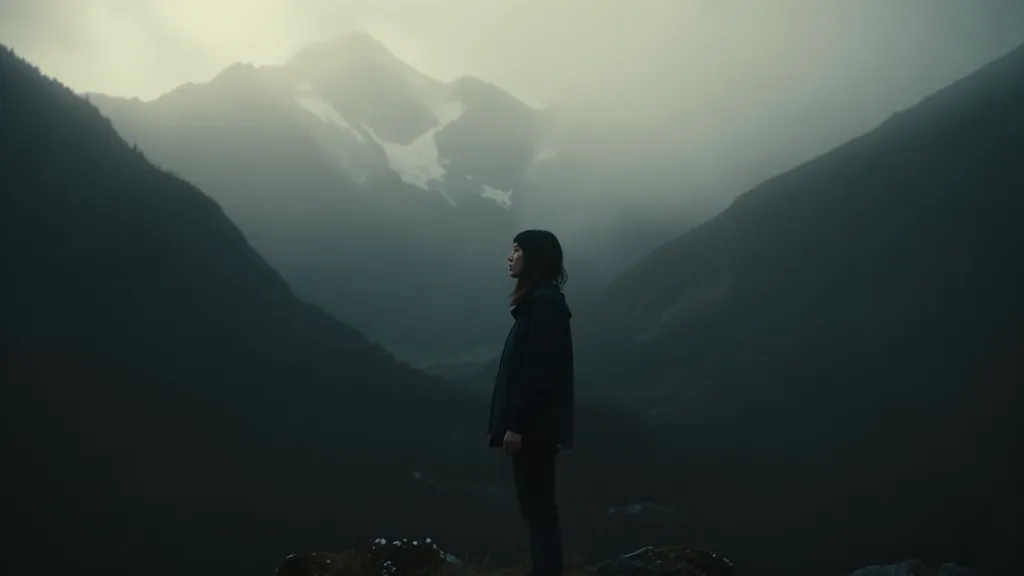
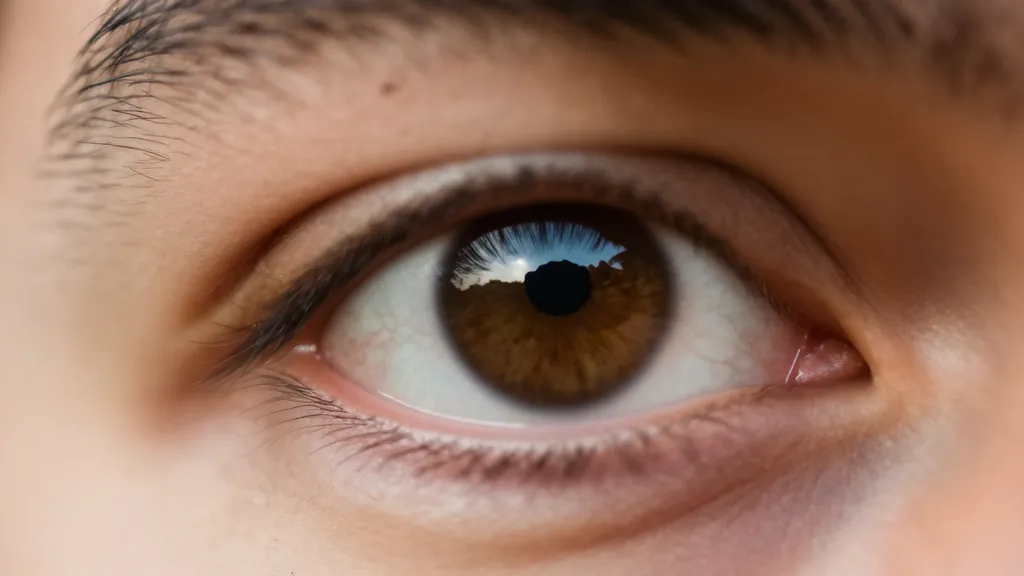
Instead, it stops the camera to show long stretches of rugged natural landscapes or captures the pure silence of a participant breathing heavily alone. It felt as if I were not just an observer, but someone thrown into that solitude alongside them.
The greatest strength of this work lies in its unrivaled visual aesthetics and psychological portrayal. While existing survival programs were obsessed with extracting 'stimulation' by creating artificial conflicts and pushing participants to their limits, 'Sambyeol' takes a step back.
Instead, it delicately captures how the human spirit breaks and how it rises again in the face of the massive wall of nature. The trembling fingertips of the participants, their vacant eyes, and their sincere soliloquies felt less like mere entertainment and more like a work of art. I could see why it receives praise for raising the visual and narrative standards of the Korean-style survival documentary to a new level.
However, this 'aesthetics of slowness' was not welcomed by everyone.
Art and Documentary: That Perilous Boundary
Throughout the viewing, an uncomfortable question kept swirling in a corner of my mind: "Is this truly a record of what exists, or is it a constructed piece of art?"
This is precisely the sharpest weakness and the core of the controversy surrounding 'Sambyeol.'
Some viewers argue that the progression of 'Sambyeol' is too slow and boring. For those expecting suspense, the lyrical direction of this work can actually serve as a barrier to entry. It is as if you went to see a survival show, only to suddenly find yourself watching an art film, feeling a sense of dislocation.
Furthermore, questions are being raised about the essential nature of the 'documentary' genre. Because the aesthetic compositions and dramatic directing intended by the production team are so strong, there are criticisms that it sometimes looks more like a "drama designed by the producers" rather than a "natural process of survival." When the rhythm of the editing is adjusted to maximize a specific participant's emotions or when it gives the impression of beautifying a situation, one becomes confused as to whether what we are watching is 'fact' or a 'reconstructed image.'
In particular, editing methods that may work disadvantageously against certain participants pose a heavy task for us regarding the ethical responsibility a documentary must hold. To what extent can the intentions of the production team, hidden behind beautiful cinematography, be permitted?
A New Horizon for Korean Content, or a Dangerous Experiment?

Nonetheless, I do not wish to underestimate the value of this work. This is because 'Sambyeol' is less a perfect masterpiece and more a highly experimental and challenging attempt.
While Hollywood-style, action-centered survival shows swept the world, Korea's 'Sambyeol' presented an entirely different direction. By combining "deep narratives that delve into the human interior" with "overwhelming visual expression," it proved the narrative depth inherent in Korean content to the global market.
Although it may not have captured all forms of mass appeal, this work expanded the new aesthetic horizons that Korean documentaries should pursue. It has demonstrated the potential to serve as a signature work that goes beyond mere visual pleasure to pose fundamental questions about human nature.
Perhaps this work provides two simultaneous lessons to future producers: it is a textbook on "how to maximize visual beauty," and at the same time, a warning letter on "how not to lose authenticity."
Closing: What Does Your Survival Look Like?
'Sambyeol' is a work that holds up a mirror to us, going beyond simple entertainment. What kind of person will we become in extreme situations? How will we relate to others, and how will we protect ourselves?
In conclusion, 'Sambyeol' is an imperfect but certain provocation. The traces of its effort to set a new standard for the Korean-style survival documentary are evident, and even the controversies arising from that process prove the power of this work.
If you seek stimulating fun, it might feel a bit stifling, but if you are someone who wishes to peer into the deep interior of humanity, I believe this is a work you must encounter at least once.
What do you think about this experimental approach of 'Sambyeol'? Should a true documentary be an unrefined, raw record, or should it be a completed story infused with artistic aesthetics?
I am curious to hear your thoughts. Please feel free to leave them in the comments!