Digital Audio Fatigue Meets Physical Collection
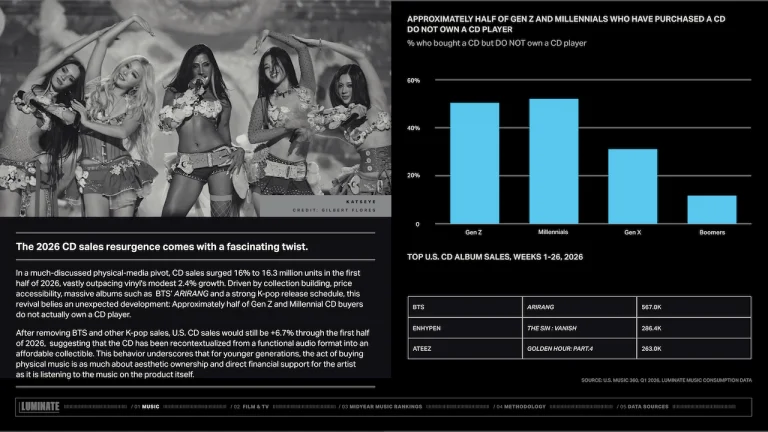
In particular, major markets such as the United States saw a 16% surge in CD sales, signaling a strong resurgence, while vinyl (LP) records continued a gradual upward trend, with the entire physical music market finding new growth drivers.
According to Luminate’s report, vinyl (LP) album sales in the United States reached 21.8 million units in the first half of 2026, representing a 2.4% increase compared to the same period the previous year. While this growth is more moderate than the rapid rise of CDs, it demonstrates that the market remains significant in scale amid a growing preference for physical media among generations accustomed to digital environments.
The Evolution of Collection Culture Driven by K-Pop
The rising "collectibility" of K-pop albums is playing a decisive role in drawing younger generations toward vinyl records and CDs. Luminate identified the popularity of K-pop albums, which target robust fandoms, as a key driver of growth in the physical music market 1. Fans are actively purchasing albums not only for improved sound quality but also to form emotional connections with artists and complete their collections.
Indeed, the top-selling CD in the United States during the first half of 2026 was BTS's album 'ARIRANG,' with 567,000 units sold.
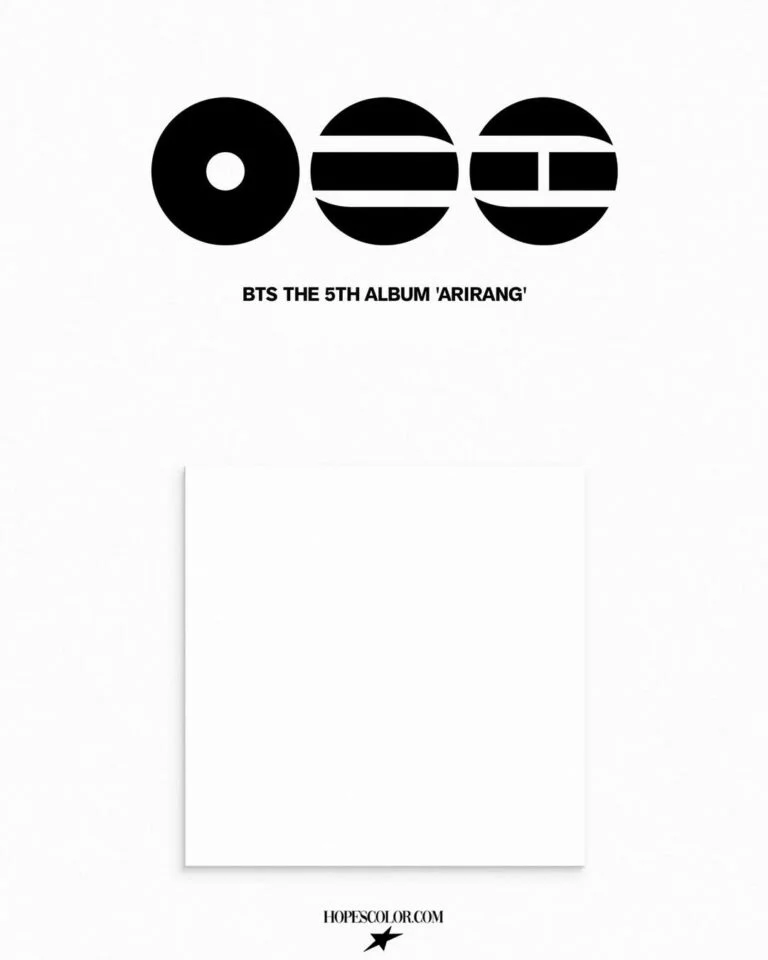
This phenomenon is closely linked to the aesthetic experiences provided by physical packaging, including intricate cover art, photocard inserts, and various special editions 1. Younger generations satisfy their desire to purchase by seeing, touching, and acquiring limited-edition items directly at record stores, leading to sensory fulfillment that cannot be achieved through digital screens.
Coexistence with Streaming: Complementary Consumption Beyond Conflict
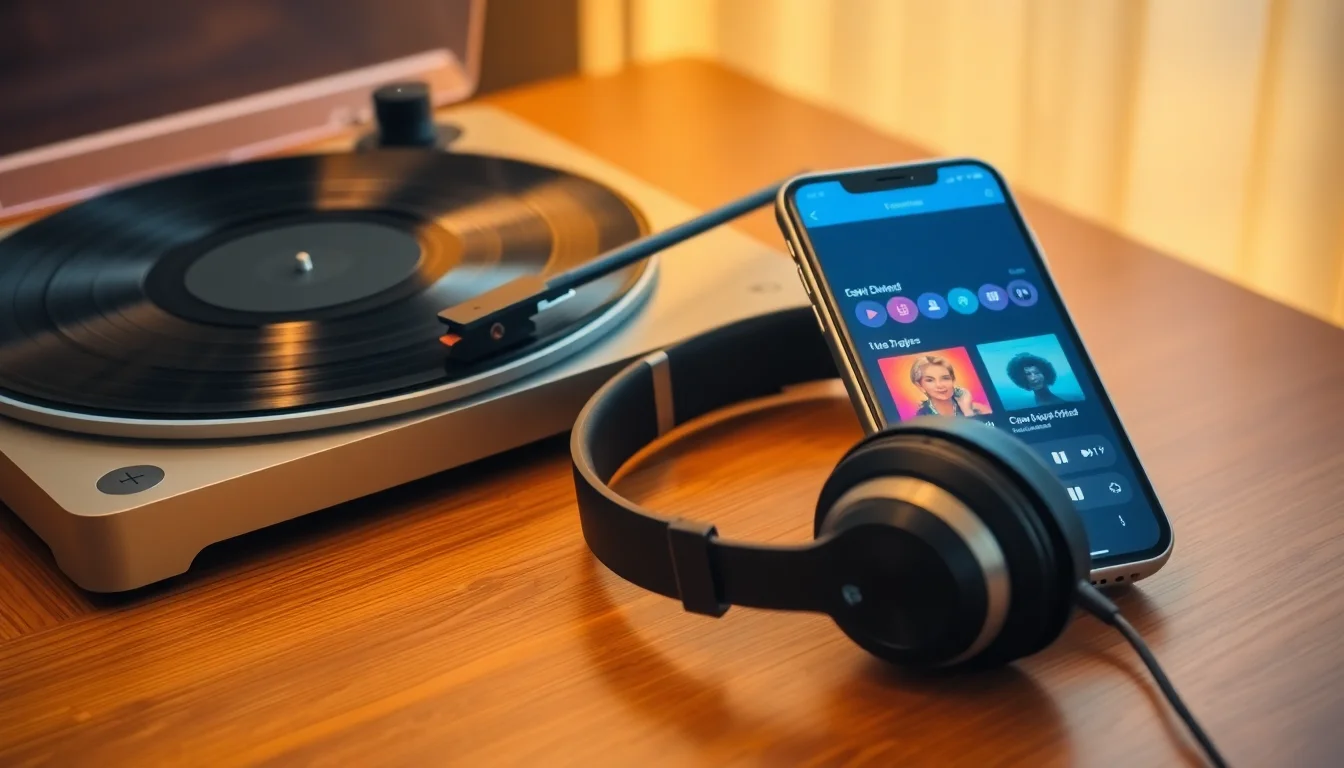
Contrary to the view that the growth of the physical music market is encroaching on the streaming market, actual data shows that the two formats are being consumed complementarily. According to Luminate data, the global on-demand audio streaming market grew by 9.8% year-over-year in the first half of 2026, maintaining a steep upward trajectory 1.
Luminate analyzed that physical records and digital streaming function not as adversaries but as "complementary media" 1. Consumers tend to enjoy music conveniently via streaming while on the go, but prefer using record players or CD players at home for better sound quality and immersion 1. In other words, for young people in 2026, record stores are not spaces replacing digital, but rather "curation" spaces where they physically own and manage records discovered through streaming that perfectly match their tastes.
Immersion Created by Hardware and Listening Environments
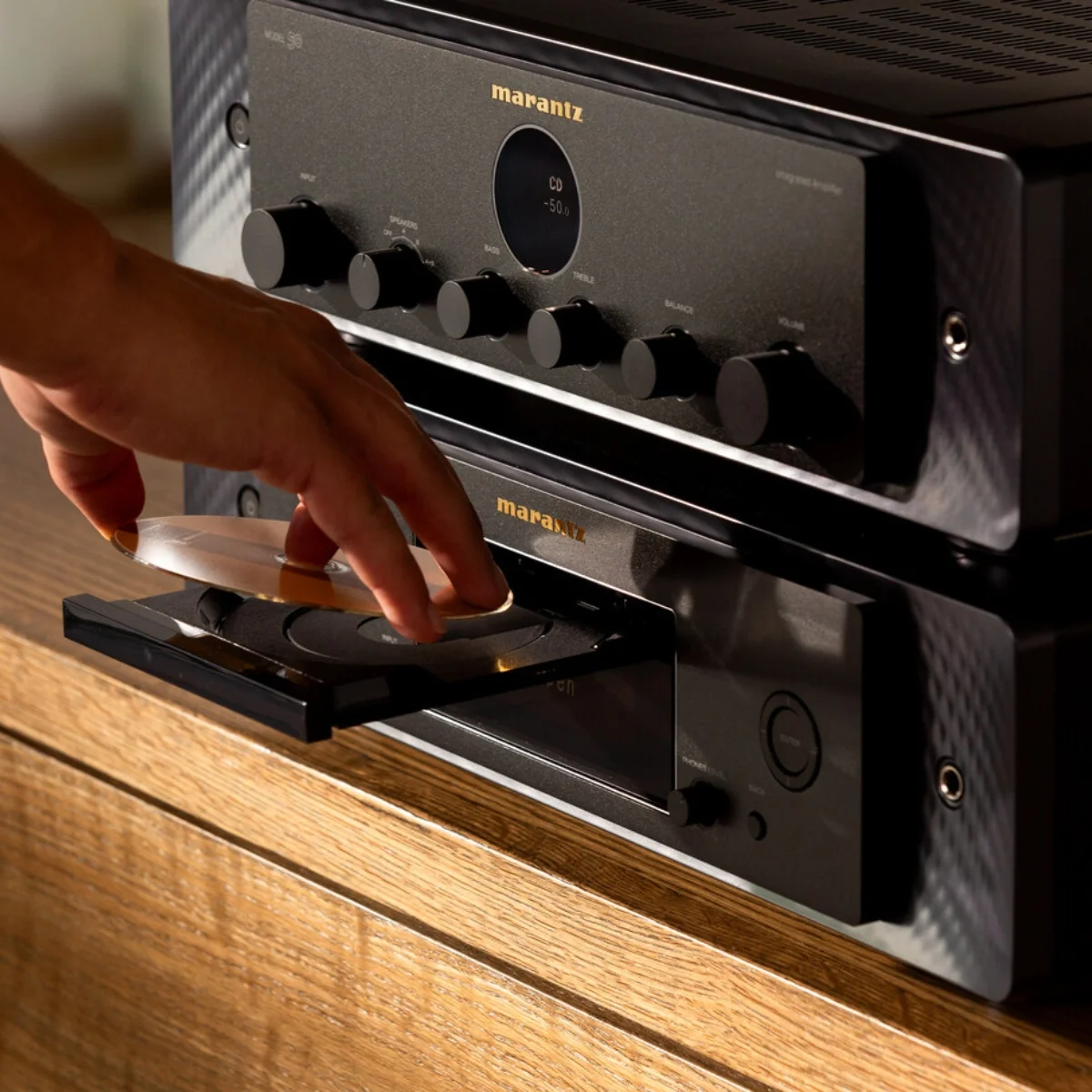
The increased demand for physical music is also driving changes in the audio hardware market. Audio manufacturers are rapidly launching new lineups of CD players and playback devices, improving consumer accessibility. Various global brands, including Marantz, Shanling, NAD, Michi, and Pro-Ject, have introduced new products to the market 1.
In particular, hardware investment is expanding across all price points, from high-end devices equipped with vacuum tubes to affordable units, making it easier for consumers visiting record stores to set up optimal listening environments 1. Playing physical media requires a series of ritualistic actions—turning on the player, taking out the record, and placing the needle—and this process offers a sense of immersion that allows those weary of digital immediacy to fully focus on music.
Steps Toward a Sustainable Music Ecosystem
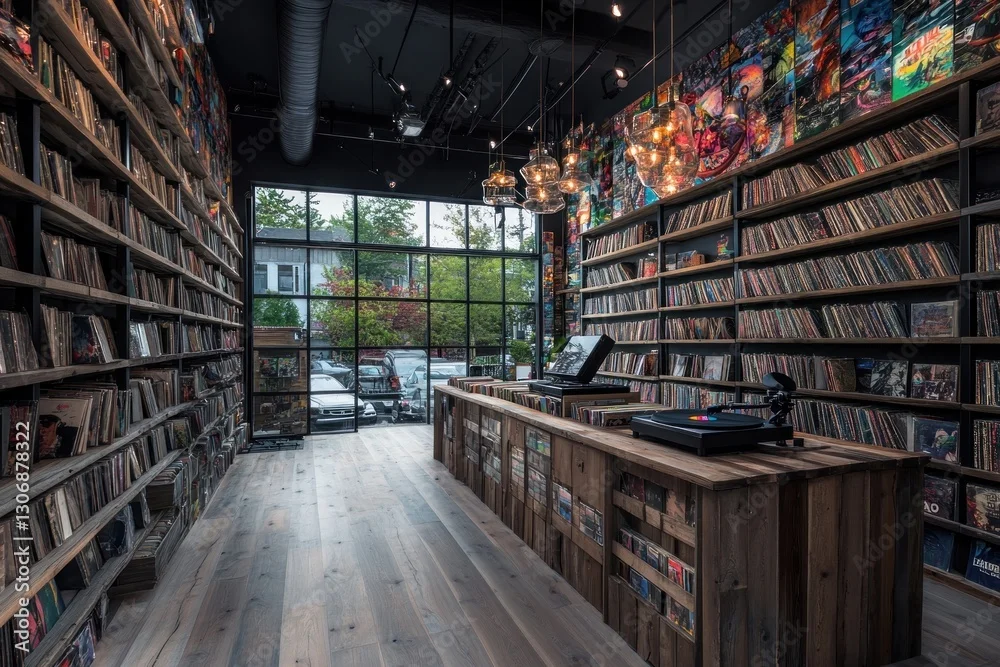
The reason record stores and the physical music market are beloved by younger generations in 2026 is not a regression to the past. It is because they have adopted a hybrid consumption model combining digital efficiency with the sense of ownership and aesthetics of analog 1.
While the physical music market has not reached the peak levels of the late 1990s, it is confirming its stable and sustainable "second life" through rebounds in major markets such as the United States, Australia, and the United Kingdom, coupled with manufacturers' technological investments 1. The music consumption ecosystem of 2026, where the physical warmth of analog coexists with the convenience of digital, appears set to establish itself as one of the significant ways people enjoy music and art.