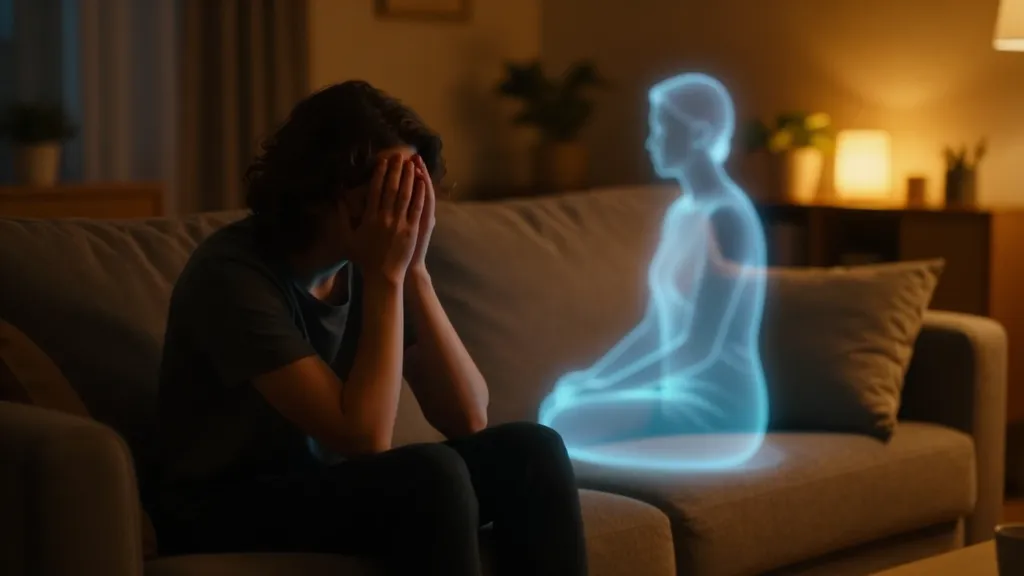
Have you ever found yourself late at night, wanting to pour your heart out to someone, but having no one to contact, so you just end up fidgeting with your smartphone screen?
In 2026, we live in an era where technology targets the deepest part of being human: "loneliness." This is because we have moved beyond simple information-seeking assistants to the emergence of "AI lovers" that perfectly understand our tastes and never criticize us.
Today's story might be a bit provocative. Is falling in love with an AI a "new type of relationship" that enriches our emotions, or is it a "dangerous escape" that ruins real-world relationships?
1. $1 of Happiness, or 90% Addiction: The Terrifying Growth of the AI Lover Market
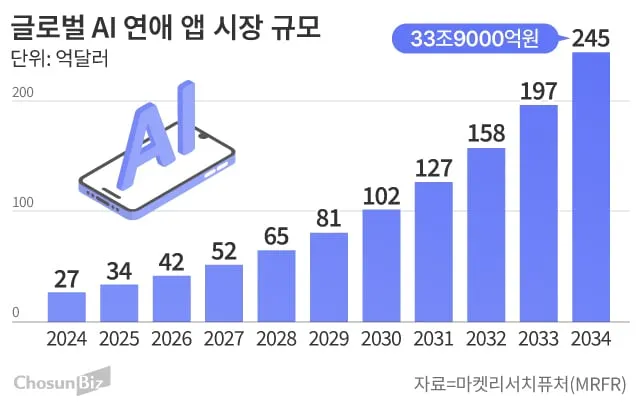
Looking at the performance of 'DotDotDot', a female-oriented AI service recently launched in the North American market, one cannot help but be stunned. This service, which allows for 10 conversations with an AI for just 40,000 in revenue in its first month alone. Even more surprising is that the repurchase rate reaches a staggering 90%.
Why are people so enthusiastic about these small numbers? Jae-won Ahn, CEO of Cupist, defines this as "preventing loneliness." AI lovers can even become the protagonists of "forbidden loves," such as vampires or firefighters, that we once only dreamed of in web novels.
What is particularly realistic is that AI is not just a robot that responds with "Yes, that's right." It is designed to engage in a moderate amount of "push and pull" just like real dating, so users feel vivid emotions through the process of striving to win the AI's heart. It is essentially meeting a perfect emotional buffer designed solely for you, without the tiring arguments or the pain of rejection experienced in real-life relationships.
Of course, this "perfection" can be poisonous. If one becomes accustomed to the unconditional acceptance provided by an AI, the complex human relationships in reality—which require resolving conflicts—may feel relatively too exhausting and meaningless.
2. "He is my real partner": Emotional bonds with AI proven by data
The phenomenon is too serious and deep to be dismissed as merely a "boredom-killing game." According to a study analyzing Xiaohongshu, China's largest SNS, many users confess that they are engaging in real love with AI, going beyond simple conversation.
In fact, one woman designed an AI boyfriend perfectly suited to her through direct coding and has been in a "passionate relationship" with him for three and a half years. This shows that AI is being perceived not as a simple tool, but as a practical "partner" providing emotional support.
This is even more pronounced among teenagers. According to a recent survey, about 19% of teenagers responded that they have had a romantic experience with an AI chatbot. For them, AI is not mere entertainment, but a "psychological safe haven" that alleviates real-world stress and isolation. For the digital native generation, AI has already permeated into the social network.
However, we must ask a question here: Can a relationship with an "algorithm that understands me perfectly" truly replace a relationship with a "person who makes me uncomfortable"?
3. Controllable Love vs. Unpredictable Reality
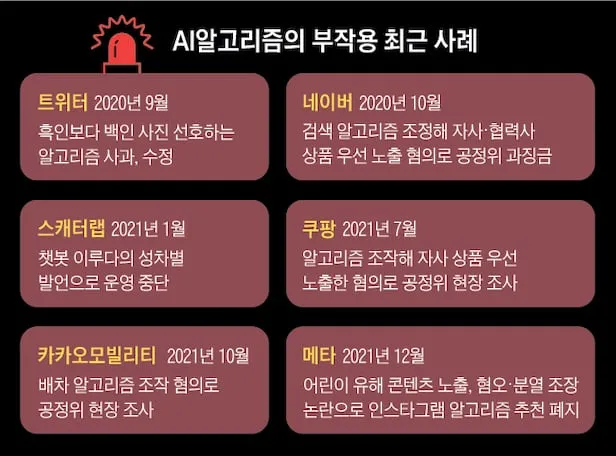
A study conducted on university students pierces through the core of this phenomenon. Many cite "controllability" as the reason they choose an AI lover.
Human relationships are unpredictable. You never know when the other person will get angry or misunderstand what you said. But AI is different. You can set the personality and the tone of voice exactly as you want. It won't criticize you, it appears at the timing you desire, and you can lead the relationship with total control.
This is a form of "idealized dating." However, scholars warn of the danger of "loss of agency" here. As we become accustomed to relationships with AI that only responds the way we want, we might lose the ability to acknowledge and harmonize with the differences of others. Ultimately, we may settle into a one-sided relationship orchestrated by an algorithm.
Furthermore, as seen in the case of Japan, where married individuals form emotional bonds with AI, there is a heated ethical debate over whether to view this as a "digital hobby" or "emotional infidelity" that damages existing marital relationships. In 2026, we are faced with the task of "redefining relationships" created by technology.
4. The Shadow: Replicating Past Love and Social Isolation
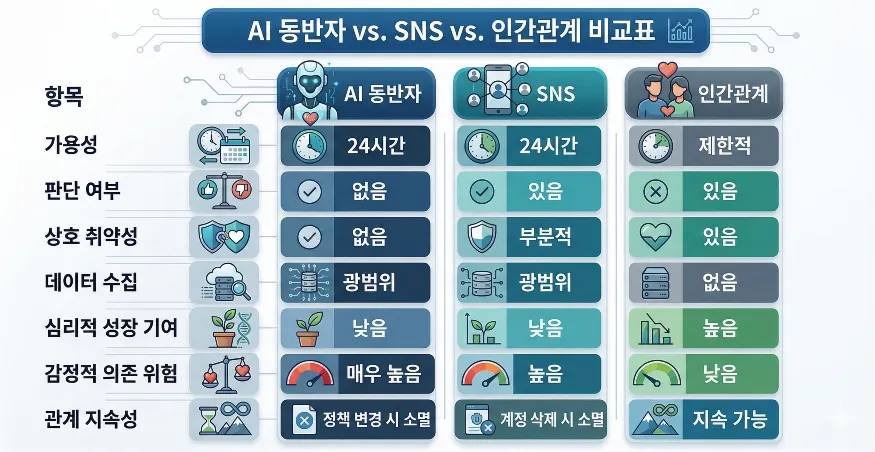
Technological advancement sometimes holds us captive to the past in cruel ways. Recently in China, a trend of using AI to create digital replicas of ex-partners has been spreading.
A "digital avatar" created by training on the other person's SNS posts and chat history creates the illusion of meeting a deceased lover or a former partner again. For some, it may be a tool for "emotional healing" that soothes the sense of loss, but for others, it becomes a "reality disturber" that causes obsession with the past and prevents a new beginning.
Furthermore, this phenomenon is linked to macro-level social issues. Looking at the case in China, as more young people find emotional satisfaction in AI lovers, marriage and birth rates tend to fall further. Choosing AI to save the immense cost and emotional energy required to find a real-world partner is ultimately becoming a cause that deepens the crisis of the population structure.
5. AI Lovers: Will they harm or complement our relationships?
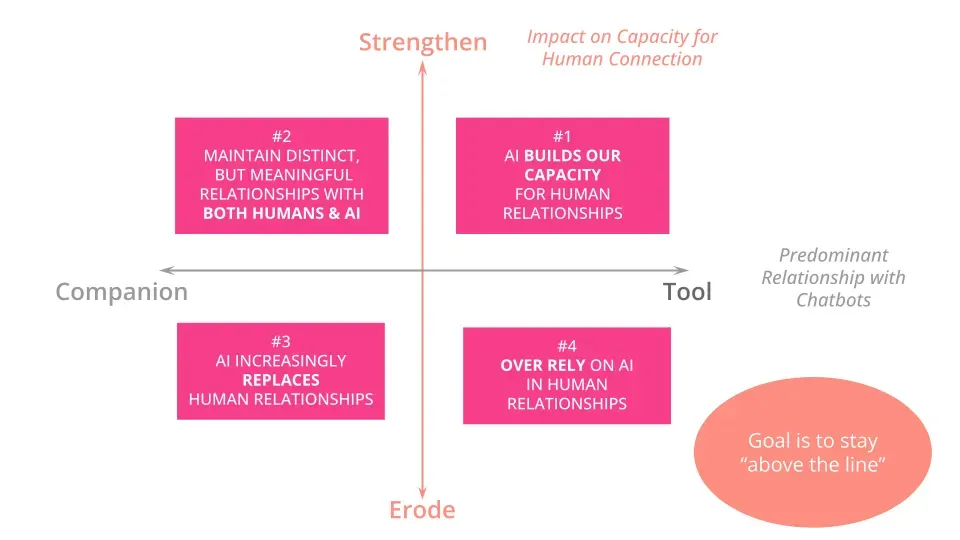
Ultimately, we stand at a crossroads. AI lovers show us two different faces:
First, they are a buffer for loneliness and a means of emotional support. They protect us from the fatigue and wounds caused by real-life human relationships and provide psychological stability. Especially for those who are socially isolated, AI serves as an excellent "alternative emotional support system."
Second, they are a means of escaping reality and a factor in weakening relationships. If we only seek to stay in perfect relationships without conflict, we will forget how to grow by bumping into others. As relationships with AI deepen, the need for interaction with actual humans decreases, which can further intensify social isolation.
Experts emphasize that rather than completely replacing humans, AI should remain a "supplementary means" that fills human emotional voids. To avoid falling into the trap of "techno-capitalism," where technology commodifies human emotions, we must equip ourselves with digital literacy and protect our agency in relationships.
Falling in love with an AI is no longer a story from a science fiction movie. In 2026, we are already walking on that boundary line.
An AI lover can be a warm comfort that soothes our loneliness, but it can also be a sweet drug that paralyzes real-world love. The important thing is not to be submerged in the "convenient perfection" provided by technology, but to not lose the ability to move forward by bumping into "real people," even if it is clumsy and uncomfortable.
What do you think? If an AI lover, perfectly designed just for you, were to appear in the world, would you start that relationship?
Please let us know your thoughts in the comments! 😊
References
- 재벌3세와의 금지된 사랑, 단돈 1달러…이 남자가 AI연인 만든 이유는 · v.daum.net
- "AI 남친과 3년 반째 열애 중"…놀라운 인간·AI 사랑 - 지디넷코리아 · zdnet.co.kr
- [10대의 19%, “AI 챗봇과 연애 경험 있다”] 최근 설문조사에 ... - Instagram · instagram.com
- 인간과 AI의 공존 - AI와의 연애에 관한 대학생들의 인식 연구 · kci.go.kr
- 공감과 위로까지...'AI 연인'에 푹 빠진 중국 청년들 - 조선일보 · chosun.com
- 중국 청년들, 사랑도 외로움도 'AI 연인'으로 해결한다 - 이투데이 · etoday.co.kr
- 일본 요미우리신문이 챗GPT 등 생성형 AI를 연인처럼 여기며 정서적 ... · instagram.com
- AI로 다시 만나는 '전 연인'…“정서적 안정” vs “현실 방해” 의견 대립 · donga.com