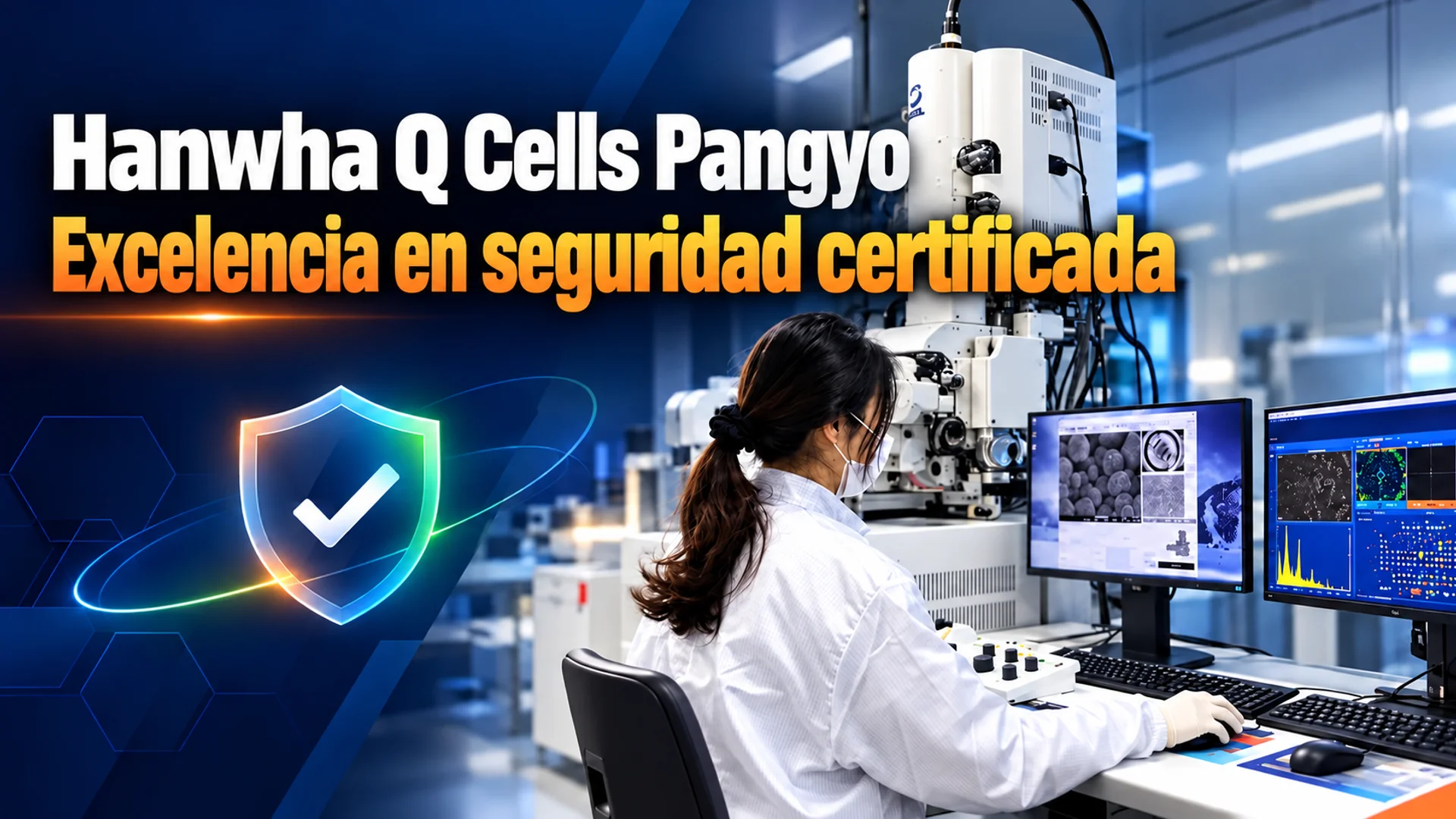
Hanwha Solutions’ Q Cells division (Hanwha Q CELLS) announced on October 26, 2026, that three laboratories within its Pangyo Center, the company’s renewable energy research center, have newly obtained certification as “Excellent Safety Management Laboratories” 12. This certification is a state-recognized system granted by the Ministry of Science and ICT after a comprehensive evaluation of the safety management system, activity levels, and the safety awareness of research personnel 12. Particularly, given that Hanwha Q CELLS’ Pangyo Center serves as a key hub for next-generation solar cell technologies, this certification is regarded as a significant achievement demonstrating that advanced technological research and the establishment of a safe research environment have been achieved simultaneously.
The Core of Perovskite Tandem Research: Three Laboratories at the Pangyo Center
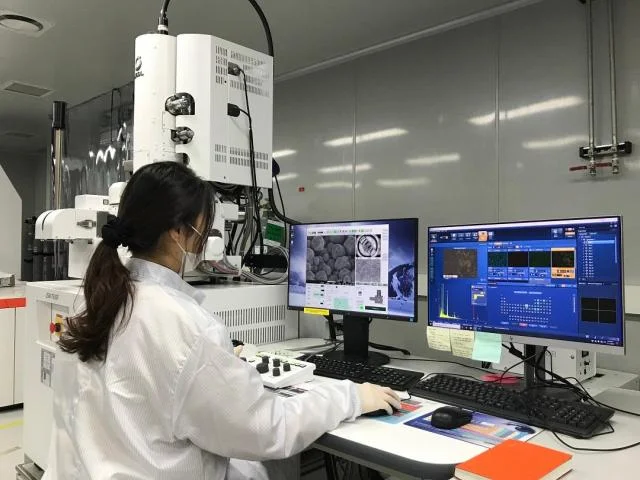
The three laboratories within Hanwha Q CELLS’ Pangyo Center that newly obtained certification are operating at the forefront of perovskite tandem research. These laboratories consist of Process Development Lab, Materials Development Lab, and Analysis Lab, conducting core research for the development of source technologies and the mass production of “perovskite tandem” cells, next-generation high-efficiency solar cells 2.
Solar cell technology is a highly technology-intensive field requiring subtle process differences and precise materials analysis. With this certification, Hanwha Q CELLS has officially been recognized for safely managing this advanced research environment. Based on this, Hanwha Q CELLS plans to further strengthen its R&D capabilities for mass-producing tandem solar cells to swiftly secure next-generation technological competitiveness 12. This case demonstrates that a safe research infrastructure serves as the foundation for developing high-value-added technologies.
Meaning and Evaluation Criteria of the “Excellent Safety Management Laboratory Certification System”
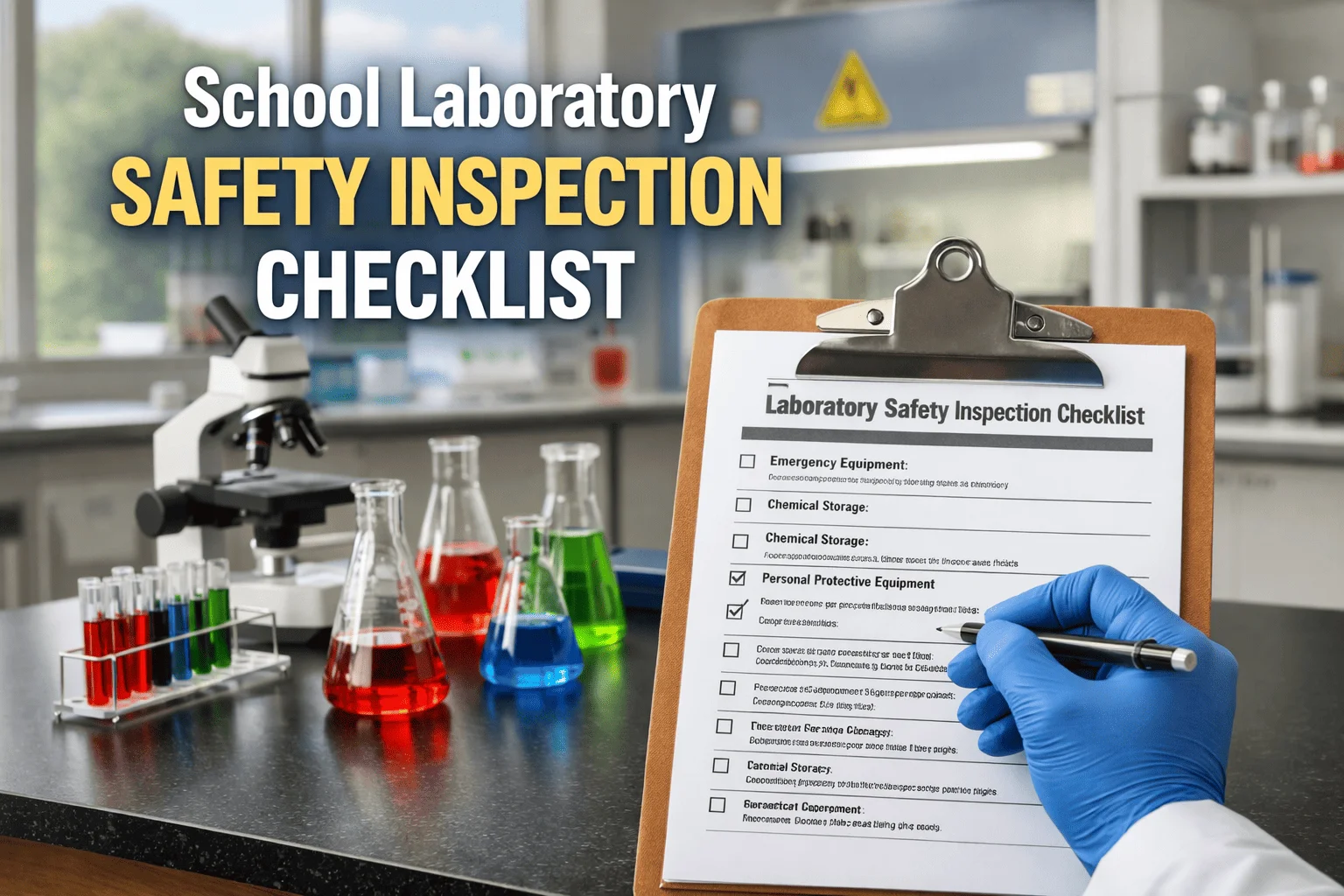
The “Excellent Safety Management Laboratory Certification System” is a program implemented by the Ministry of Science and ICT since 2016, with the aim of establishing and disseminating a culture of autonomous safety management 34. The system evaluates laboratories by rigorously assessing a total of 29 items across three areas: laboratory safety environment systems, actual activity levels, and safety awareness 5.
The preparation process undertaken by Hanwha Q CELLS to obtain this certification aligns with the evaluation criteria. Hanwha Q CELLS prepared the entire process, starting with systematic checks of its safety environment management system, followed by system construction and on-site implementation, ultimately leading to heightened safety awareness among members 12. In particular, strengthening the communication system between safety managers, laboratory directors, and research activity workers to ensure that the safety management system was organically linked to on-site operations received high praise during the evaluation process 12.
The certification process involves document and on-site evaluations, followed by final decisions through deliberation and resolution by the Certification Review Committee, with a validity period of two years requiring ongoing maintenance 6.
Expanding Certification Benefits and Widespread Adoption of the System
These efforts by Hanwha Q CELLS align with the recent trend of increasing awareness of the certification system among companies and universities. The program, which began with 78 laboratories in 2016, has seen a significant increase in participation, with 285 laboratories affiliated with 94 institutions obtaining certification in 2025 4.
As of 2026, obtaining certification provides bonus points when applying for the Ministry of Science and ICT’s laboratory safety environment improvement support projects, and certificates and plaques for excellent laboratories are awarded 34. In particular, starting in 2026, practical support and incentives have been further strengthened, with the introduction of individual category awards (5 points) recognizing individual contributors such as student researchers, breaking away from the previous group-centered recognition method, and an expansion in the scale of Minister’s commendations 34. For companies and research institutes, this means simultaneously proving a safe working environment and securing these institutional benefits.
Meanwhile, cases have been observed of universities independently allocating budgets to prepare for government certification in order to meet such national standards. For instance, a university’s Graduate Innovation Planning Team supports the pursuit of Ministry of Science and ICT certification under the name “Happy Lab 2.0” with a budget of approximately 80 million KRW, undertaking the creation of safety manuals and environment improvement projects 6. This trend demonstrates that laboratory safety is establishing itself as a core value, regardless of whether in industry or academia.
Balancing Corporate Safety Management and the R&D Environment
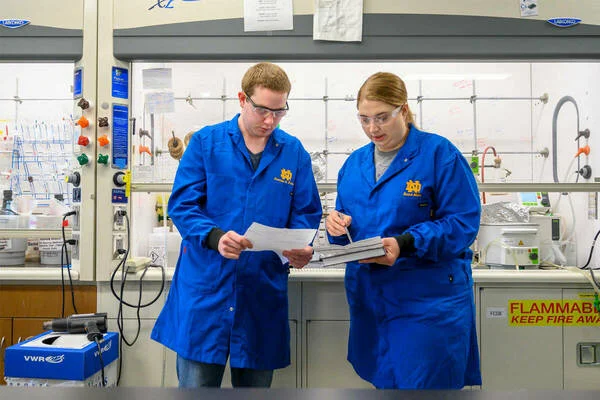
The Excellent Safety Management Laboratory certification proves to be a core infrastructure aimed not merely at compliance with regulations but also at maximizing research outcomes 2. For instance, Osstem Implant also secured this certification for three laboratories, including its Teaching Material Development Lab, contributing to clinical dentistry and teaching material development through multidimensional systems such as proactive prevention of risk factors and safety and health education for all employees 5.
A representative from Hanwha Q CELLS also stated that, using this certification acquisition as an opportunity, they plan to stably operate their safety environment management system while simultaneously disseminating best practices throughout the institute, thereby elevating the overall safety management level of the organization to the next stage 1. As seen in the case of the Pangyo Center, a frontier of advanced renewable energy research, Hanwha Q CELLS’ achievement is likely to remain a good model example for spreading a culture of autonomous safety management in corporate settings 12. This result once again proves that a safe research environment is key to supporting the sustainability of technological innovation.
Referencias
- 한화큐셀 판교 센터, '안전관리 우수연구실' 인증 획득 | 스타뉴스 · starnewskorea.com↩
- 한화큐셀 신재생에너지연구센터, 안전관리 우수연구실 인증 획득 · yna.co.kr↩
- 과기정통부, 2026년 안전관리 우수연구실 발굴 추진 | Daum | 데일리안 · v.daum.net↩
- 과기정통부, 안전관리 우수연구실 인증제 신청 접수 | 연합뉴스 · yna.co.kr↩
- 오스템임플란트, 과기부 '안전관리 우수연구실' 인증… 벌써 3곳째 · thepublic.kr↩
- 2026학년도 Khreative U+ PULP 행복한 연구실 인증제 2.0 (과기부...) · igkh.khu.ac.kr↩