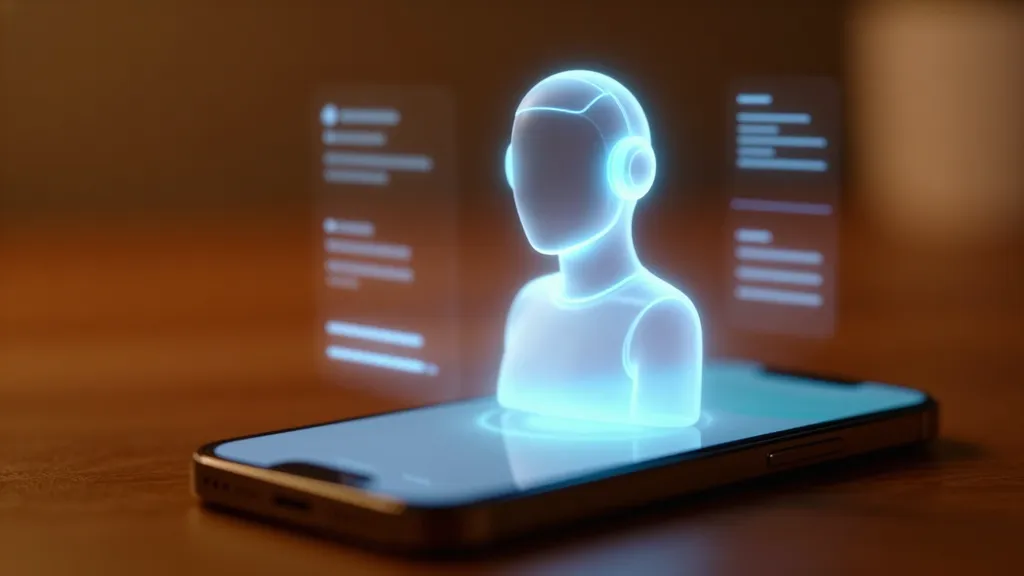
"Oh, right! Find those photos I took when I went to Australia last time."
This is a phrase I blurted out unconsciously while messaging a friend a little while ago. But then, something amazing happened. As soon as I touched the phone screen to type a reply, an icon saying 'Share Australia Trip Photos' magically appeared right above the keyboard. Even before I issued a command, it was as if my smartphone had read my mind and finished the preparations in advance.
In the past, I would have had to go through a long process like "Open the gallery app, set the date, select the photos..." but in 2026, we no longer perform such tedious labor. This is because the value of AI has shifted completely from "how smart it is (Performance)" to "how well it perceives my intentions (User Experience)."
Today, I want to share my experiences with the three most "sensible" AI assistants in 2026, based on my personal use over the past few months.
1. "Acts on its own without being told" – The quick-witted assistant of the Galaxy S26
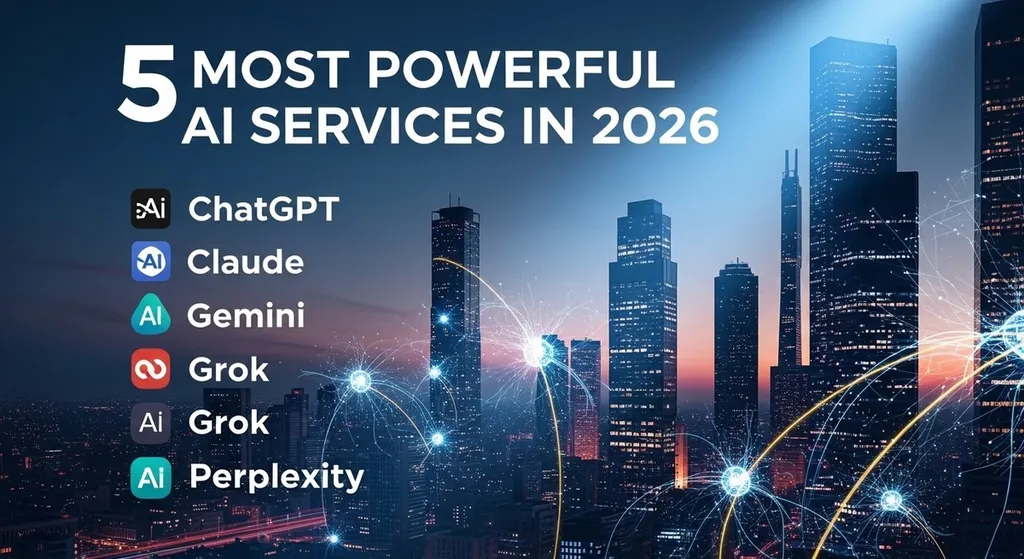
The first protagonist to shake up my daily life is the Galaxy S26, equipped with Samsung's Bixby. In fact, just a few years ago, Bixby was an assistant best known for saying, "I don't understand." However, the Bixby of 2026 has become a completely different entity.
The core of Bixby is its 'contextual understanding capability.' As in the experience I mentioned earlier, it analyzes the user's conversation patterns, past data, and the current real-time situation. Beyond simply executing commands, it shows the qualities of an autonomous agent that predicts what the user might want to do next.
For example, if I simply say, "I'm a bit tired today" on my way home from work, Bixby dims the smart lights in the house and prepares a playlist of the calm music I usually enjoy. No separate commands are required. This 'intuition'—capturing a user's subtle intentions and translating them into action—is the decisive reason why 2026 smartphones are competing through UX (User Experience) rather than just hardware performance.
Of course, there are downsides. Because it is so quick to pick up on cues, it sometimes interrupts the flow by displaying unwanted suggestions on the screen. How to control this 'excessive kindness' has become a task for the user.
2. "The pinnacle of all human knowledge" – ChatGPT, the creative companion
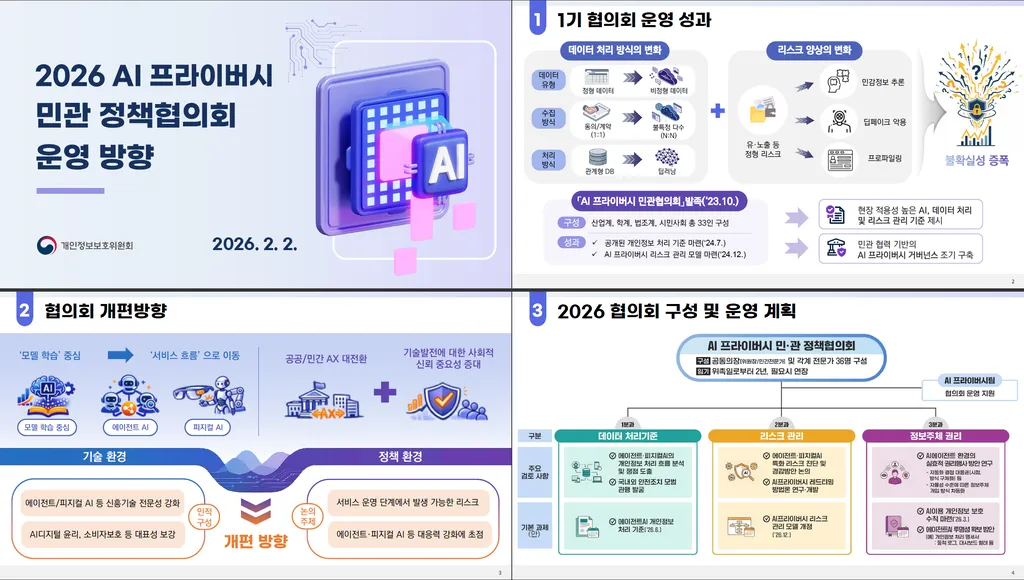
If Bixby is an assistant that takes care of my 'lifestyle,' ChatGPT is closer to a partner that expands my 'brain.' As of 2026, ChatGPT remains a powerful icon in the generative AI market.
When I use ChatGPT for work, I feel that this fellow is not just a simple search engine, but a 'scary smart assistant.' When drafting a proposal that requires complex logical reasoning or when I hit a wall in creative writing, ChatGPT shows unparalleled performance. In particular, when using the enterprise version, ChatGPT Enterprise, I can truly feel its high practical applicability due to data privacy protection and customized fine-tuning features.
An interesting point is that the 2026 version of ChatGPT goes beyond being a simple text deliverer and is organically connected with various third-party apps. However, it cannot be perfect in every aspect. Compared to models like Google's Gemini, which dominate the entire ecosystem, its 'native integration' within specific workflows is slightly lacking. Nevertheless, its status as a 'creative partner' remains overwhelming.
3. "The perfect assistant in my hand" – Gemini's ecosystem integration
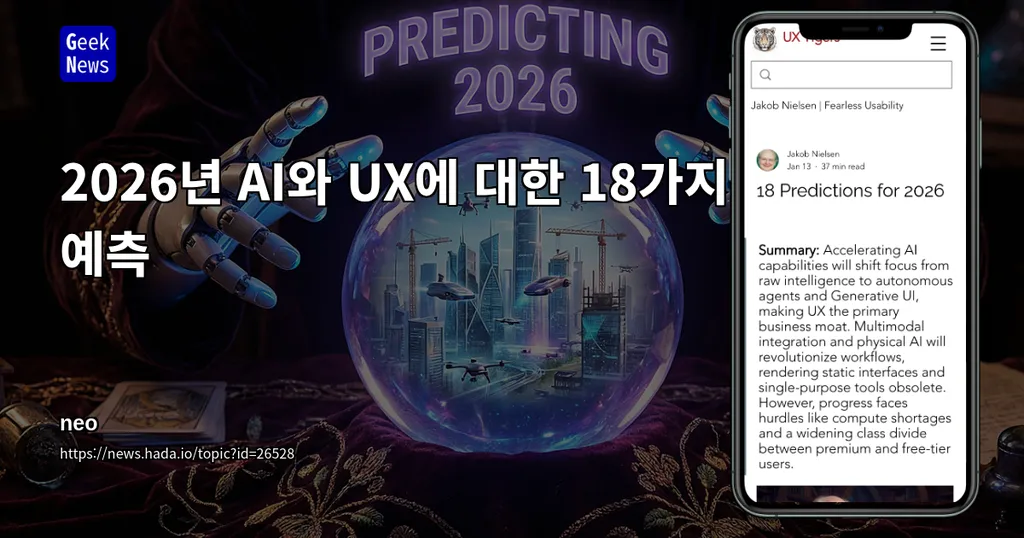
Finally, the indispensable protagonist is Google's Gemini. If you are a loyal customer of the Android ecosystem, Gemini is not an option, but a necessity.
Gemini's greatest weapon is its 'multimodal' capability and its seamless integration with Google services. Its ability to simultaneously understand and generate text, images, audio, and video is truly marvelous. When I use Google Workspace (Docs, Gmail, etc.) to analyze large amounts of data or summarize multiple documents, Gemini's processing speed and accuracy feel truly 'terrifying.'
In particular, thanks to its connection with Google Cloud, it provides an experience where the boundary between personal and professional life is blurred. When using the paid subscription model, Gemini Pro, it also provides ample Google storage capacity, making it very attractive in terms of cost-effectiveness.
However, one cannot shake the feeling that Gemini is confined within the massive ecosystem of Google. Its only limitation is that its powerful integration capabilities are somewhat limited in environments outside of the services provided by Google.
2026: What kind of AI should we live with?
The three AI assistants we have looked at each have different charms.
- If you want a quick-witted assistant that takes care of your daily life on its own? Galaxy S26 (Bixby)
- If you need a partner for complex thinking and creative tasks? ChatGPT
- If you want to enjoy seamless productivity within the Google ecosystem? Gemini
2026 is an 'era of convergence' where the gap in AI technology is narrowing. How many parameters a model has is no longer important. Now, the winner is decided by 'who understands my context better and naturally blends into my workflow.'
Software is no longer just a tool waiting for us to click. It has evolved into an 'autonomous system' that moves with us and acts before we speak. At this moment, when technology melts into the background of our lives, we are able to spend more time contemplating more essential values—namely, 'what our goals should be.'
What style of AI assistant are you currently using? Or what features, if added, would make your life more convenient?
Please share your thoughts in the comments! 😊
References
- 안드로이드용 AI 비서 완벽 가이드: 2026년 최고의 앱 비교 및 활용법 · skywork.ai
- 2026년 가장 강력한 AI서비스 5종 비교(활용, 실무, 가격 등 포함) · gptskorea.com
- “갤럭시 S26, 눈치 빠른 진짜 AI 비서”|동아일보 · donga.com
- 스마트폰 AI 경쟁 현황 : 네이버 블로그 · blog.naver.com
- 2026년 AI와 UX에 대한 18가지 예측 - GeekNews · news.hada.io
- 2026년 모바일 앱 UI/UX 디자인 트렌드: AI와 사용자 경험의 진화 · solo-maker.tistory.com