A shift is emerging in travel patterns that involved hopping off tour buses to snap photos at major attractions before moving on. This change is driven by the rise of "runtourism," which uses running as a medium to experience hidden alleys and daily life in local areas. One example that has translated this trend into a concrete product is Gyeonggi Province's tourism platform, "RUN GYEONGGI," launched on August 6, 2026.
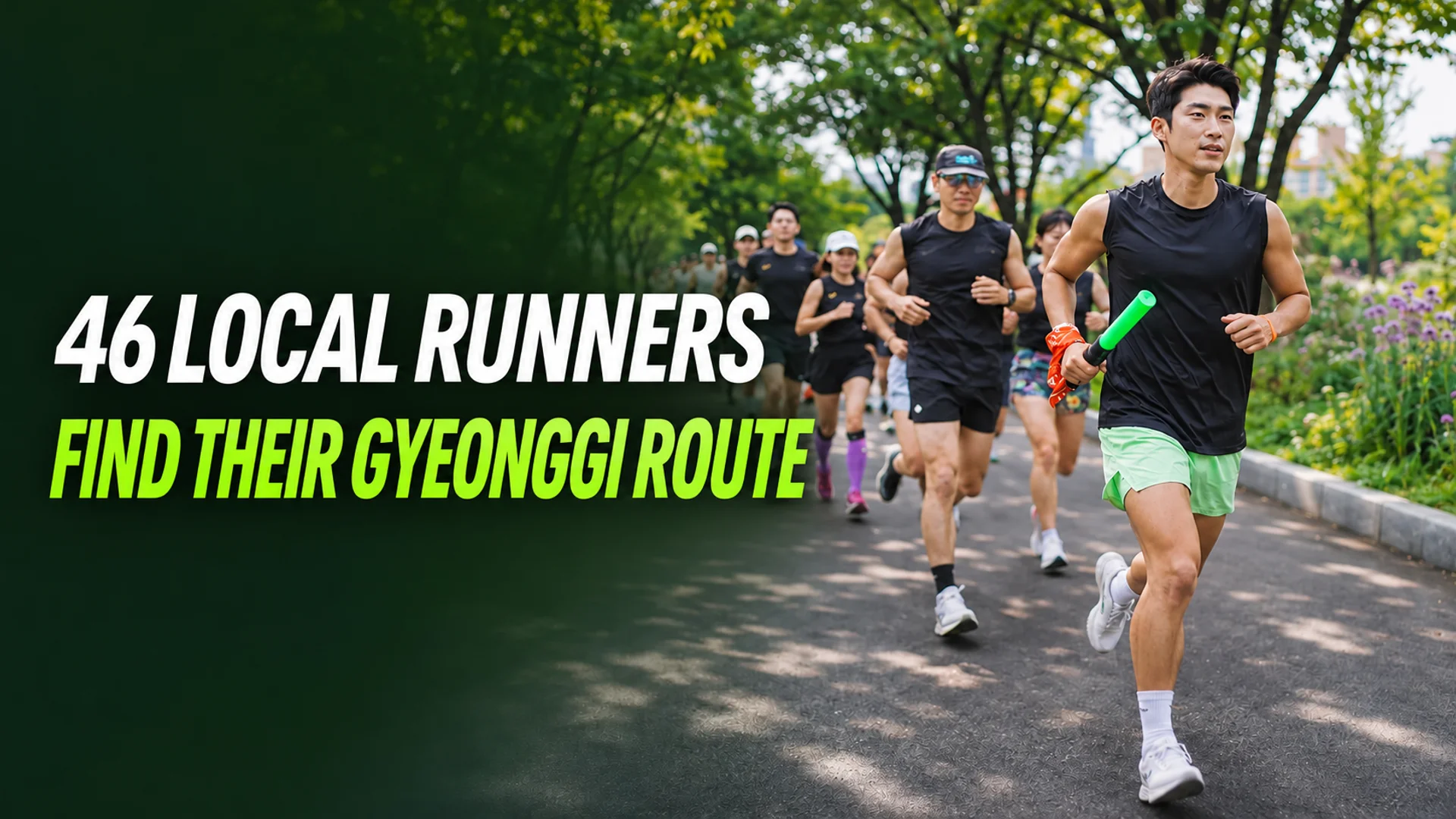
The defining feature of RUN GYEONGGI is that 46 running enthusiasts with extensive knowledge of their local areas—not experts—directly discover and guide courses. We will examine in detail how travel content planned from the speed and eye level of a runner, rather than a viewpoint focused on landmarks, is being designed and operated by looking at the concept of runtourism and the operational structure of RUN GYEONGGI.
Runtourism: The Scenery Revealed by a Runner's Perspective
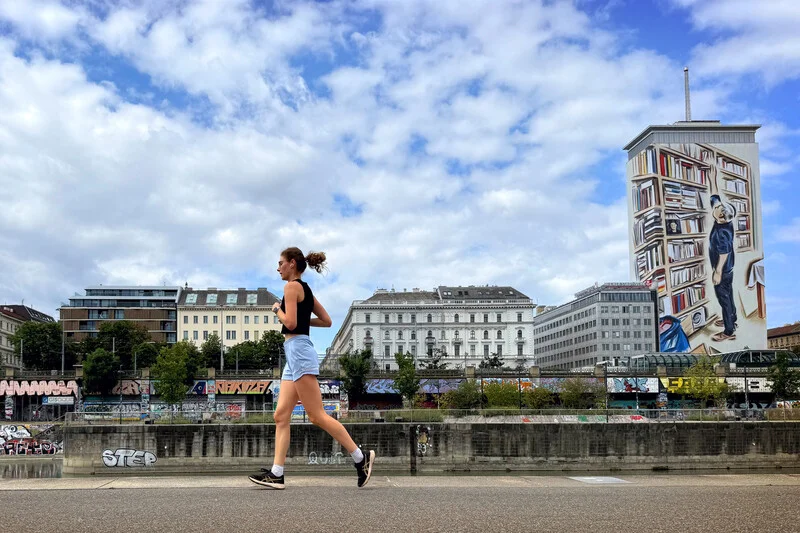
It is difficult to understand runtourism simply as "jogging while traveling." According to Park Mi-hyang of The Hankyoreh (August 17, 2025), runtourism is defined as a proactive new style of travel that fully experiences the inner fabric of a region, including local culture and residents' lives 1. The appeal of this approach lies in the unexpected moments and scenes travelers encounter.
The scenery Park witnessed while running a course in Vienna, Austria, early in the morning illustrates this well. The Ringstraße, a circular road encircling the center of Vienna lined with historical architecture such as museums, art galleries, and the opera house, is considered a course accessible even to beginners 1. On the first day along the Ringstraße, she met a florist busily arranging flowers in front of a park; the next day by the Donaukanal, she encountered a cook opening a shop, graffiti on building walls, and an eco-friendly playground made of old wood and earth 1. The daily life of locals and the city's reverse side, which could never be observed at a standstill through a tour bus window, were clearly revealed through the speed of running.
This travel demand is confirmed by actual data. According to the Korea Tourism Data Lab, domestic SNS mentions related to "runtourism" increased by 598% over the past four years 1. A survey of 1,000 Korean runners by global travel app Skyscanner found that 55% plan runtourism to participate in marathons or run at travel destinations 1. The biggest concern they cited was "selecting locations" 1. This indicates that a desire exists in the travel market: people want to have meaningful experiences through running but are struggling with where and how to run.
Regional Customized Courses Opened by "Gyeonggi Pacer 31"
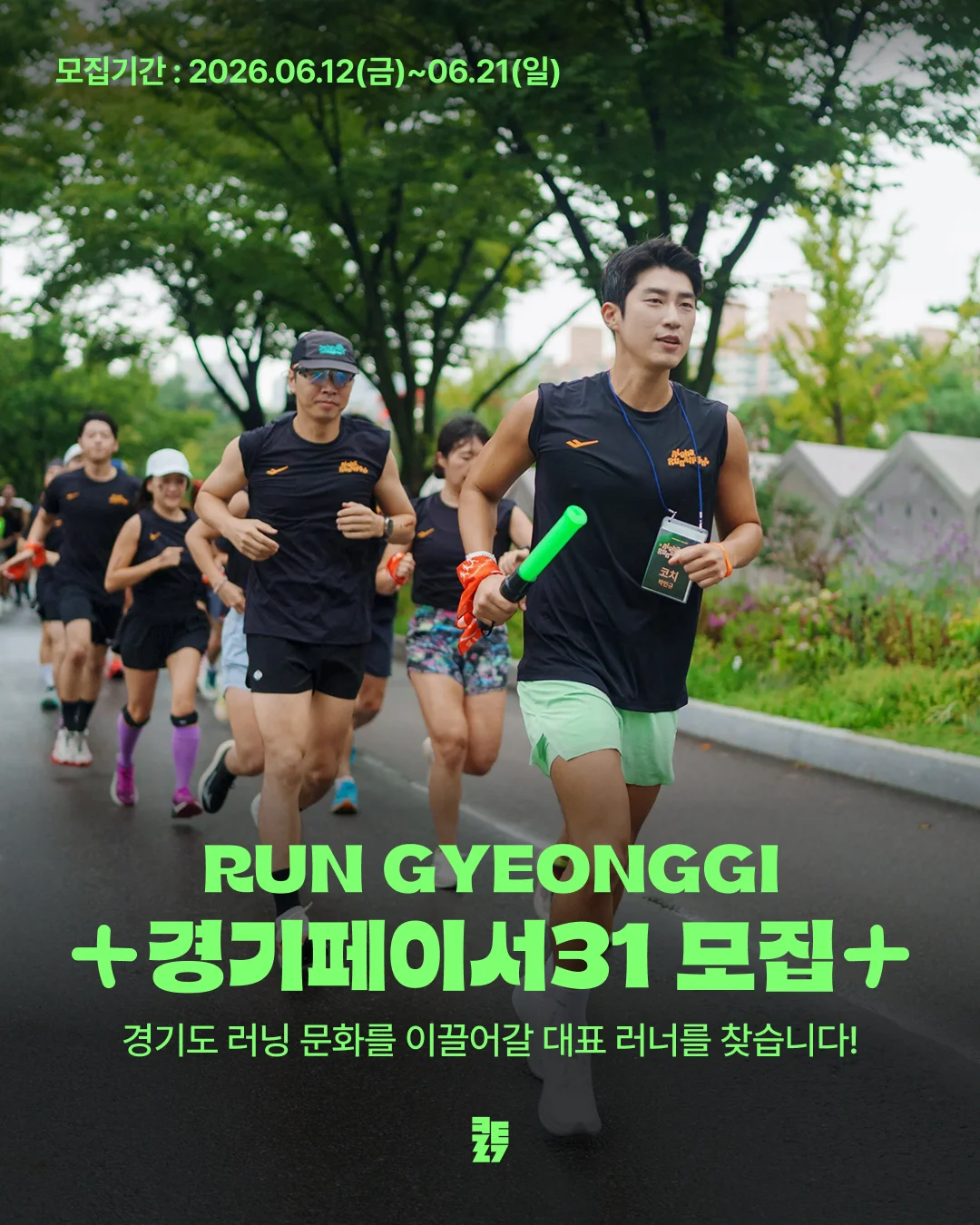
While runtourism demand is clear, local governments and private sectors have begun collaborating to resolve the consumer challenge of finding optimal places. Gyeonggi Province and the Gyeonggi Tourism Organization partnered with Moon Academy, operator of the running travel platform "CLTOO," to plan "RUN GYEONGGI," and official services began on August 6, 2026, through a dedicated website 2.
The core element of this platform is the entity responsible for course discovery. Gyeonggi Province selected 46 running enthusiasts familiar with local conditions from the 31 cities and counties in the province to serve as regional guides known as "Gyeonggi Pacer 31" 2. "Pacer" refers to those who maintain another's pace in running; in RUN GYEONGGI, runners who know their own neighborhoods best take on this role 2.
The Gyeonggi Pacers personally run along riverbanks, alleys, parks, and hidden spots in their active regions to propose them as travel courses 2. Whereas existing tourism products focused on movement between famous tourist sites, RUN GYEONGGI shifts the travel perspective to alleys and everyday spaces 2. Course and activity information proposed and operated by the Gyeonggi Pacers is continuously accumulated on the CLTOO RUN GYEONGGI platform 2. This accumulated course information serves as a foundation for developing diverse running tourism products throughout Gyeonggi Province, creating a structure that allows regional customized running travel to expand 2.
From Coastal Courses to Lake Trail Running
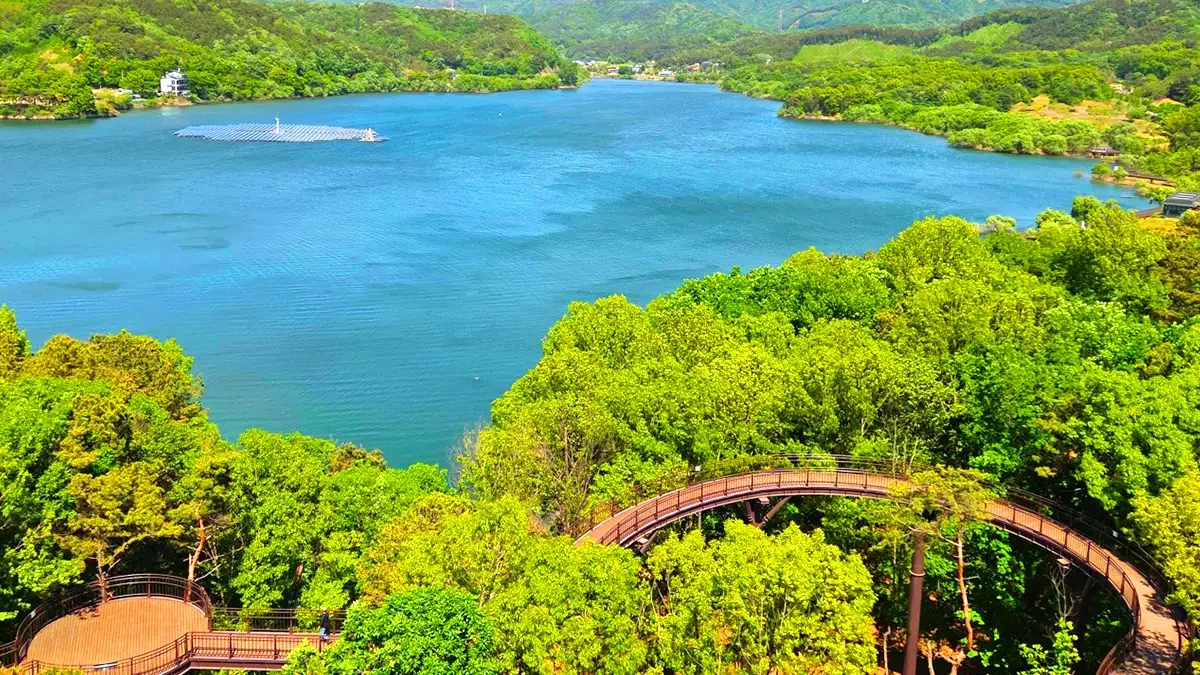
The first actual program of RUN GYEONGGI was held for two days starting August 22, 2026, in the Geoheukseom (Turtle Island) and Wave Park area of Siheung City 3. It is a one-night, two-day coastal course product recruiting 25 participants, operated in a way that combines running with marine tourism 3, 2. In September, a trail running program for female participants along the trail around Geumgwang Lake in Anseong City is scheduled 2. Additional products linking local natural landscapes and food in regions such as Suwon, Yangpyeong, and Hanam are set to be released 2.
A total of 10 courses, ranging from day-trip products to one-night, two-day coastal or lakeside runs, will be operated sequentially 3, 2.
Meanwhile, the economic impact of large-scale running events on regional economies is significant. According to a report by Báo Văn Hóa (under Vietnam's Ministry of Culture, Sports and Tourism) on March 13, 2026, the 2025 New York Marathon is expected to generate approximately 500 per day during the event period 4. Even without grand international events, if small-scale products like RUN GYEONGGI, which traverse alleys and riverbanks, naturally connect to local cafes or restaurants, small-scale consumption and repeat visits can occur.
Runtourism goes beyond the simple act of putting on sneakers and going out to a travel destination. The core lies in runners who run the neighborhood every day designing courses to bring travelers into the daily life and inner fabric of that area. The small-scale initial operations launched in August and September 2026 are an early stage that gauges how widely this travel style can spread.
References
- ‘달리기+여행’ 런트립 세계적 인기…새 러닝 동지들과 ‘땀맹’ · hani.co.kr↩
- 경기도-경기관광공사, 달리기 관광 플랫폼 '런경기' 6일 개시 - 중앙이코노미뉴스 · joongangenews.com↩
- 관광 플랫폼 ‘런경기’, 시흥 거북섬서 첫 1박2일 런트립 진행 · shjn.co.kr↩
- 마라톤 열풍과 스포츠 경제 발전의 과제. · vietnam.vn↩