
During a pleasant trip abroad, how would you feel if the insulin pump that supports your body suddenly stopped working?
The fear felt at a romantic Parisian sidewalk cafe or an emerald-colored Maldivian beach would be beyond imagination. For people with Type 1 diabetes, an insulin pump is not just a medical device, but a life support device.
This article is a guide written from the perspective of a 10-year veteran, designed to help you prepare for the worst-case scenarios you might encounter while traveling and to explain how to respond calmly if such an event actually occurs.
1. An Unannounced Disaster: The Reality When the Pump Stops
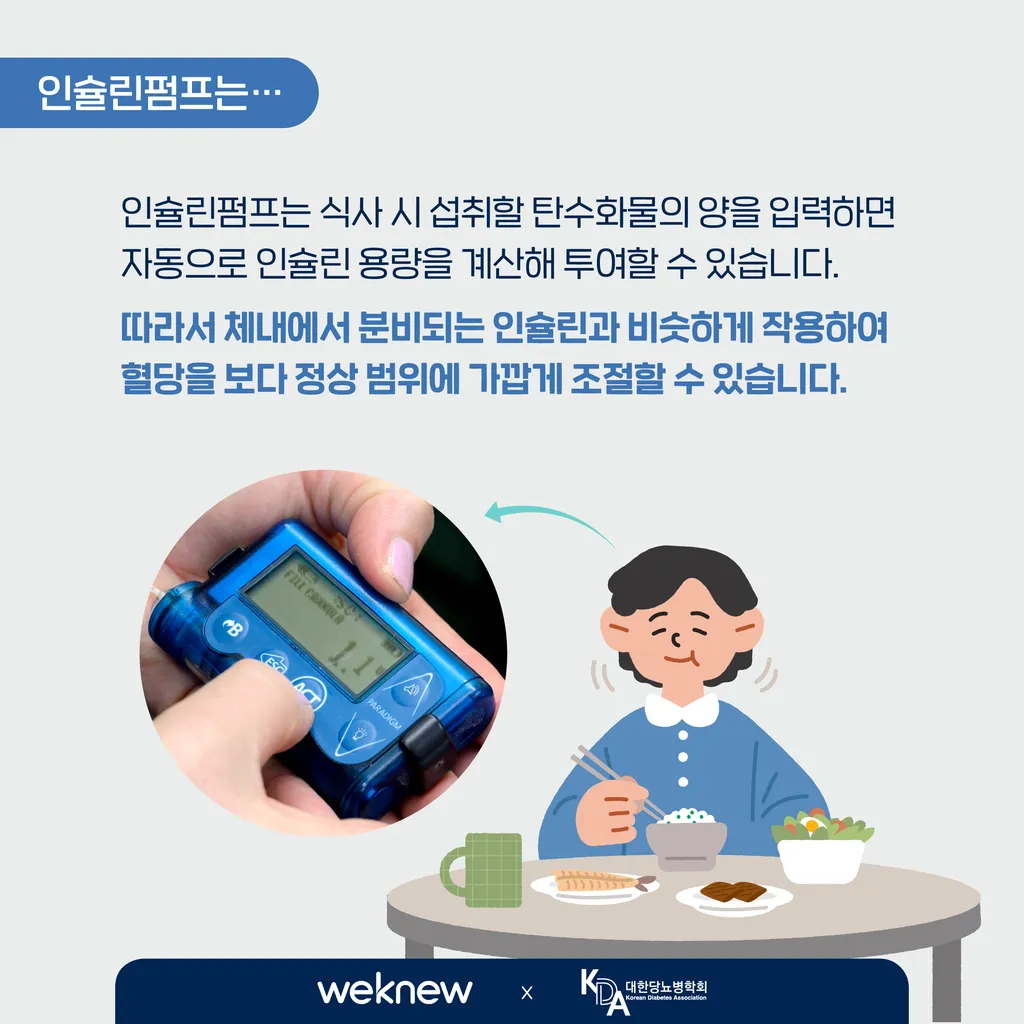
A recent case that became a hot topic in online communities serves as a major warning to us. A user whose insulin pump malfunctioned during a vacation suffered great difficulty because they could not receive immediate support.
This incident went beyond the simple inconvenience of "the machine broke"; it clearly exposed the loopholes in medical device support systems. There was intense debate over how customer centers should respond in urgent situations and what rights a patient can demand.
In reality, if a pump breaks during a trip, the situation deteriorates rapidly. Your mind is likely to go blank as you wonder where the local hospital is, whether you have enough insulin, and how to inject insulin immediately. A pump failure is not merely a mechanical issue; it is a serious matter that can lead directly to an Emergency Room (ER) visit.
Therefore, we must transform the anxiety of "What if it breaks?" into the confidence of "Even if it breaks, I am prepared."
2. Perfect Pre-travel Essentials to Prevent "It Won't Happen to Me"
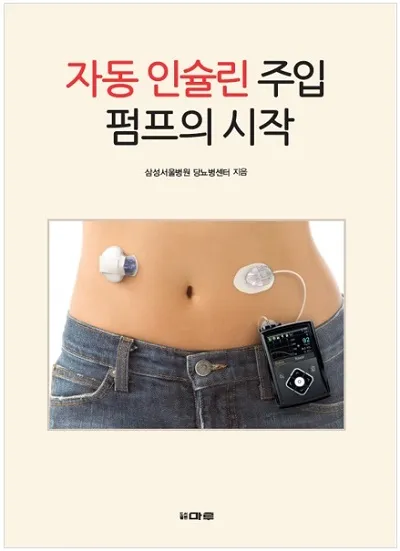
The success of a trip is determined from the moment you pack your bags. A Type 1 diabetic's suitcase must be completely different from that of an ordinary traveler.
Essential Documents and Identification
The first thing you must pack is an English medical certificate (Doctor's note). It must include detailed information about the disease, the types and dosages of insulin used, and emergency contact information. This plays a decisive role not only in passing through security checkpoints but also in receiving emergency treatment at local hospitals. Additionally, always wear a medical ID bracelet or necklace so you can inform others that you are a diabetic anywhere, anytime.
The 'Double Rule' for Insulin and Supplies
During travel, activity levels may increase or meals may become irregular. Therefore, the rule is to prepare 2 to 3 times your usual amount of insulin.
There is a precaution here: insulin is a protein-based product and is extremely sensitive to temperature. It must be maintained at an appropriate temperature between 2–8°C, and if you are traveling to a hot region, portable cooling packs or insulated coolers are essential.
Never pack insulin in your checked bag. Due to extreme temperature fluctuations in the cargo hold or the risk of lost luggage, insulin must always be carried on in your cabin bag.
Backup Plan: 'Plan B' for When the Pump Dies
This is the key point many people miss. Major manufacturers, such as Tandem, even operate Loaner Programs for travelers.
It is wise to contact the manufacturer at least two weeks before your trip to notify them that you are "going on vacation" and to request a backup device in case of an emergency. This is not an option, but a mandatory medical safety measure to prevent an ER visit.
3. What if the Pump Breaks? An 'Action Plan' to Execute Calmly
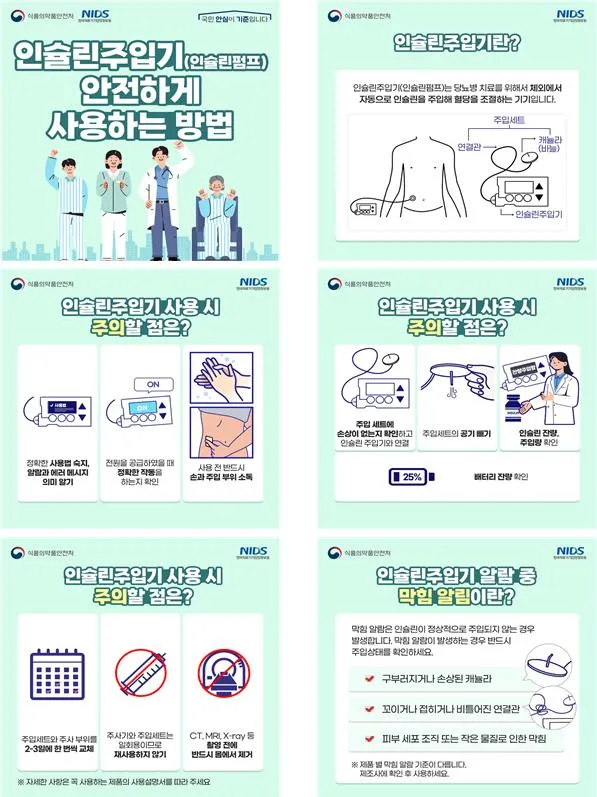
If your pump truly stops working at your travel destination, do not panic and start Googling immediately. You must prioritize.
Step 1: Check Blood Glucose and Transition to Injections (Pump Vacation)
The moment the pump stops, your body is in a state where the basal insulin supply is cut off. You must measure your blood glucose immediately and prepare insulin injections (pen or syringe) to take over the role of the pump.
Experts call this a 'Pump Vacation'. According to guidelines from Alberta Children's Hospital, when transitioning from a pump to injections, you must accurately calculate your usual total daily insulin dose and basal insulin ratio. If this calculation is wrong, the risk of hypoglycemia or hyperglycemia increases, so you must learn the calculation method in advance or follow your medical provider's guidance.
Step 2: Request Manufacturer and Medical Support
If you have not pre-applied for a backup pump, contact the manufacturer's customer support center immediately. In doing so, rather than simply saying "It's not working," clearly communicate your situation: "I am currently traveling abroad, and I desperately need a backup device."
If the manufacturer's support is insufficient, finding a local hospital is the fastest and safest way. This is when your prepared English medical certificate will prove its worth.
Step 3: Utilize Local Embassies and Insurance Companies
If obtaining medication becomes absolutely impossible, you can request assistance from your embassy. While an embassy cannot directly supply medication, they can provide indirect support, such as connecting you to reliable local hospitals or assisting in communication with your insurance company.
4. Essential 'Tips' for Air Travel

Pump users also need to be careful during the process of boarding a plane.
X-ray machines at airport security checkpoints can damage pumps and CGMs (Continuous Glucose Monitors). Therefore, show your device to the security officer and confidently request to use a hand-held wand instead of X-rays or to undergo a separate screening process. This is a patient's right.
Additionally, since pressure can build up inside the insulin cartridge due to changes in atmospheric pressure, you must pay attention to management before and after takeoff. It is highly recommended to consult with your doctor in advance to plan insulin dosage adjustments according to time zone changes.
5. Summary and Conclusion
Today, we have taken a deep look into the crisis of insulin pump failure during travel and how to handle it. There are only three key points to remember:
- Thorough Preparation: Ensure you have an English medical certificate, 2–3 times the amount of insulin, and check the manufacturer's backup pump loaner service.
- Immediate Transition Ability: If the pump stops, do not panic; quickly transition to the pre-calculated injection therapy (Pump Vacation).
- Safe Storage and Transport: Carry insulin in your cabin bag and avoid using X-rays at airport security.
Travel is a precious moment in life. Do not let a disease interfere with those moments. Thorough planning is the most powerful tool to turn fear into confidence.
What are your next travel plans? If there is anything you are most worried about during the preparation process, please share it in the comments!
References
- 1형 당뇨환자도 해외에 간다. 해외여행 A 부터 Z 까지 EP.66 - YouTube · youtube.com
- What it's like to have your insulin pump die while you're on vacation · news.ycombinator.com
- Taking a Break from Your Insulin Pump - Waltzing the Dragon · waltzingthedragon.ca
- Managing Your Diabetes While Traveling · chop.edu
- Traveling With A Diabetes Device - MiniMed · minimed.com